
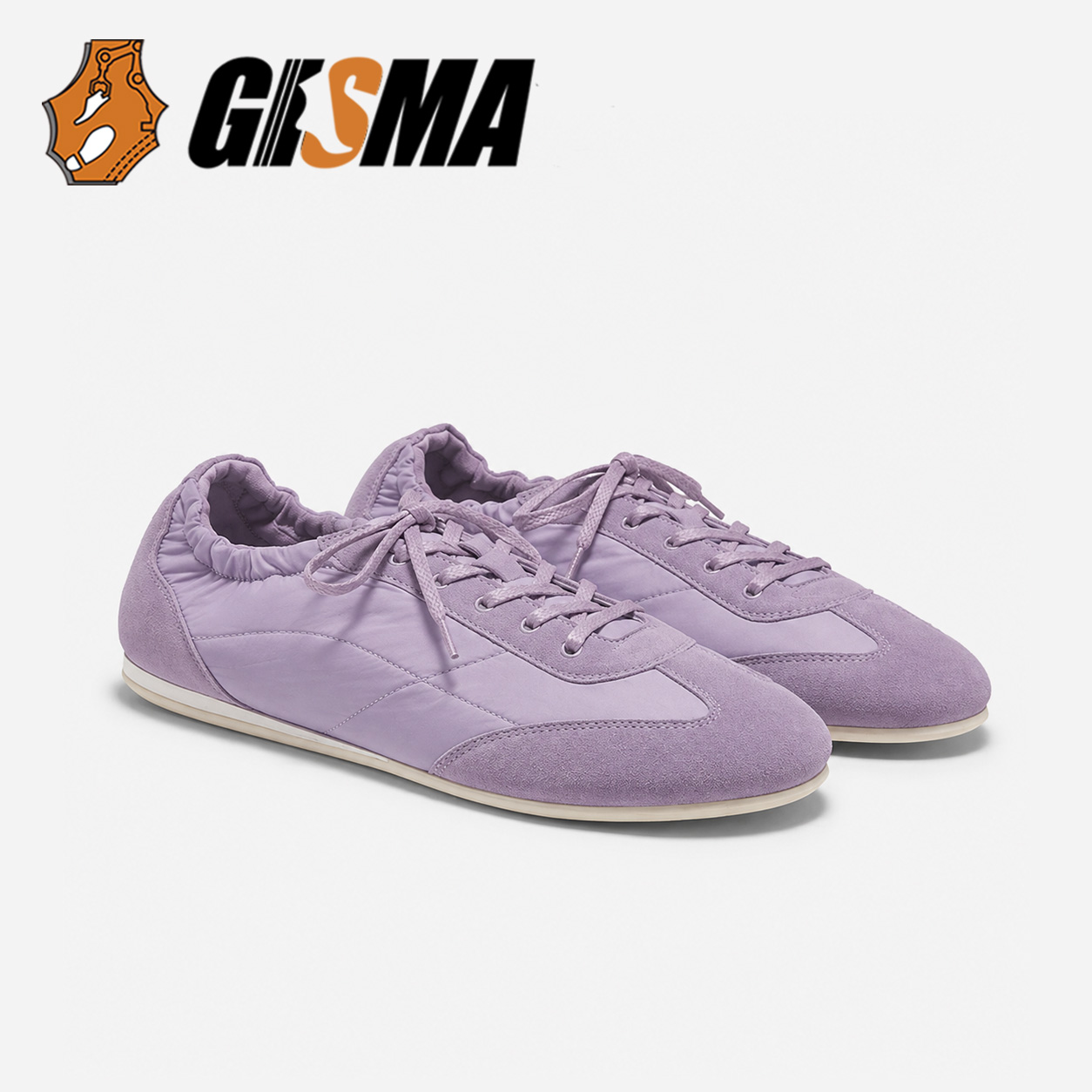
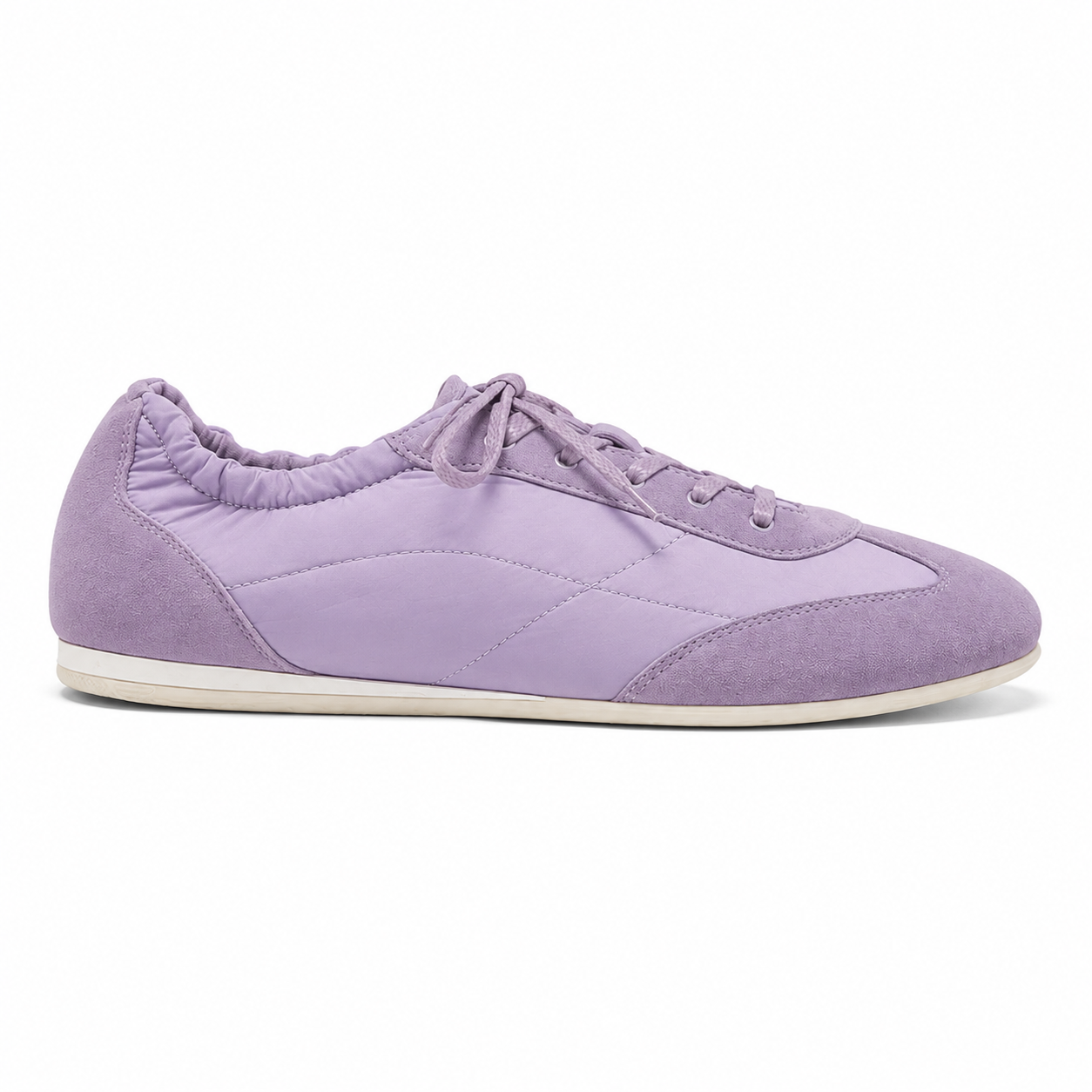
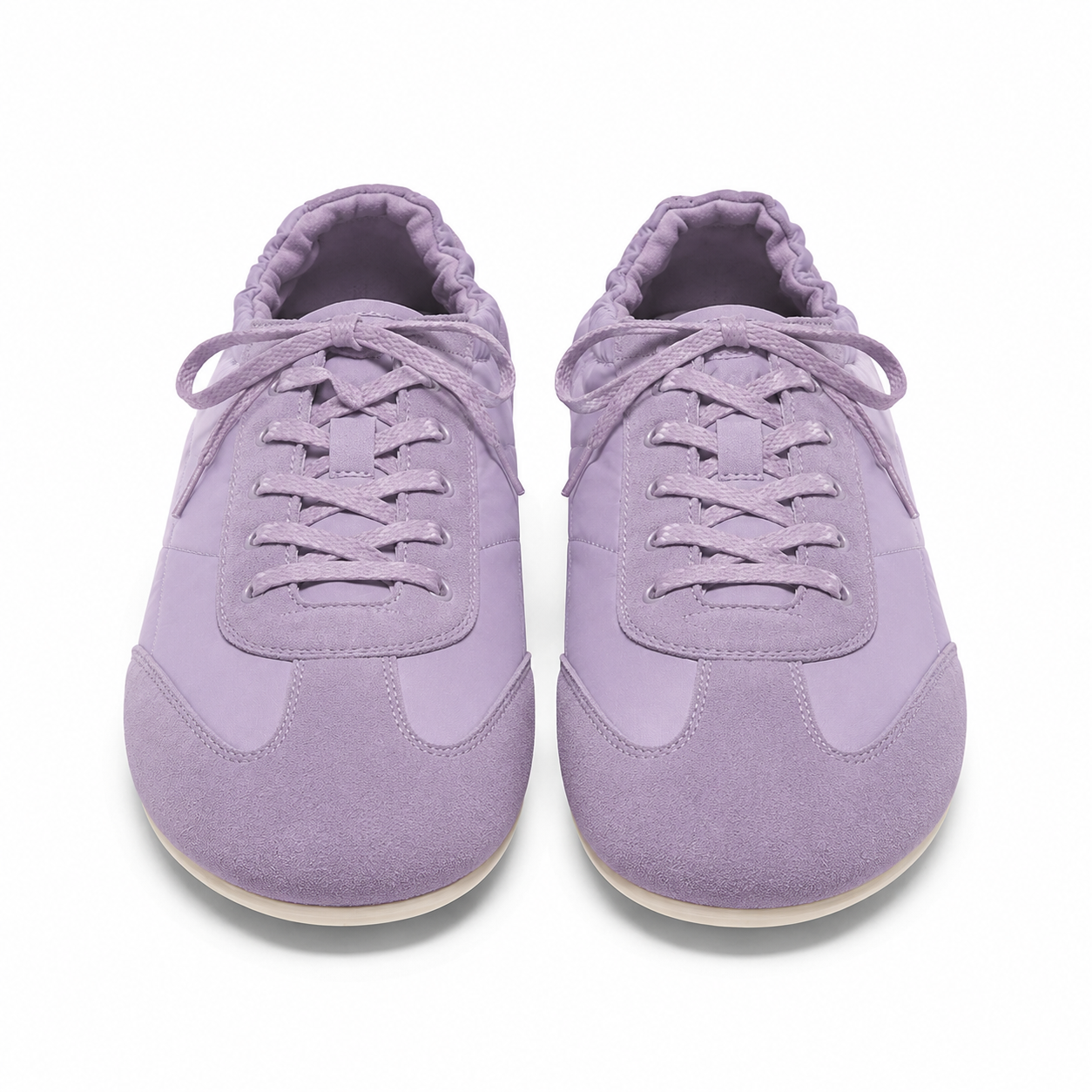
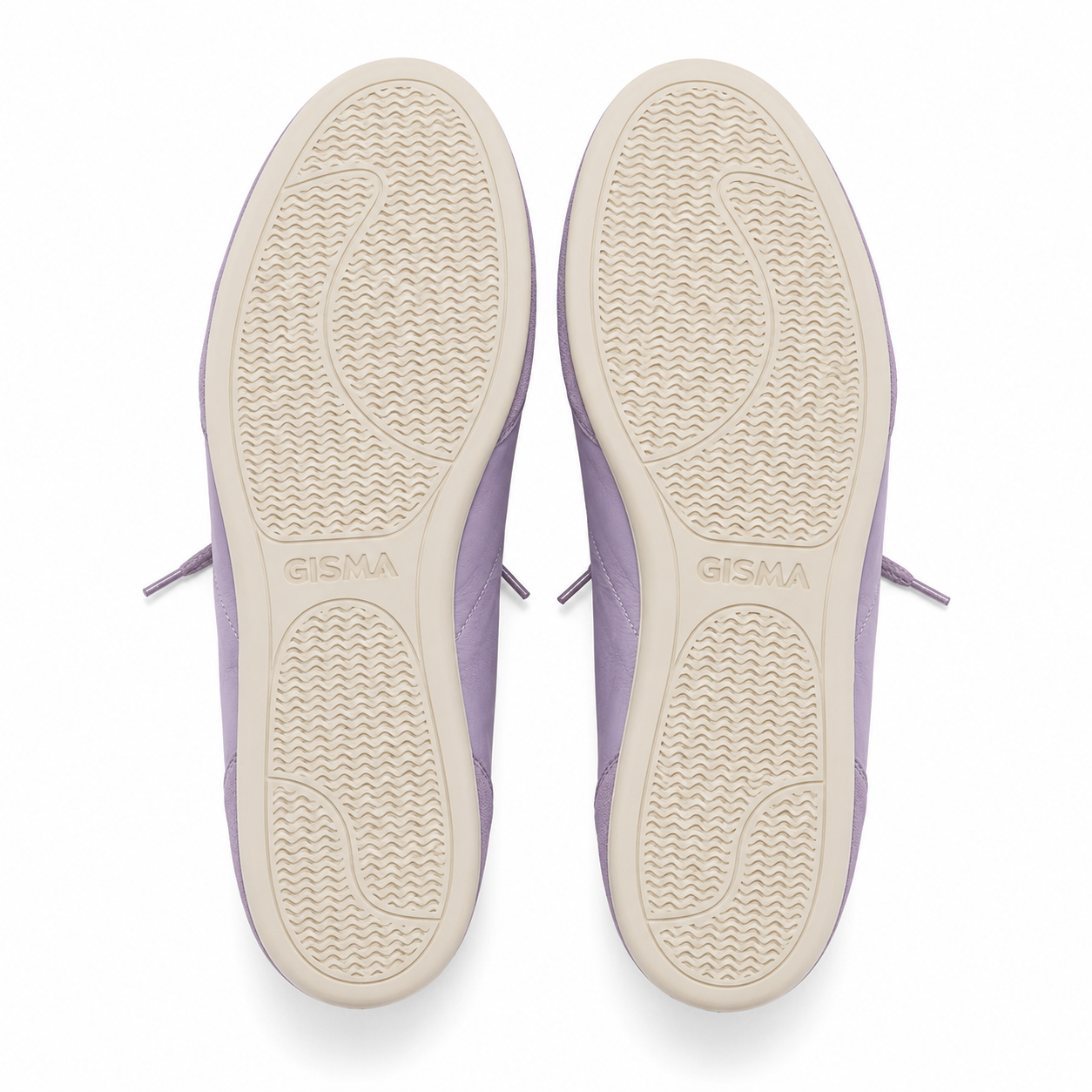
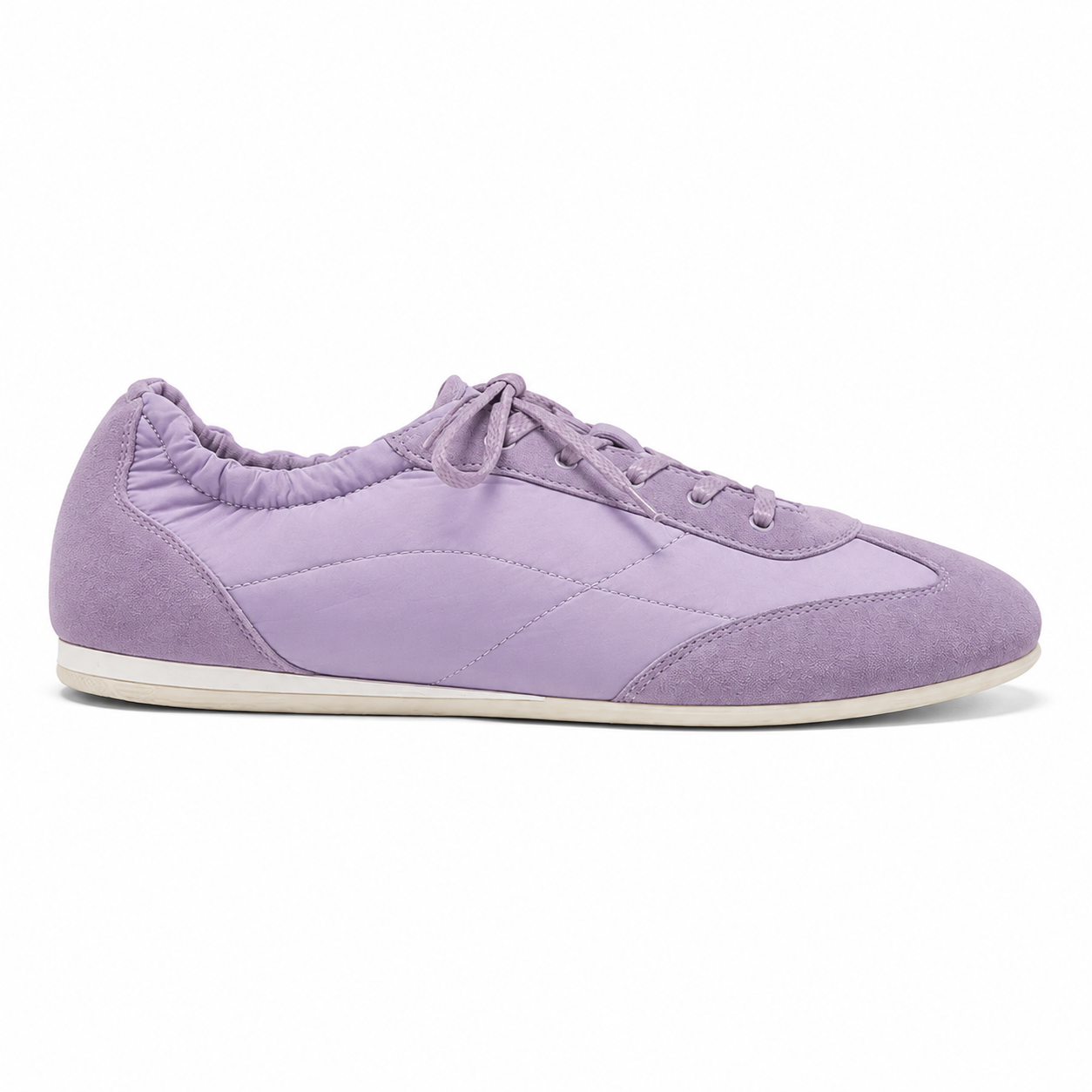
Women Sneakerinas Ballet Sneakers, Hybrid Ballet Flat & Casual Trainer, Light Low-profile Daily Walking Footwear
Booth| Model Number | GS-BS01 |
| Brand | GISMA Guangzhou |
| Net Weight | 185g / pair |
| China CN | Europe EU | US Women | JP / Foot Length (cm) |
|---|---|---|---|
| 35 | 35 | 5 | 22.5 |
| 36 | 36 / 36.5 | 6 | 23.0 |
| 37 | 37 / 37.5 | 7 | 23.5 |
| 38 | 38 / 38.5 | 8 | 24.0 |
| 39 | 39 / 39.5 | 9 | 24.5 |
| 40 | 40 | 10 | 25.0 |
| 41 | 41 / 42 | 11 | 25.5 |
Women’s Ballet Casual Sneakers | Ballet Flat Hybrid Shoes
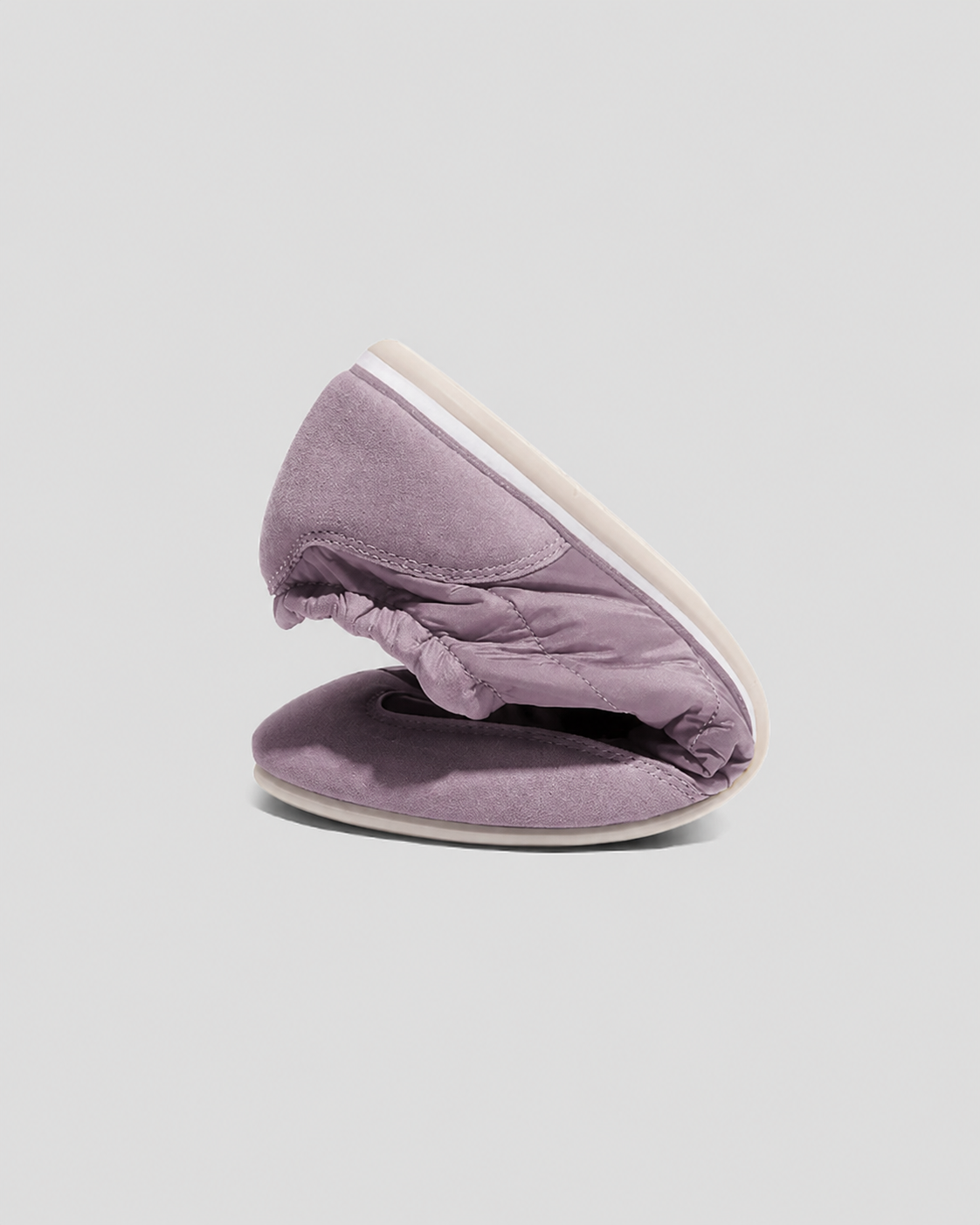
These 2-in-1 women’s ballet casual sneakers artfully integrate the elegant streamlined silhouette of ballet flats with the soft, highly cushioned outsoles of casual trainers, resolving the longstanding dilemma for women’s footwear that balances attractive appearance and wearing comfort. Featuring a lightweight low-cut design that fits snugly around feet, the shoes are ideal for daily commutes, shopping and scenarios requiring prolonged walking. Every pair is manufactured with high-standard low-carbon production techniques. From uppers to auxiliary materials, the whole production adheres to global ESG corporate social responsibility principles. GISMA interprets the core value of this ballet sneaker from three dimensions: eco-friendly raw materials, low-carbon manufacturing processes and global social responsibility.
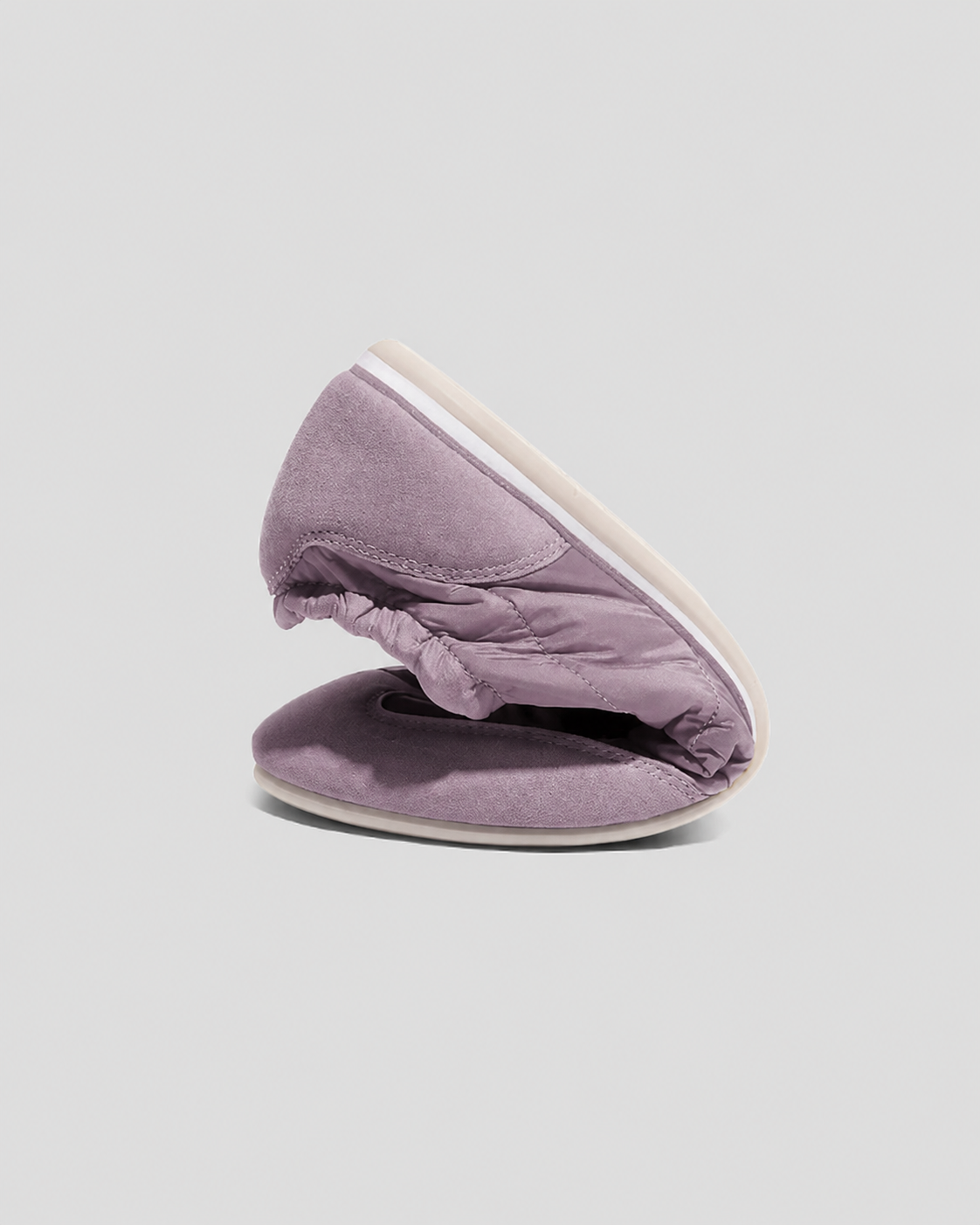
Crafted with 100% recycled plant-based raw materials certified by PETA Vegan Standard, the footwear contains zero animal leather. The upper adopts recycled elastic eco-yarn co-developed with Repreve, a leading supplier of recycled fabrics. Made by melting and drawing waste PET plastic bottles, the fabric delivers excellent elasticity, breathability, abrasion resistance and gentle skin-friendly texture. Premium versions are further furnished with recycled satin and recyclable lace, combining subtle matte luxury and sustainable features. The integrated low-carbon insole has a skin-friendly faux suede surface infused with natural herbal extracts for long-lasting sweat absorption and antibacterial performance, keeping feet dry all day. Instead of conventional petroleum-based rubber, the outsole is formulated with a composite blend of sugarcane-based EVA, natural rubber and rice husk fibre, offering athletic-grade cushioning, energy return and reliable anti-slip traction. It features a much shorter biodegradation cycle after disposal and greatly cuts the carbon footprint across the product lifecycle.
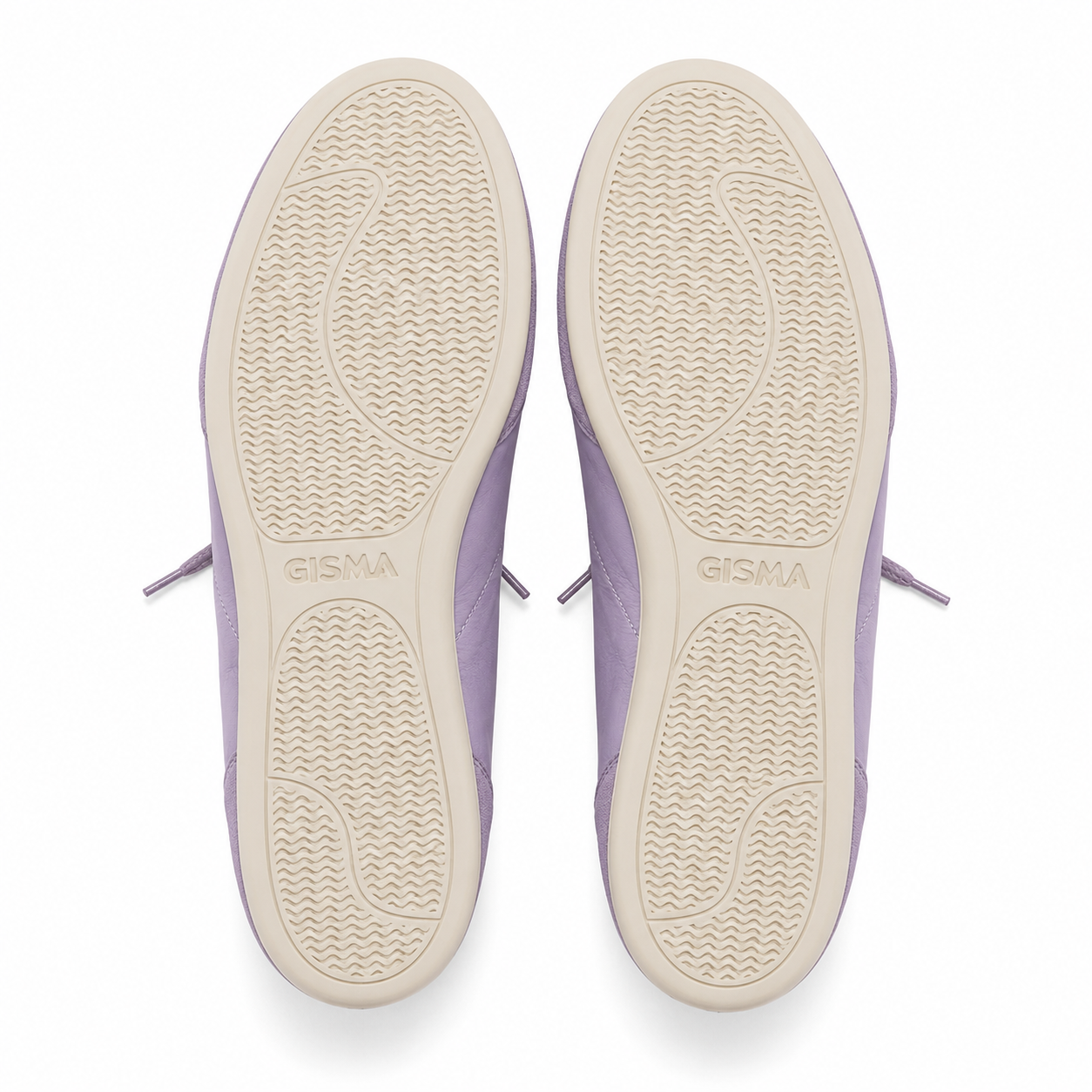
In terms of low-carbon manufacturing, GISMA embeds circular sustainable design throughout the entire product lifecycle and firmly rejects greenwashing. All environmental indicators are backed by verifiable production data. On average, each pair recycles six waste PET plastic bottles. After crushing, melting and spinning into recycled filament, the upper is seamlessly formed via integrated 3D CNC weaving technology. Unlike traditional cutting-based shoemaking that generates massive offcuts, this process reduces raw material waste by over 30% and achieves precision near-zero-waste forming. Environmental concepts are also implemented in packaging: each pair is packed in fully recyclable corrugated cartons free of chemical lamination and non-degradable plastic films. Carton printing adopts water-based eco-ink with zero harmful volatile emissions. Additionally, the shoes support cold machine washing without deformation, discoloration or fabric damage. The durable washable design extends service life and reduces resource waste and overconsumption caused by premature disposal of soiled footwear.
When referencing prevailing global standards for low-carbon footwear, regional authorities and ISO specifications differ significantly across seven aspects: regulatory nature, core standards, carbon accounting scope, traceability disclosure, waste management, production control and anti-greenwashing rules. The EU enforces stringent mandatory regulations with heavy penalties, implementing directives including ESPR, PEFCR 3.1 and DPP. It adopts full life-cycle carbon assessment covering raw material extraction to end-of-life disposal, mandates full-chain carbon emission data accessible via QR codes, and will roll out waste ban regulations and mandatory shoe recycling schemes in 2026. Production requires precise full-process carbon calculation, while recycled and plant-based eco-materials face strict entry thresholds. China establishes industrial standards aligned with the dual-carbon strategy and footwear carbon footprint specifications, driven by green certifications and policy subsidies. Its carbon accounting covers the factory boundary from raw material production to finished goods. A unified national carbon disclosure system is under development, alongside footwear recycling initiatives and circular economy policies. Production lines prioritize energy conservation and eco-adhesives, with product safety remaining the top priority for eco-material application.
The US adopts a market-oriented framework, managing supplier compliance through SBTi Science Based Targets and FDRA industry guidelines. Carbon accounting mainly focuses on Scope 3 emissions across upstream and downstream supply chains, with regular third-party compliance audits. Policies vigorously support footwear repair services to extend product lifespans, supply chains upgrade to clean energy, and durable construction stands at the heart of low-carbon product design. As globally accepted voluntary technical benchmarks, ISO releases ISO 20952 and ISO 20953 dedicated footwear specifications. The standards establish unified full-life-cycle carbon assessment frameworks, standardized environmental product declaration rules and consistent evaluation criteria for material recyclability and biodegradability. They balance control over diverse pollutants to avoid cross-regional pollution transfer, set minimum performance requirements for eco-materials, standardize marketing of low-carbon footwear worldwide and curb misleading environmental claims and greenwashing.