
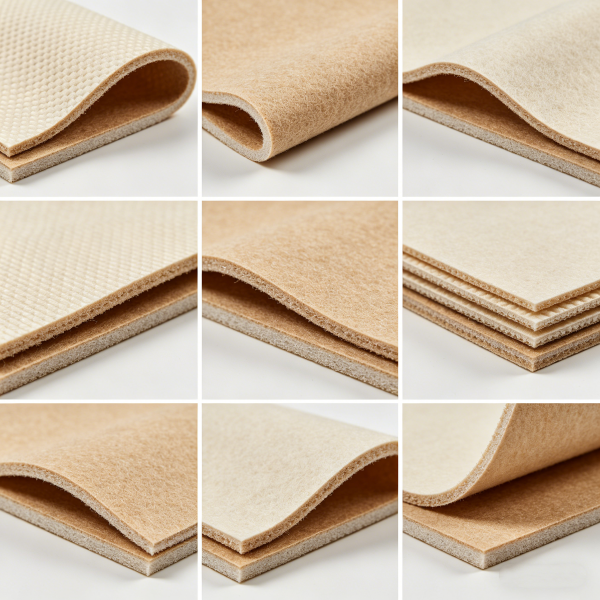
Shoe-Making Shaping Cloth | Textile Shaping Cloth
Booth| Model Number | RZ-002 |
| Brand | Runze |
| Dimension(L*W*H) | 1500x2000x0.1mm |
| Company | Dongguan Runze Textile Co., Ltd. |
Shoe-Making Shaping Cloth: Classification, Composition and Application Scenarios
I. Classification of Shoe-Making Shaping Cloth (by Purpose/Process)
Shoe-making shaping cloth is mainly used for shaping and stiffening various parts of shoes, improving the three-dimensional sense and durability of the shoe shape. According to the application parts, processes and functions, it is mainly divided into 4 categories to meet the needs of different shoe types:
1.1 Classification by Application Parts
- Toe Shaping Cloth: Specifically used for the toe part, its main function is to fix the shape of the toe, prevent the toe from collapsing and deforming, keep the toe stiff and in shape, and is suitable for various shoe types such as leather shoes, casual shoes and sports shoes.
- Heel Shaping Cloth: Used for the heel and the back side of the shoe upper, it enhances the support and stability of the heel, avoids the heel from collapsing and deforming, and improves the wearing comfort and service life of the shoes.
- Upper Shaping Cloth: Used for the whole or part of the upper (such as shoe waist and tongue), it assists the upper to keep flat and three-dimensional, reduces wrinkles on the upper during wearing, and makes the shoe shape more regular.
- Full-Shoe Shaping Cloth: Can be used for the overall shaping of shoes, with a relatively hard texture but also flexibility, suitable for shoe types that need overall stiffness (such as formal leather shoes and work shoes).
1.2 Classification by Process
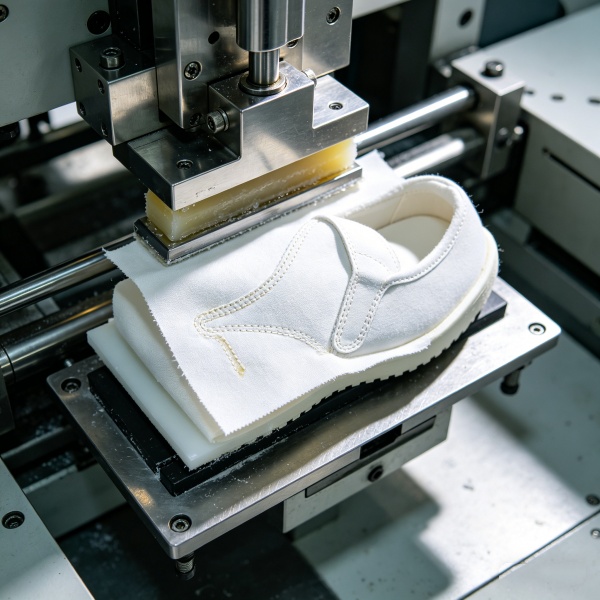
- Hot Melt Adhesive Shaping Cloth: The core process is compounding a hot melt adhesive layer. It can be quickly bonded to the upper and shoe
materials after heating, with long-lasting shaping effect, no need for additional gluing, and is suitable for automatic shoe-making production
lines. It is currently the most widely used type in the shoe-making industry.
- Ordinary Shaping Cloth: Without a hot melt adhesive layer, it needs to be bonded and shaped by gluing, with a soft texture, suitable for shoe types with low requirements on shaping strength (such as casual canvas shoes and soft-soled shoes).
- Low-Temperature Shaping Cloth: The melting point of the hot melt adhesive is relatively low (80-100℃). It is not easy to damage the upper fabric (such as genuine leather and knitted fabric) during shaping, and is suitable for the shaping of high-end shoe types and sensitive fabrics.
1.3 Classification by Function
- Waterproof Shaping Cloth: Added with a waterproof coating, it has both shaping and waterproof functions, suitable for shoe types that need waterproofing such as outdoor shoes and rain shoes, preventing water penetration while keeping the shoe shape stiff.
- High-Elastic Shaping Cloth: Added with elastic fibers, it has a certain flexibility while shaping, suitable for sports shoes and elastic shoes, does not affect the flexibility of the shoes, and balances shaping and wearing comfort.
- Wear-Resistant Shaping Cloth: The fabric is specially treated, with a wear-resistant surface that is not easy to fluff, suitable for high-frequency wear shoe types such as work shoes and outdoor shoes, and extends the service life of the shoes.
II. Core Composition of Shoe-Making Shaping Cloth
The composition of shoe-making shaping cloth is mainly divided into two parts: base material and functional auxiliary materials. The core is a combination of "shaping base material + bonding/functional components", which balances shaping effect, flexibility and adaptability. The common components are as follows:
2.1 Core Base Material (Determines Shaping Effect)
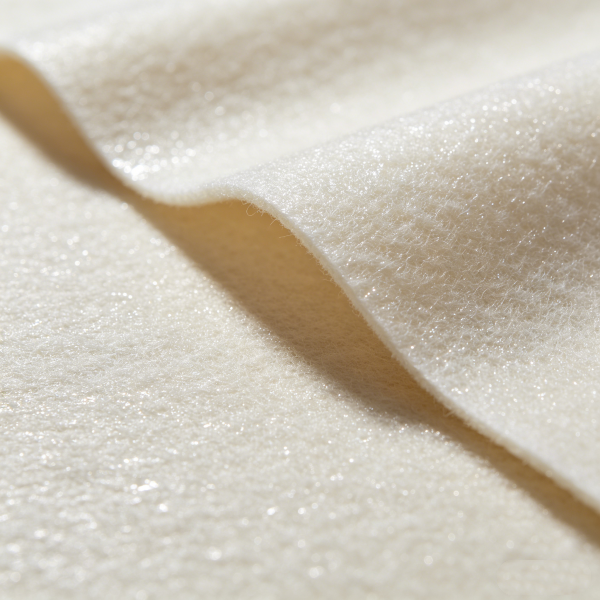
- Polyester (Polyester Fiber): The most commonly used base material, with tough texture, good stiffness, not easy to deform and shrink, wear-resistant and affordable. It is suitable for most shoe-making shaping needs and is the core base material of ordinary shaping cloth and hot melt adhesive shaping cloth.
- Nylon (Polyamide): Soft texture and strong toughness, with good elasticity while shaping, suitable for making high-elastic shaping cloth and adapting to sports shoes and elastic shoes.
- Cotton Blend: A combination of polyester and cotton, which balances stiffness and air permeability, with a soft texture. It is suitable for making upper shaping cloth and tongue shaping cloth, improving wearing comfort, and is suitable for casual shoes and leather shoes.
- Non-Woven Fabric: Lightweight, low cost and moderate shaping effect, suitable for making auxiliary shaping cloth for toes and heels, mostly used in mid-to-low-end shoe types.
2.2 Functional Auxiliary Materials (Improve Adaptability and Functionality)
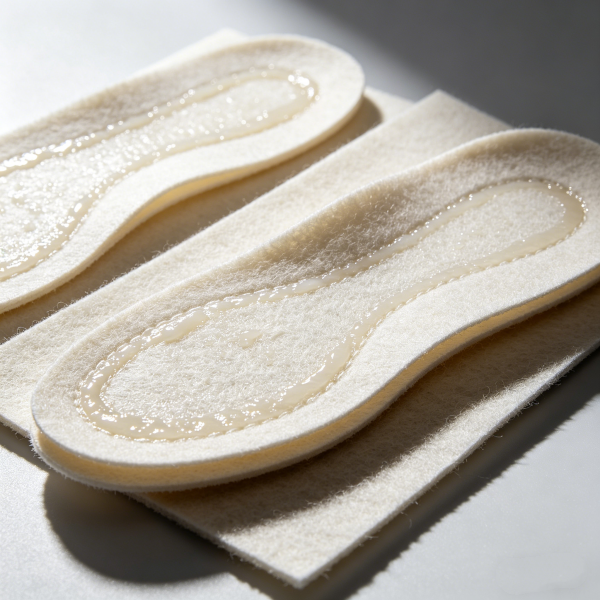
- Hot Melt Adhesive: The core auxiliary material of hot melt adhesive shaping cloth, divided into low-temperature, medium-temperature and high-temperature types. Its main components are EVA and TPU. It melts and bonds when heated, and fixes the shape when cooled, realizing "shaping + bonding" integration.
- Waterproof Coating: Special for waterproof shaping cloth, its main components are PU and TPU coatings, which evenly cover the surface of the base material to form a dense waterproof layer without affecting the shaping effect.
- Elastic Fiber (Spandex): An added component of high-elastic shaping cloth, accounting for 5%-10%, which improves the flexibility and elasticity of the shaping cloth, and is suitable for shoe parts that need to be bent (such as shoe waist and toe).
- Environmental Protection Auxiliaries: Comply with shoe-making environmental protection standards (REACH, RoHS), used to improve the hand feel and aging resistance of shaping cloth, avoid peculiar smell and harmful substances, and adapt to the production of high-end shoe types.
III. Application Scenarios of Shoe-Making Shaping Cloth
It is mainly applied to the production and manufacturing of various shoes, covering key parts such as toe, heel and upper, and is suitable for different shoe types and fabrics. The specific scenarios are as follows:
3.1 Application by Shoe Type
- Formal Leather Shoes: Mainly use toe shaping cloth, heel shaping cloth and upper shaping cloth. The material is mainly polyester + hot melt adhesive, which requires stiff shaping and no deformation, to create a regular shoe shape and improve the texture of leather shoes.
- Casual Shoes (Canvas Shoes, Board Shoes): Use upper shaping cloth and tongue shaping cloth, mostly ordinary shaping cloth or low-elastic hot melt adhesive shaping cloth, which balances shaping and softness, avoids the shoe shape from collapsing but does not affect wearing comfort.
- Sports Shoes: Use high-elastic shaping cloth and toe shaping cloth, added with elastic fibers and low-temperature hot melt adhesive, to adapt to the bending needs of sports shoes, fix the shape of the toe at the same time, prevent the toe from collapsing during exercise, and improve sports safety.
- Outdoor Shoes and Work Shoes: Use waterproof shaping cloth and wear-resistant shaping cloth, covering the toe, upper and heel, with shaping, waterproof and wear-resistant functions, adapting to complex outdoor environments and extending the service life of the shoes.
- Women's Shoes (High-Heeled Shoes, Flat Shoes): Use lightweight shaping cloth, mostly polyester-cotton blend material, which keeps light and soft while shaping, adapts to the exquisite shoe shape of women's shoes, and avoids the upper from collapsing and deforming.
3.2 Application by Shoe Parts
- Toe Part: The core application scenario. Almost all shoe types need to use shaping cloth for the toe, especially pointed leather shoes and sports shoes, to prevent the toe from collapsing and deforming, and keep the three-dimensional sense of the toe.
- Heel/Back Side of Upper: Mainly used for shoe types that need support, such as leather shoes, work shoes and high-heeled shoes, to enhance the stability of the heel, avoid the upper from collapsing, and improve the fit of the shoes.
- Upper/Shoe Waist: Used for the overall shaping of the upper, avoiding wrinkles and deformation of the upper during wearing, keeping the shoe shape regular for a long time, and suitable for styles with high requirements on shoe shape such as formal leather shoes and casual shoes.
- Tongue: Use lightweight and breathable shaping cloth to fix the shape of the tongue, avoid the tongue from shifting and wrinkling, and improve wearing comfort, suitable for sports shoes and casual shoes.
3.3 Other Extended Applications
In addition to the core shoe-making parts, it can also be used for the shaping of shoe accessories, such as the shaping around shoe buckles and shoelace holes, enhancing the fit between accessories and the upper, preventing accessories from falling off and deforming, and further improving the overall quality and durability of the shoes.