
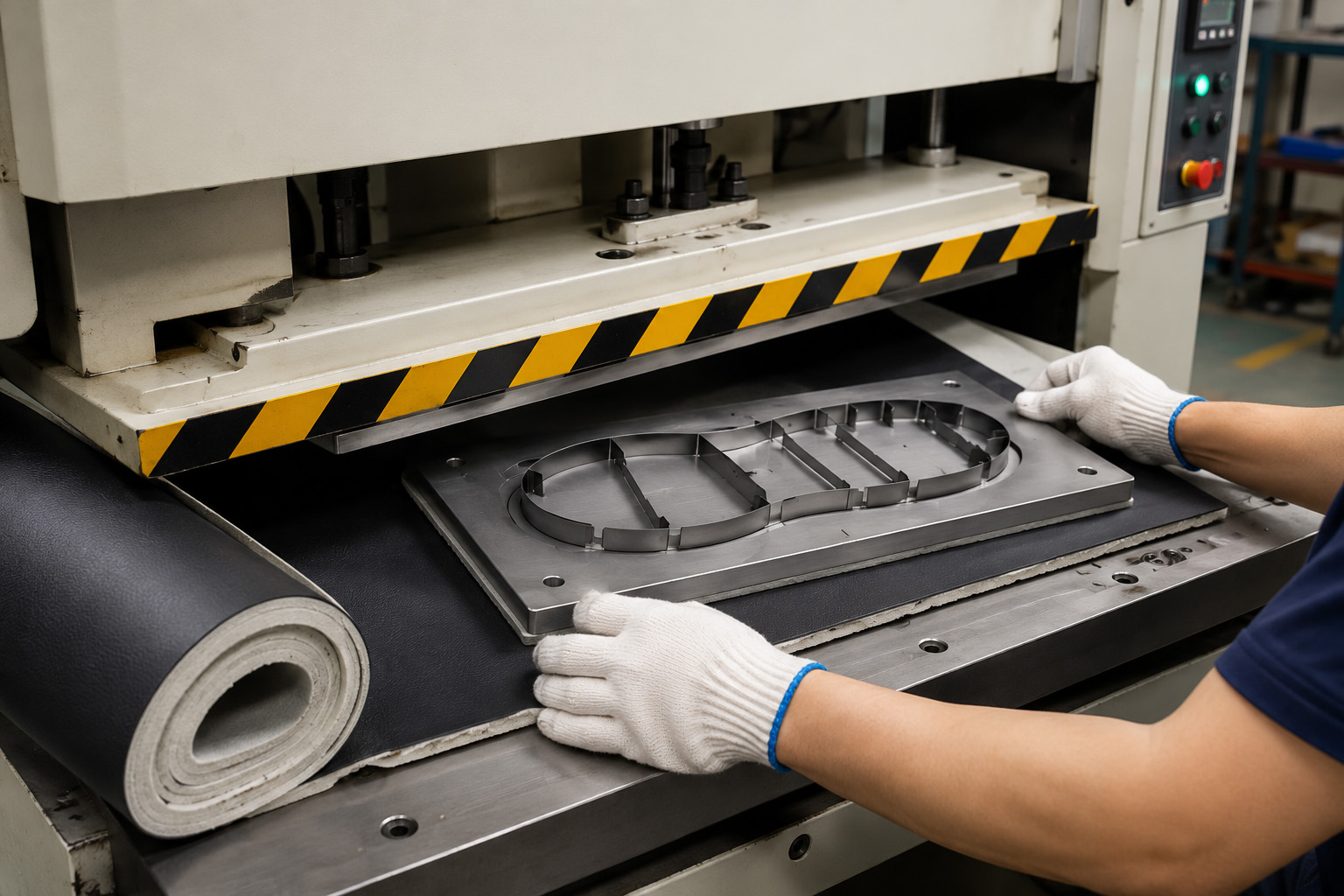
Shoe Cutting Die, Steel Rule Cutting Mold For Leather Fabric EVA Foam Shoe Upper & Sole Pattern Blanking
Booth| Model Number | CD-SHOE-STD |
| Brand | GISMA Guangzhou |
| Net Weight | 6.8 kg |
Shoe Cutting Die, Steel Rule Cutting Mold For Leather Fabric EVA Foam Shoe Upper & Sole Pattern Blanking
Model:CD-SHOE-STD
| Specification | Parameter Details |
|---|---|
| Main Material | 45# steel base plate + hardened high-carbon steel rule blade |
| Processing Craft | CNC grooving, inlaid steel blade, precision edge trimming |
| Applicable Materials | Leather, synthetic leather, shoe fabric, EVA foam, midsole sheet, insole board |
| Customizable Items | Footwear size, upper/sole contour, internal reinforcing rib layout, mounting hole position |
| Single Die Net Weight | 6.8 KG (standard adult shoe size reference) |
| Packaging | Anti-rust oil coating + shockproof wooden case packing |
| Quantity Per Export Case | 1 pcs per wooden case |
| Case Dimension (L×W×H) | 420×260×90 mm |
| Case Gross Weight | 9.2 KG |
Shoe Cutting Die, Steel Rule Cutting Mold For Leather Fabric EVA Foam Shoe Upper
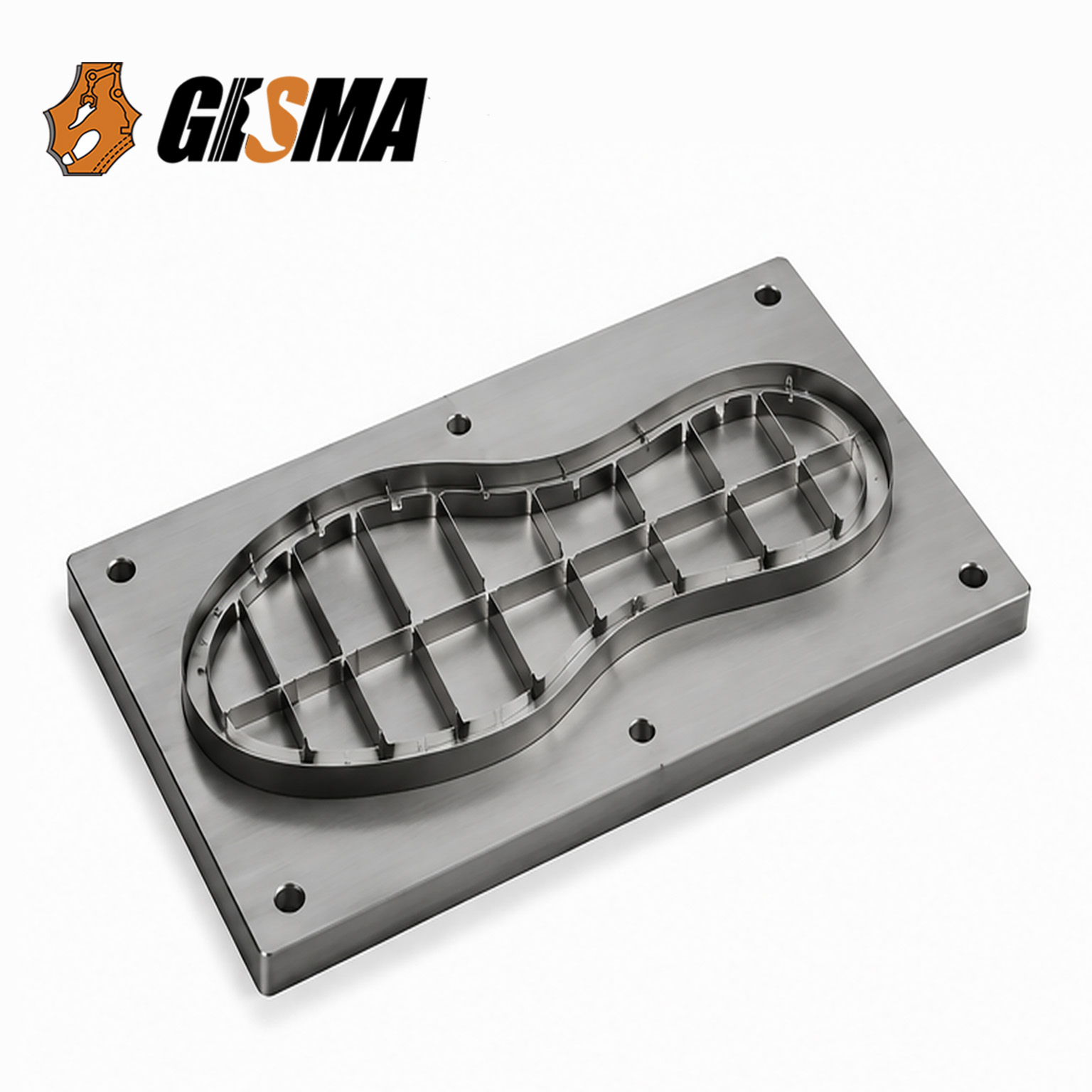
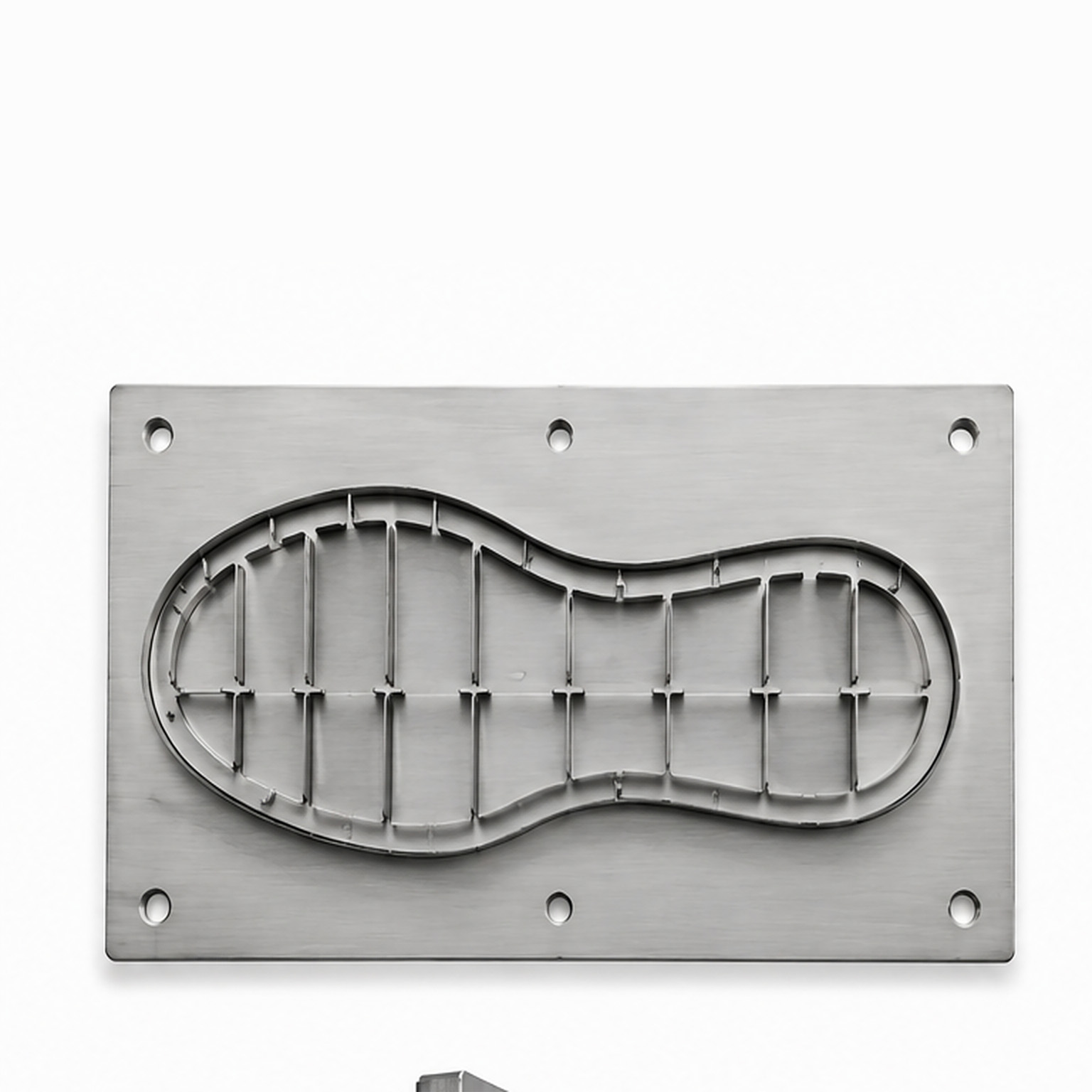
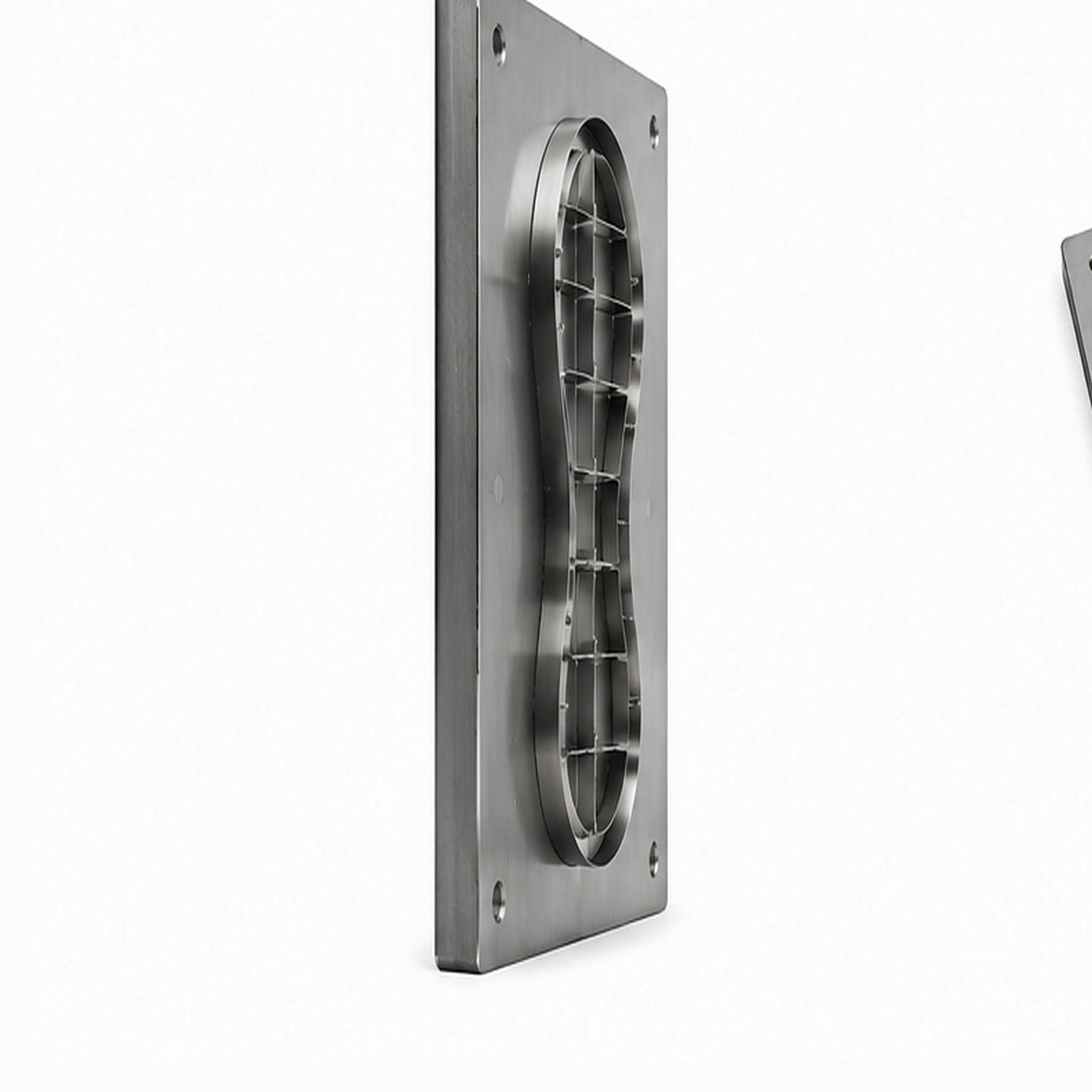
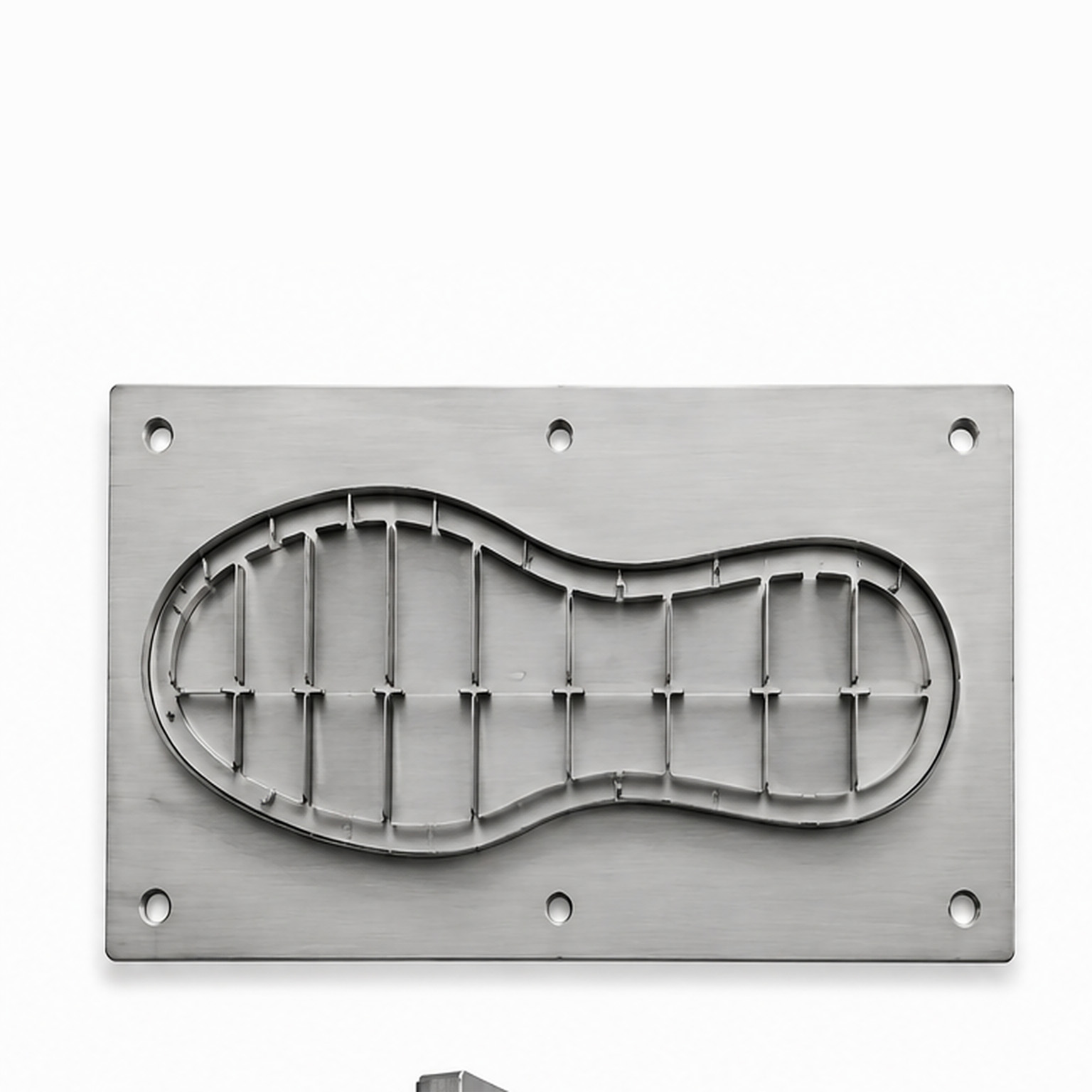
This special‑purpose steel cutting die for shoemaking adopts high‑hardness quenched‑steel cutting blades delivering outstanding sharpness, which achieves smooth, burr‑free clean cutting edges when stamping leather, various textile uppers and EVA foam materials without secondary trimming for finished blanks; precisely CNC‑milled internal slots firmly lock steel blades in position to prevent displacement, loosening or blade dislodgement under long‑term high‑frequency cyclic stamping and secure stable mass‑production output, while integrally‑formed grid‑shaped reinforcing ribs inside the die cavity greatly enhance overall structural rigidity, minimize deformation under continuous heavy‑duty stamping and sustain consistent dimensional tolerances over long production cycles.
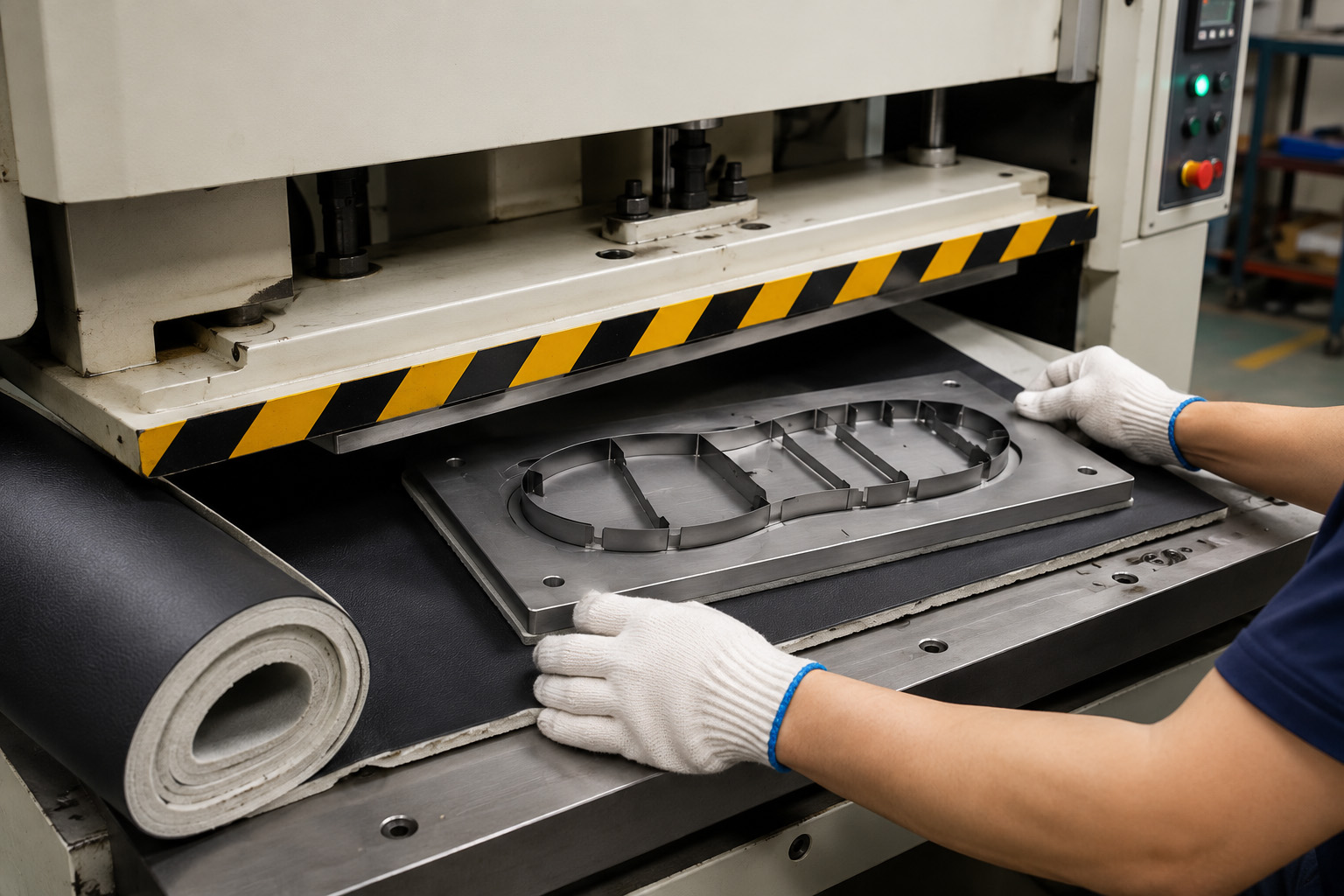
Pre‑drilled standard mounting holes on the die base plate enable fast fitting for mainstream shoemaking hydraulic clicker presses and punching machines for convenient installation and removal without extra modification, and the base plate undergoes anti‑rust and anti‑corrosion treatment to resist oxidation and rust under glue‑rich, humid workshop conditions and long‑term storage, extending overall die service life.
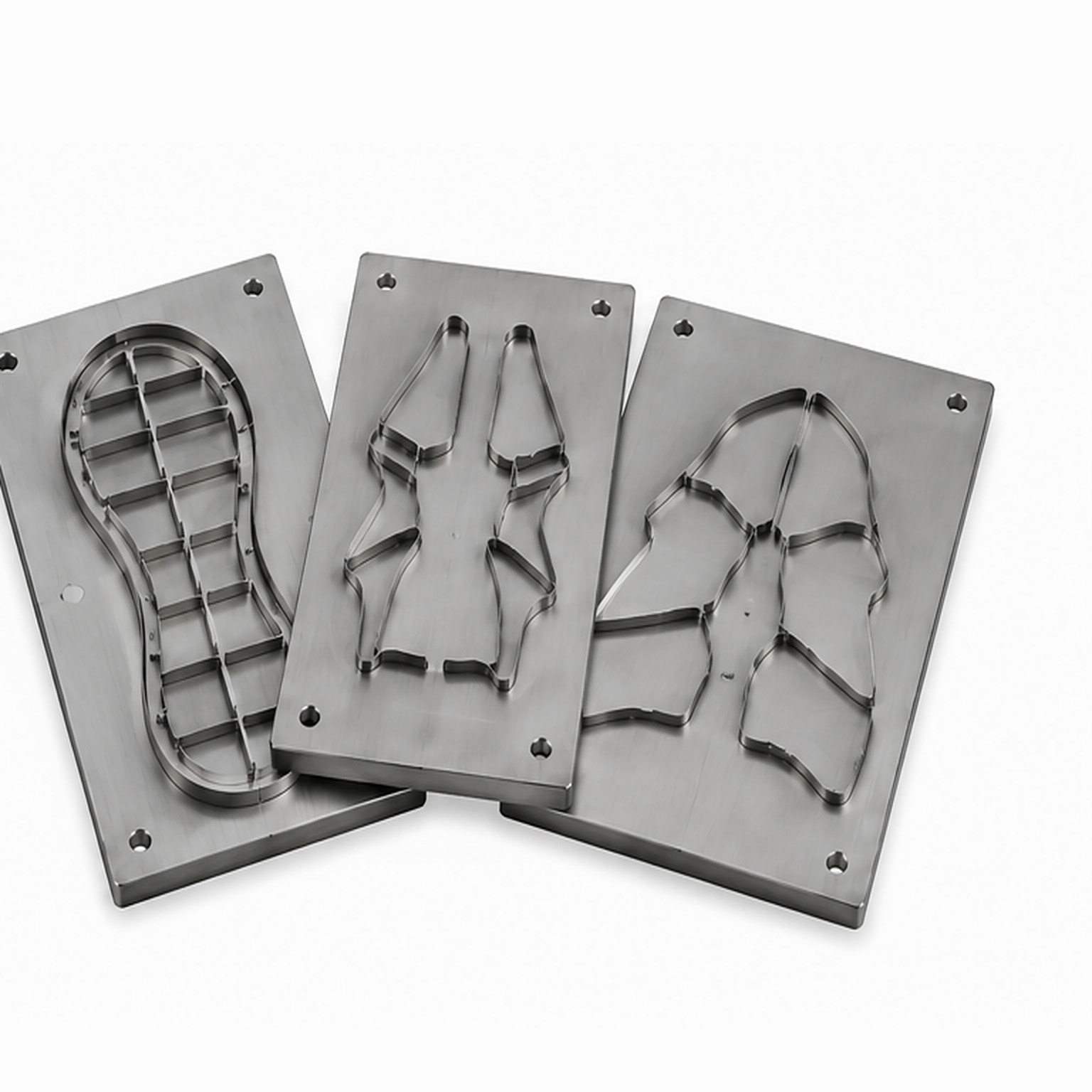
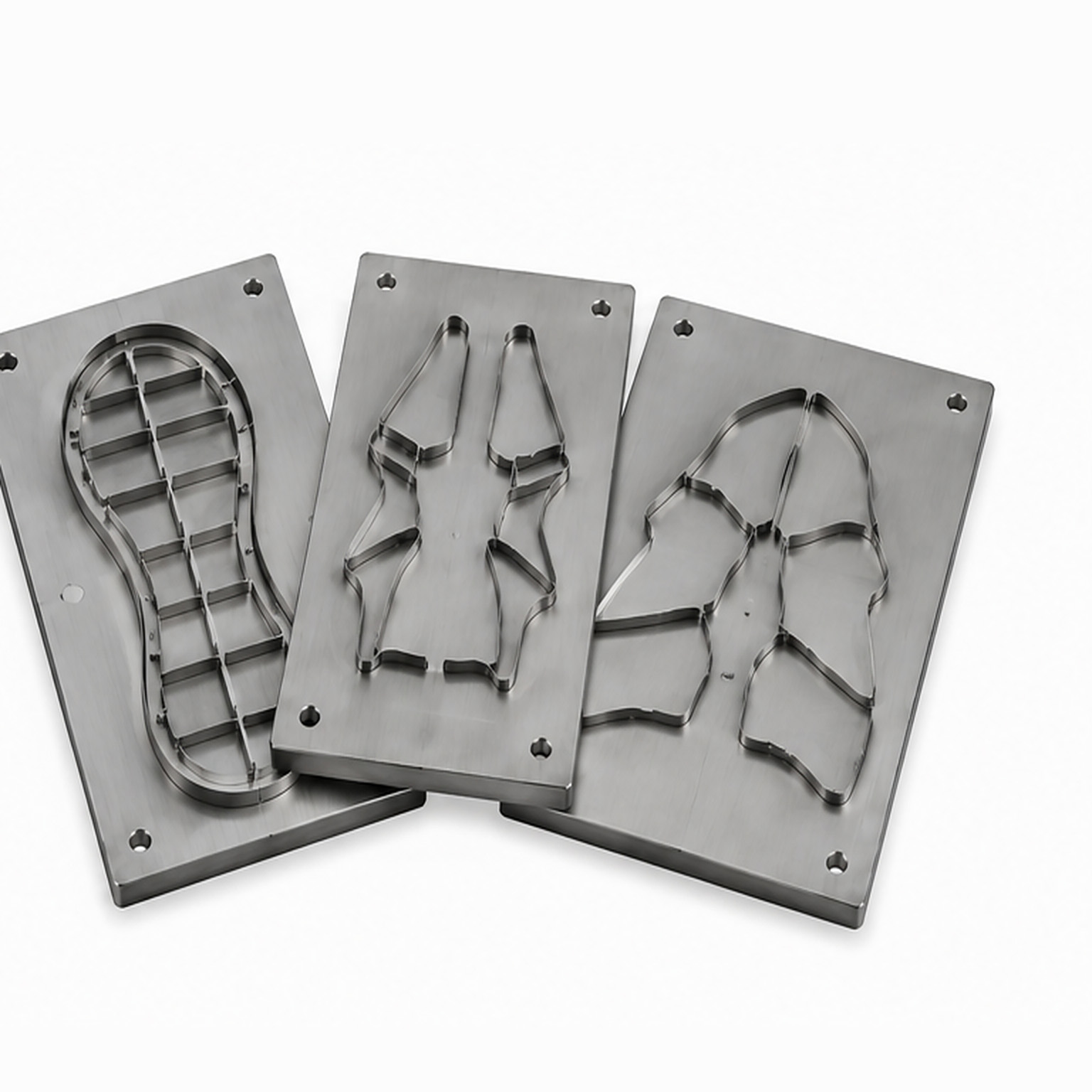
Full‑profile custom service is available, and irregular contours for upper blanks, insoles, EVA midsoles and raw rubber‑outsole blanks can be precisely produced according to customer shoe‑model drawings to satisfy new‑product development and mass‑volume production requirements; strict batch‑to‑batch tolerance control guarantees highly unified dimensions for dies of identical size and contour, ensuring consistent blank specifications on assembly‑line production and avoiding defective finished‑shoe products caused by dimensional deviation. Featuring excellent fatigue resistance, the die withstands tens‑of‑thousands‑times high‑frequency cyclic stamping with good wear‑resistance and long service lifespan.
Optimized blade height supports multi‑layer stacked cutting of various shoe‑material accessories, producing multiple blanks per single stamping to improve overall workshop blanking efficiency. Finely polished outer‑frame edges eliminate sharp corners to prevent hand scratches during handling, mounting and replacement and enhance workshop operational safety. Widely applied in shoe‑material blanking workshops, footwear sample‑development departments and large‑scale automated shoemaking production lines, this steel cutting die is used for die‑cut forming of upper blanks, finished insoles, EVA foam midsoles, lining fabrics and raw rubber‑outsole blanks, covering production of genuine‑leather shoes, running sneakers, casual footwear and industrial safety work boots.
For standardized operation, verify die contour and size against design drawings before mounting onto cutting equipment, adjust stamping pressure flexibly according to thickness and hardness of target shoe‑materials and avoid excessive pressure leading to blade chipping or falling‑off; place protective cardboard underneath soft leather and thin fabrics during cutting to buffer impact and reduce blade wear, remove residual material debris and glue stains inside die cavities and wipe blade edges with a thin coat of anti‑rust oil after daily production to isolate moisture and prevent rust. Idle dies shall lie flat on flat‑bed shelves without heavy loads stacked above die cavities to avoid compressive deformation and blade damage; store dies in dry‑well‑ventilated dedicated warehouses away from water accumulation and high‑humidity zones, protect blade edges from heavy impact and collision during handling and stacking to prevent notch and deformation, and always store dies horizontally instead of vertically.
Complete daily, weekly and monthly graded inspection‑maintenance routines: clean cavity waste and apply anti‑rust oil daily, check blade sharpness, fastening condition and base‑plate flatness weekly, and match proper stamping pressure for raw‑materials of different hardness and thickness to avoid blade bending or breakage. Severely worn dies can be returned for blade replacement, while non‑repairable full dies are sorted for recycling as industrial steel scrap to cut factory consumable‑procurement costs and implement low‑carbon circular production management. Boasting multiple core advantages including burr‑free cutting by quenched high‑carbon‑steel blades, securely‑locked CNC‑slotted steel blades, anti‑deformation internal grid ribs, standard mounting holes compatible with diverse cutting equipment, moisture‑resistant anti‑rust base plate, full‑contour customization, stable batch‑cutting tolerance, high‑fatigue stamping durability, multi‑layer cutting for higher throughput and operator‑safe smooth outer frame, this steel cutting die serves as an indispensable standardized tool for high‑volume shoe‑material blanking in shoemaking workshops.