Footwear Separating Pry Bar, High Carbon Steel Material Separation Crowbar For Shoe Factory Cutting Workshop Leather, Flyknit Fabric, EVA Foam Separating
Booth| Model Number | PRY-BAR-SHOE |
| Brand | GISMA Guangzhou |
| Net Weight | 175 g /pcs |
Footwear Separating Pry Bar, High Carbon Steel Material Separation Crowbar For Shoe Factory Cutting Workshop Leather, Flyknit Fabric, EVA Foam Separating
Model: PRY-BAR-SHOE
| Specification | Parameter Details |
|---|---|
| Raw Material | Integral forged high carbon steel, overall quenched hardening |
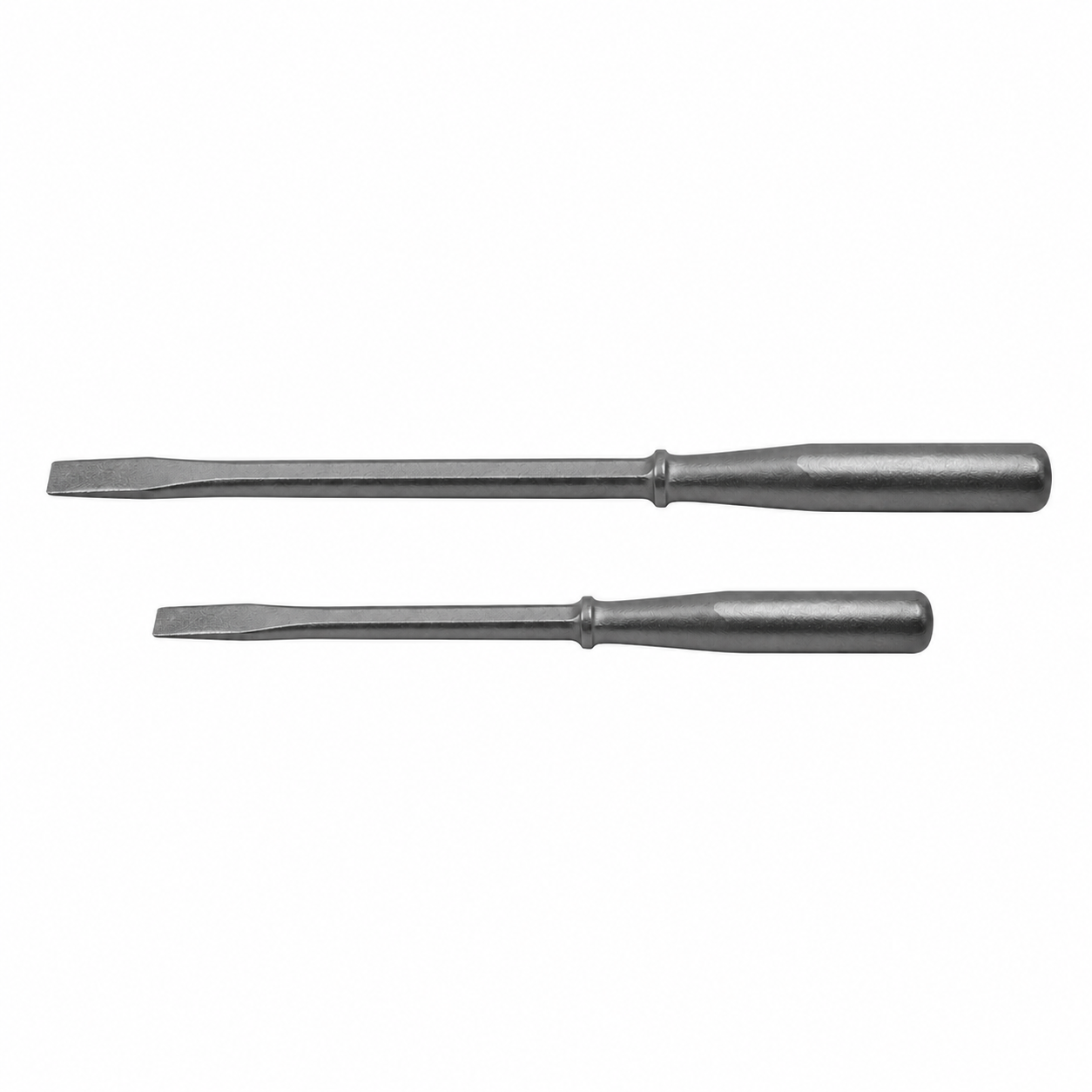
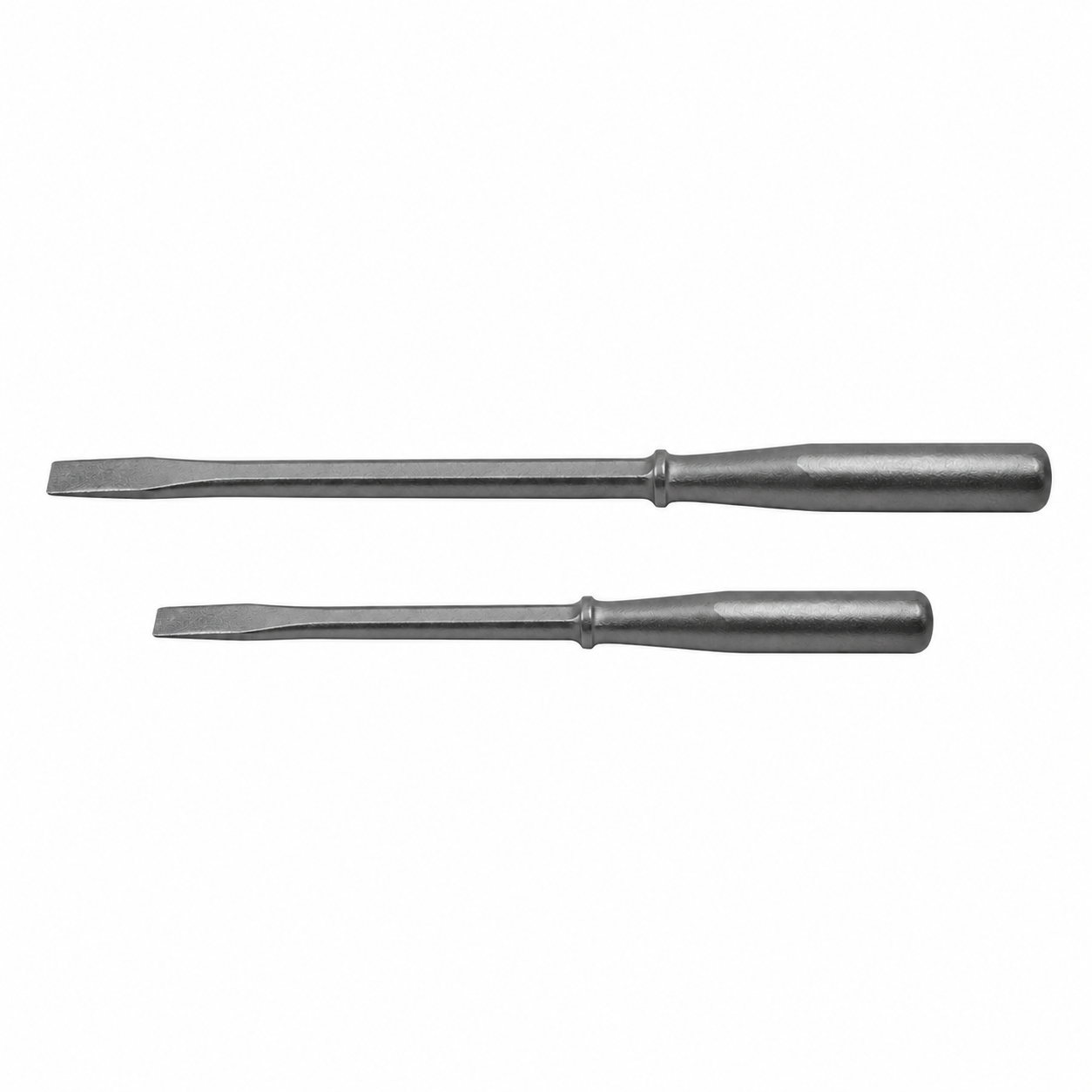
| Size Options | Short Type: 180mm total length; Long Type: 320mm total length |
| Blade Feature | Thin flat beveled tip, easy to insert between stacked shoe materials |
| Surface Treatment | Matte anti-rust metal finish, wear-resistant & not easy to rust |
| Structure | One-piece forming, no welding seam, high bending resistance |
| Single Tool Weight | Short pry bar: 110g; Long pry bar: 240g |
| Packaging | Single piece packed with anti-rust oil paper, carton bulk packing |
| Quantity Per Export Carton | 100 pcs (mixed long & short sizes available) |
| Carton Dimension (L×W×H) | 350×220×150 mm |
| Carton Net Weight | 17.5 KG |
| Carton Gross Weight | 19.2 KG |
Footwear Separating Pry Bar
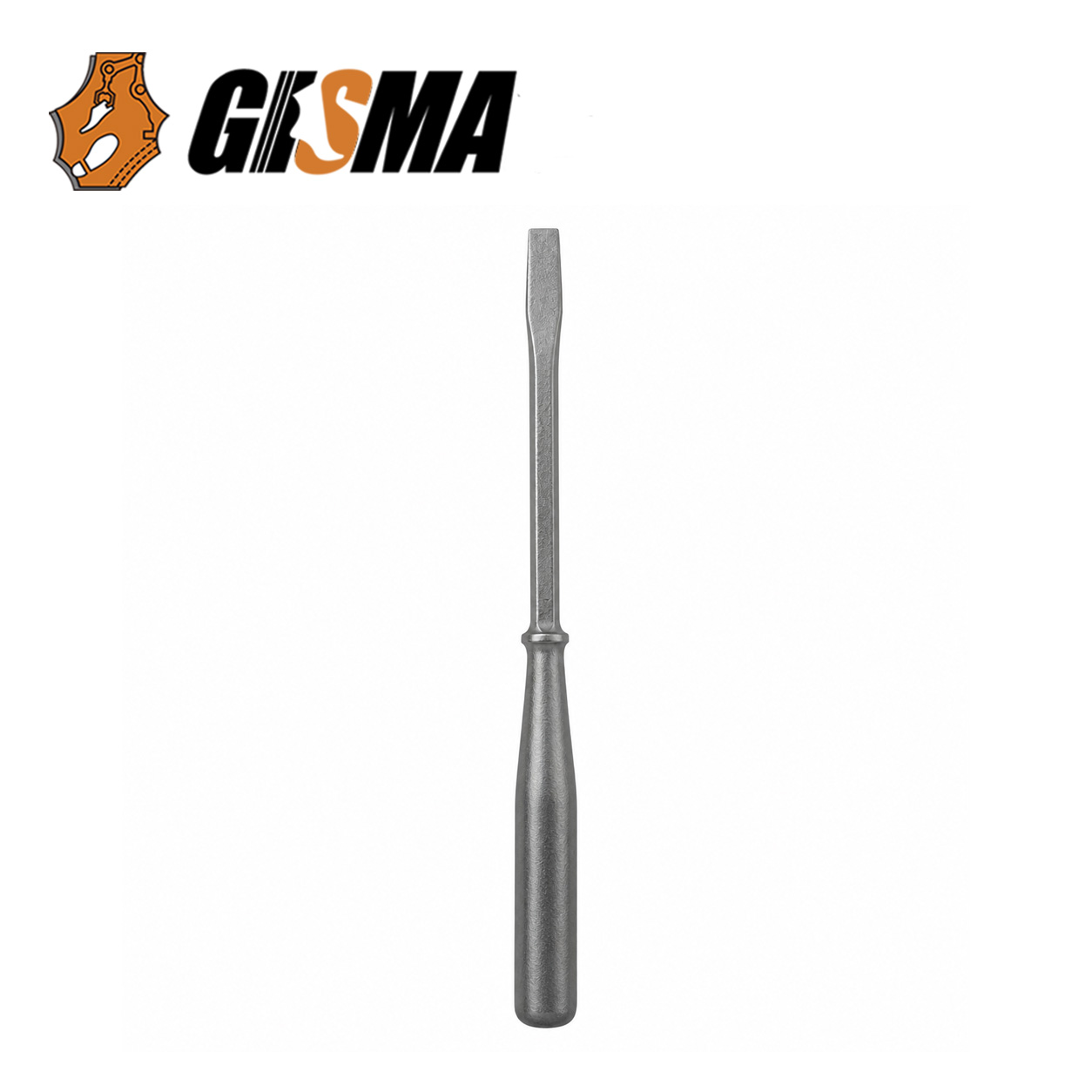
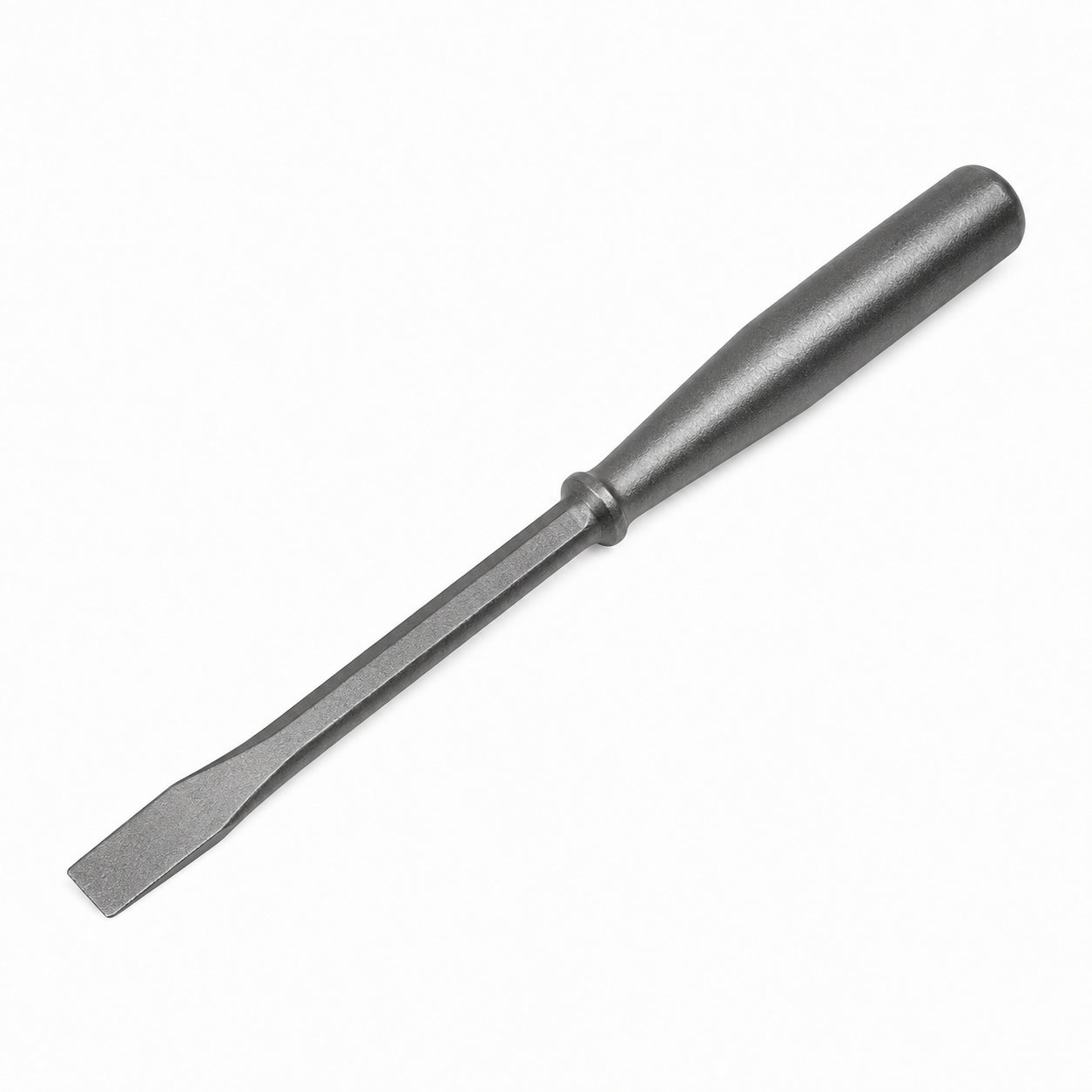
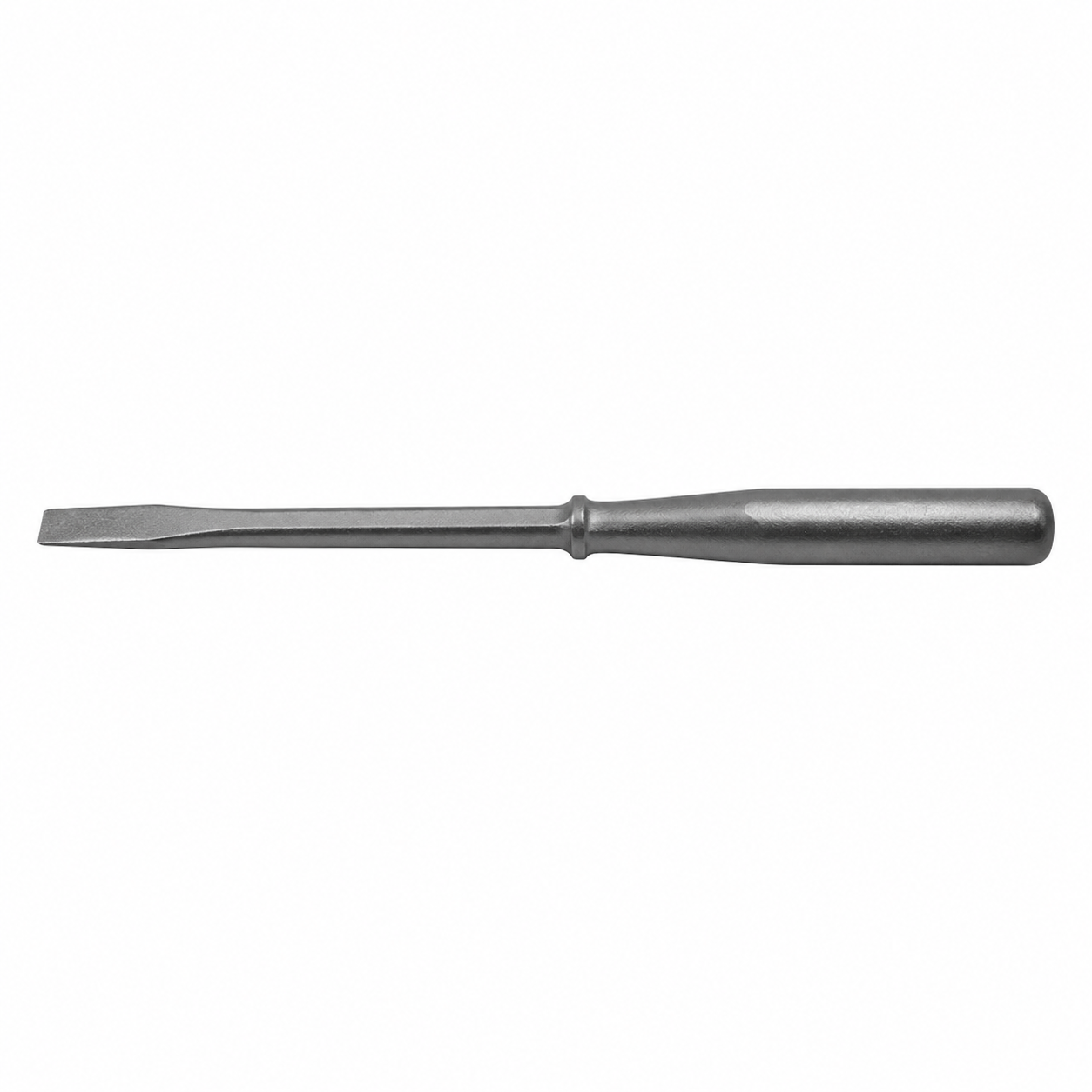
This shoemaking dedicated shoe material separating pry bar is integrally formed from forged high-carbon steel and subjected to comprehensive overall quenching heat treatment. Boasting sufficient hardness and excellent bending resistance, the bar resists bending and deformation under long-term repeated prying to separate multi-layer bonded shoe materials in cutting workshops, delivering long service life and effectively lowering consumable replacement costs for shoe manufacturers. The head features an ultra-thin flat bevel tip. The tip enables smooth insertion yet has no sharp cutting edge. It slides seamlessly into gaps between stacked bonded leather, fly-knit fabric, EVA foam and microfiber cut pieces to quickly separate bonded materials without scratching or tearing shoe blanks, reducing production rejection rates. Adopting seamless integrated forging technology, the pry bar has no welded joints or weak fracture points, delivering robust structural durability. It far outperforms spliced welded pry bars and is resistant to breakage under frequent heavy-duty use.
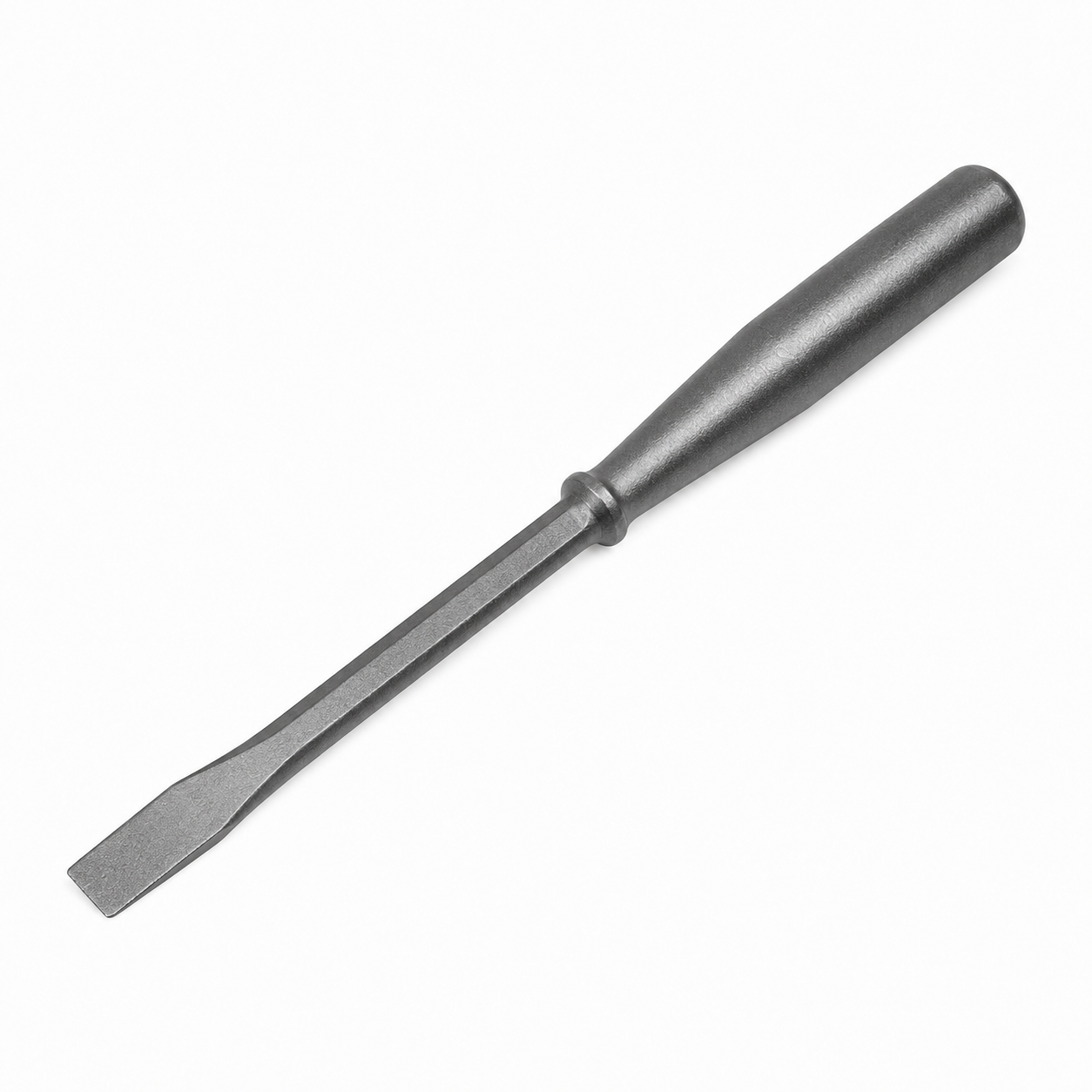
Also known as shoe material separating crowbar, high-carbon fabric separating pry stick, it is specially used for separating leather, fly-knit fabric and EVA foam in shoe factory cutting workshops. The bar surface is coated with matte anti-rust coating, effectively isolating humid moisture in cutting workshops. It resists sweat, oil contamination and water rusting. No rust spots will form even after long-term inventory storage, maintaining smooth insertion performance. Two practical length options are available to meet diverse production demands. The short version suits separation of small thin materials such as insoles and lightweight linings, while the long version is designed for large-area uppers and stacked thick EVA foam. Compatible with all cutting stations, it covers all material separation scenarios in shoe production. The integrated thickened rear handle ensures even force distribution during prying, prevents slipping for safer and labor-saving operation, and accelerates delamination of multi-layer bonded shoe materials.
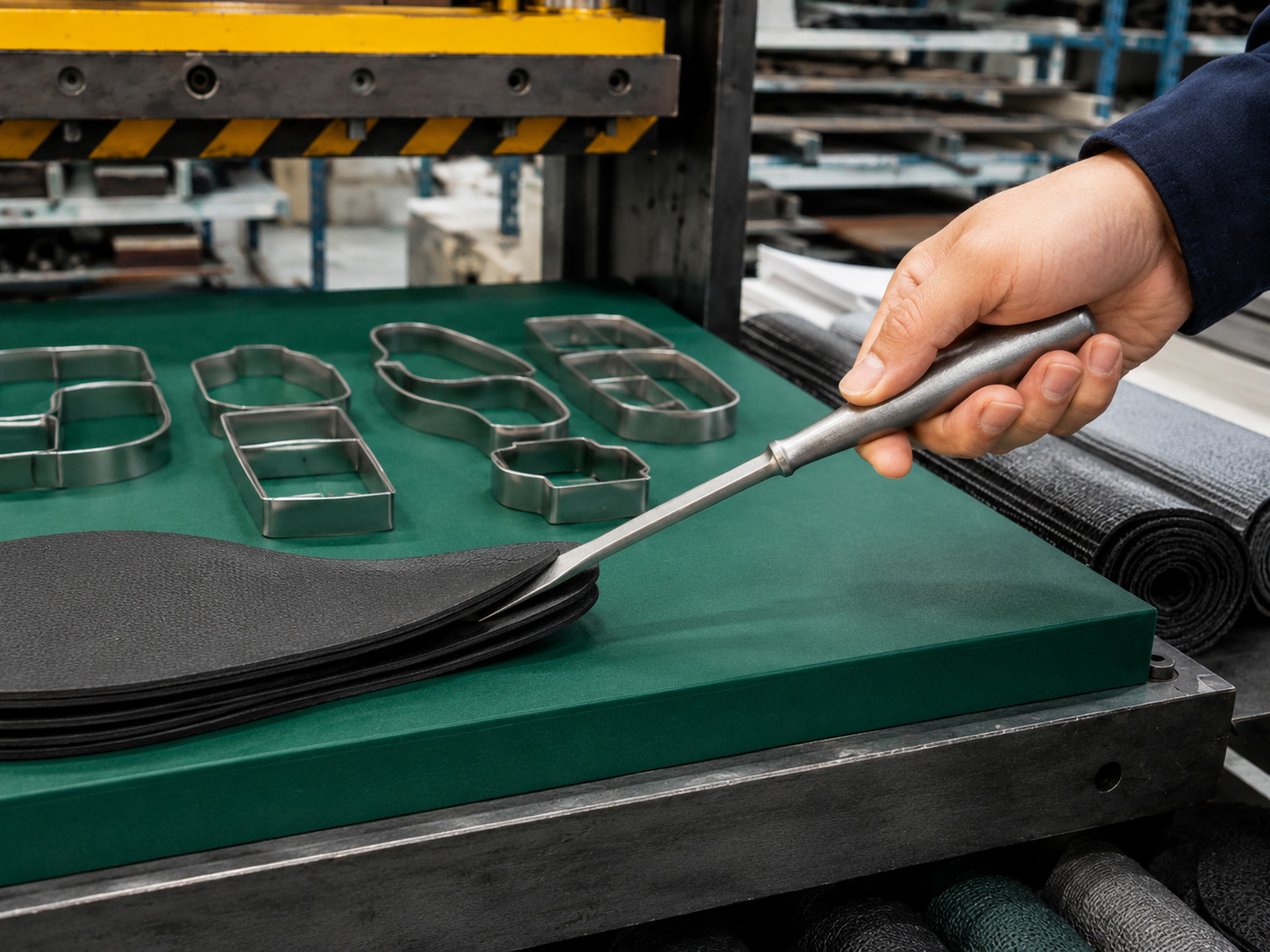
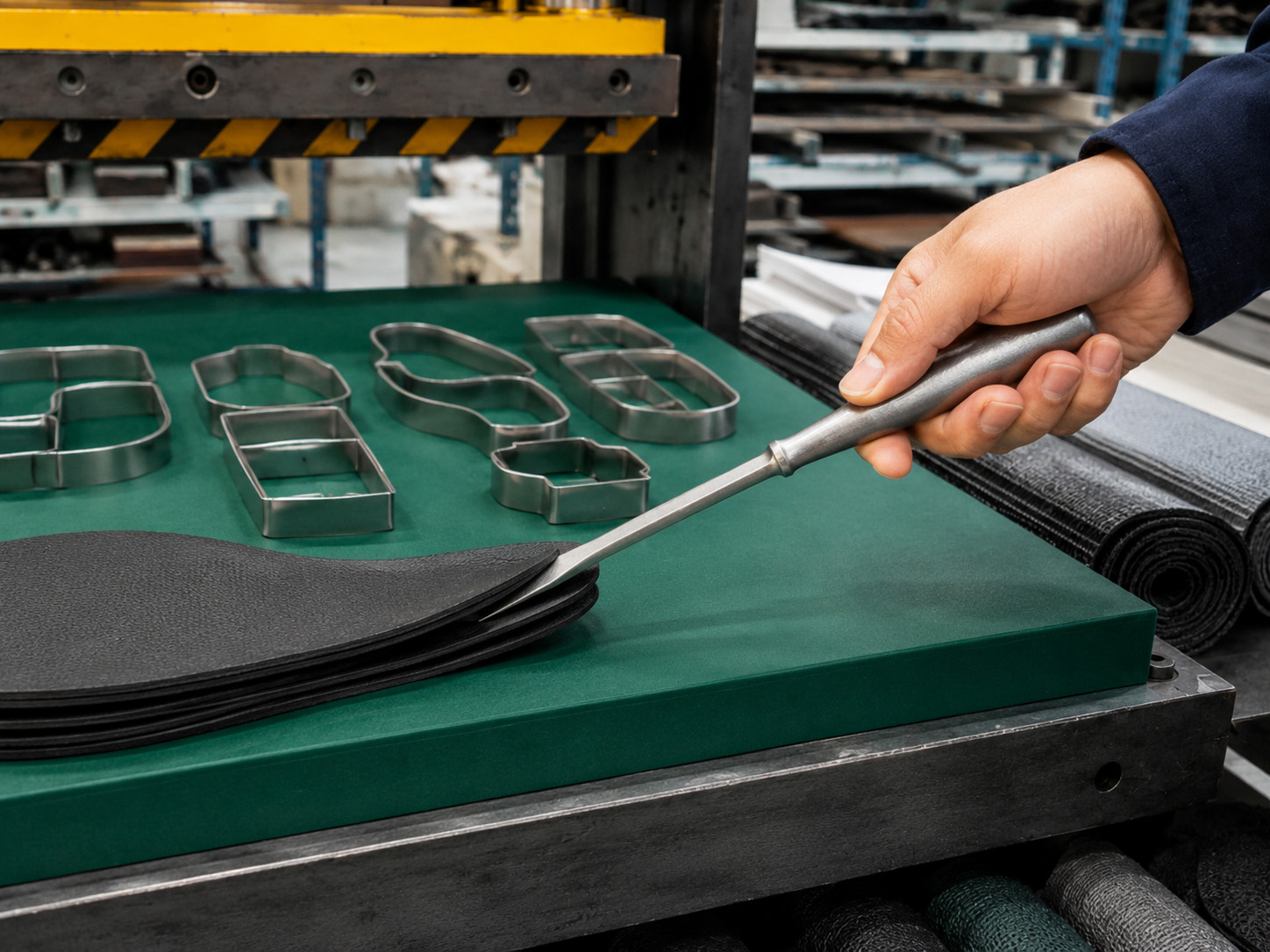
This high-carbon steel shoe separating pry bar is a dedicated hand tool for shoemaking workshops, matched with hydraulic shoe cutting machines. Widely used in shoe material cutting workshops and sample development rooms for sports shoes, casual shoes and safety work footwear, its core function is to separate mutually adhered stacked shoe cut pieces. Compatible materials include microfiber synthetic leather, suede PU, fly-knit fabric, engineering mesh, EVA foam, non-woven lining, insole raw materials, toe puff and heel support sheets. It serves as an essential auxiliary tool to prevent manual tearing damage to shoe blanks during cutting processes.
Standard operating procedures are easy to follow. After hydraulic die cutting completes blanking, place stacked bonded cut pieces flat on green rubber cutting mats. Operators grip the thick rear handle, align the thin flat bevel tip with the bonding gap between shoe layers and insert the tip gently. Tilt the pry bar slightly and separate bonded layers slowly via leverage. Violent prying is prohibited to avoid bar deformation and material piercing. After daily production, wipe foam debris, leather dust and oil contaminants off the pry bar with a clean cloth, apply a thin layer of anti-rust oil before storage to slow oxidation and extend service life. Store separately from sharp cutting dies to avoid tip collision, dullness and deformation.
Complete standardized storage regulations are implemented. All pry bars shall be stored in dedicated dry and ventilated workshop tool cabinets. Direct placement on damp cutting workshop floors is forbidden to avoid rusting. Keep away from corrosive chemical solvents, acid and alkaline cleaners which may damage the matte anti-rust coating. Do not throw or strike the pry bar, and avoid stacking heavy metal workpieces and sharp cutters on top to prevent bending and tip damage. For long-term inventory storage, wrap each pry bar individually with anti-rust oil paper to isolate air and retard oxidation.