
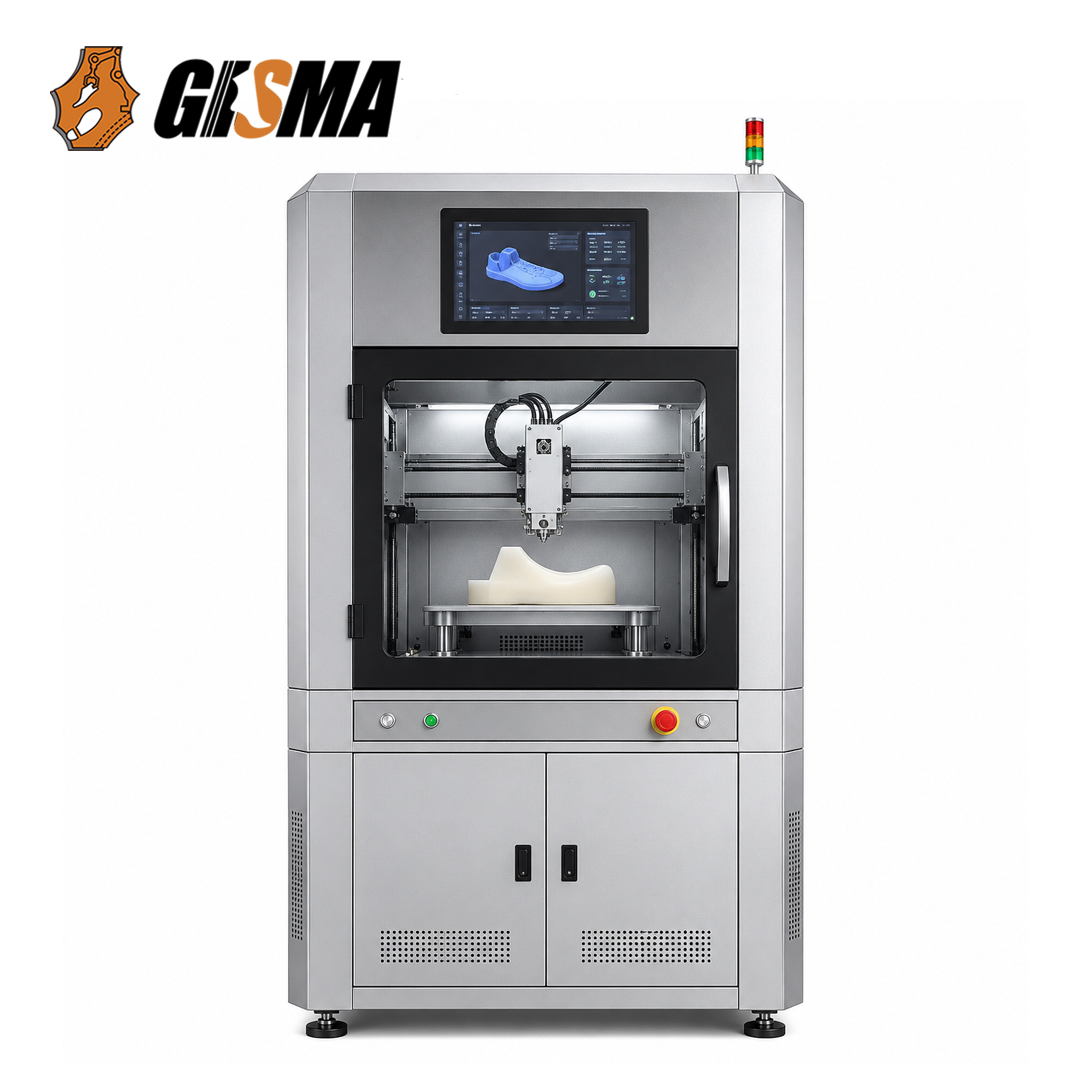
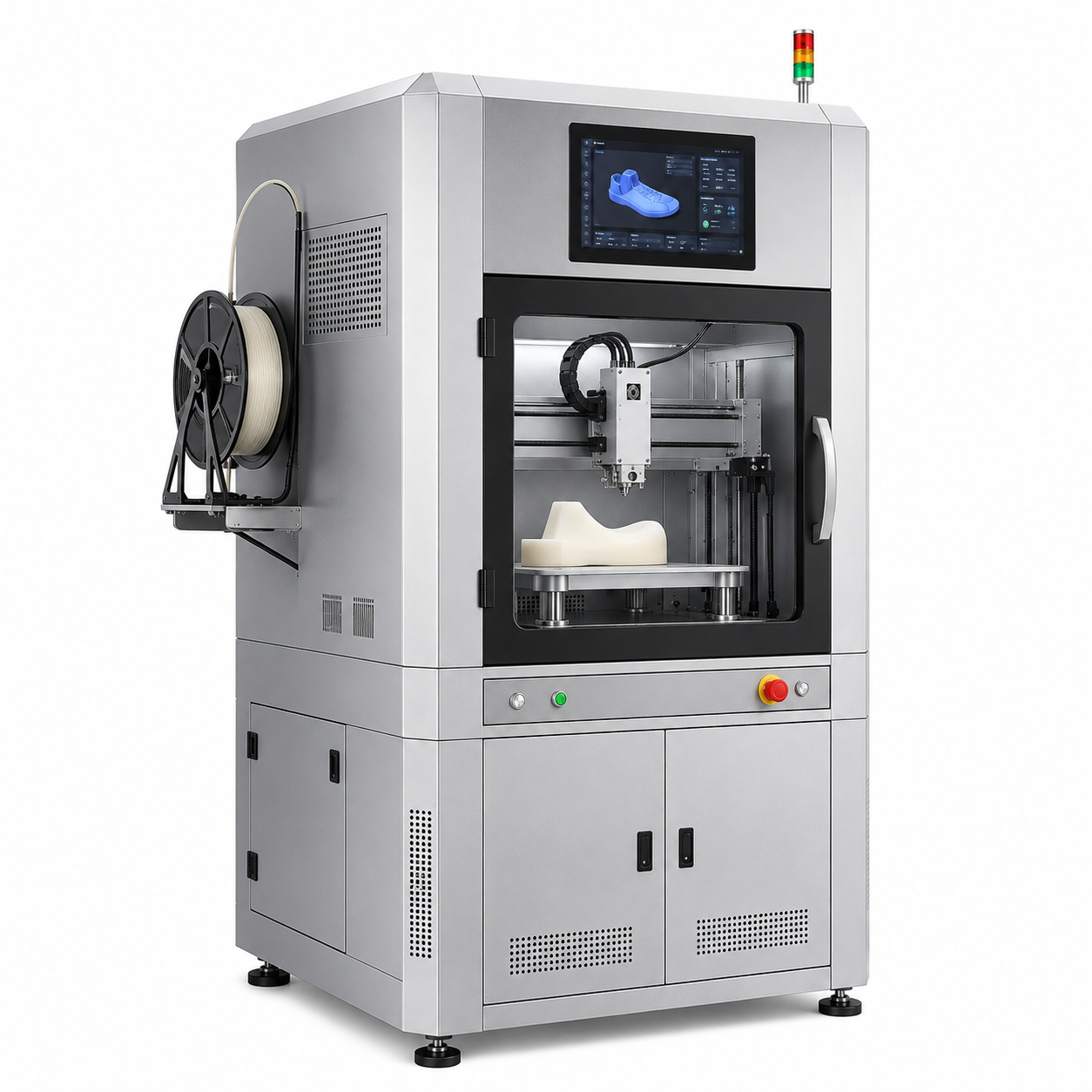
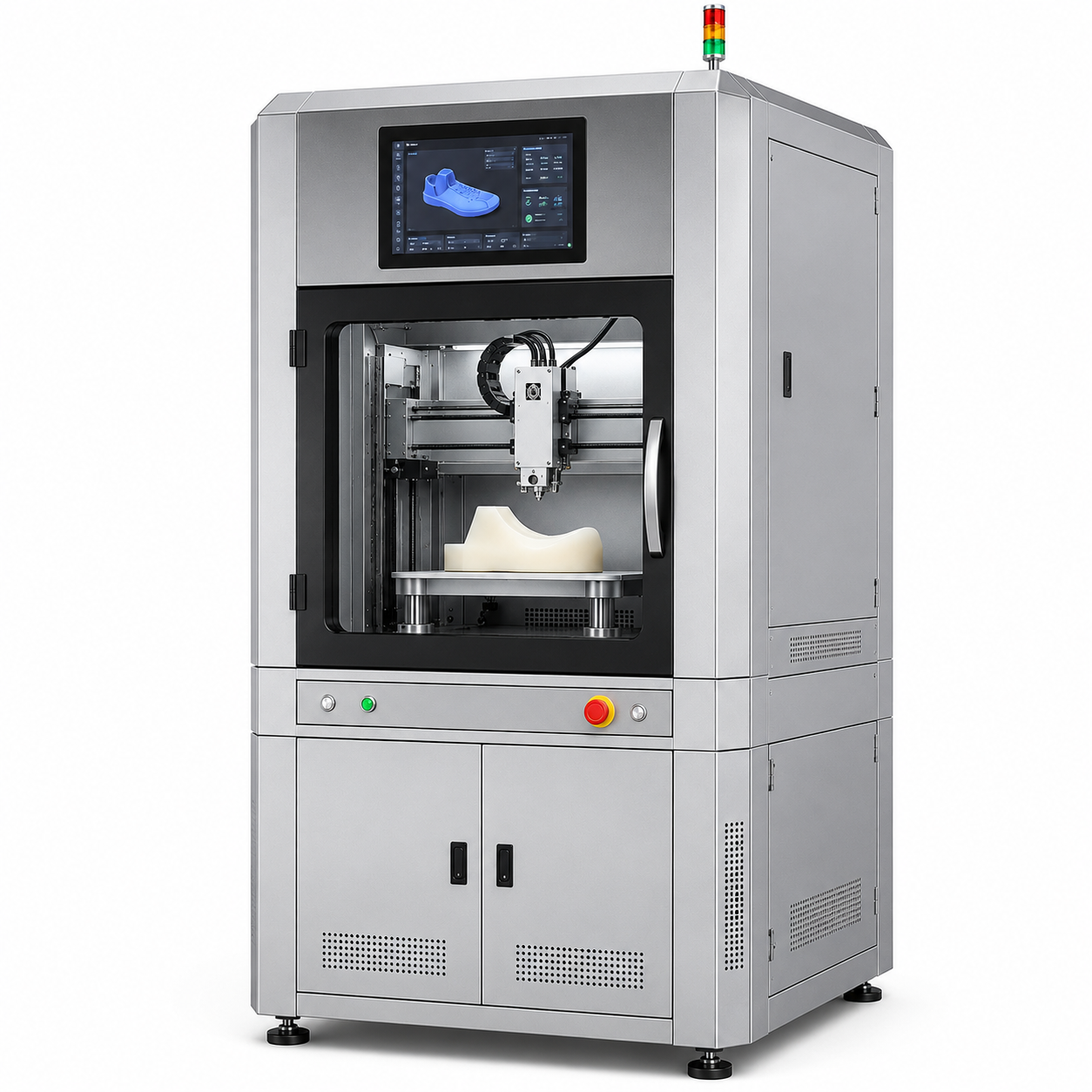
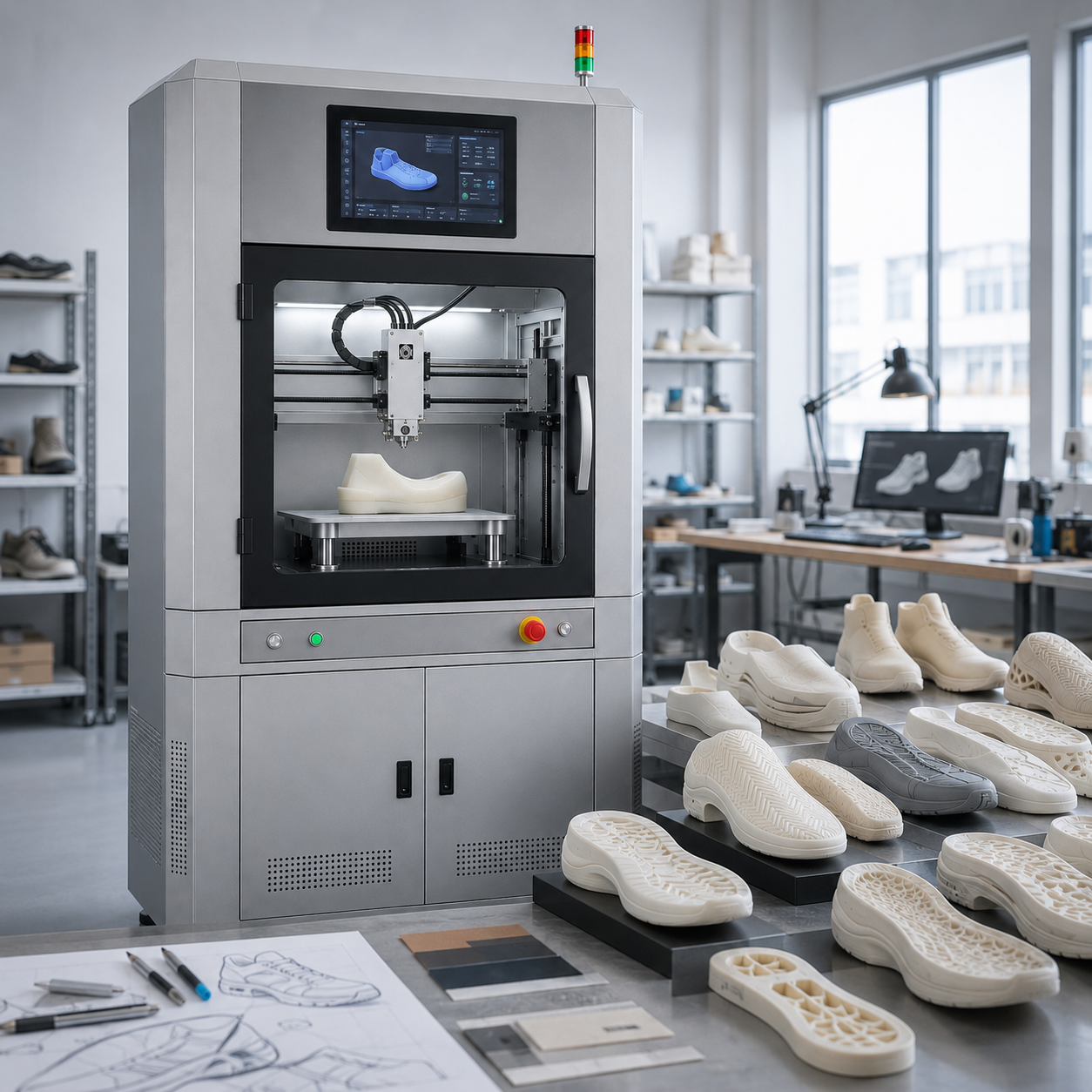
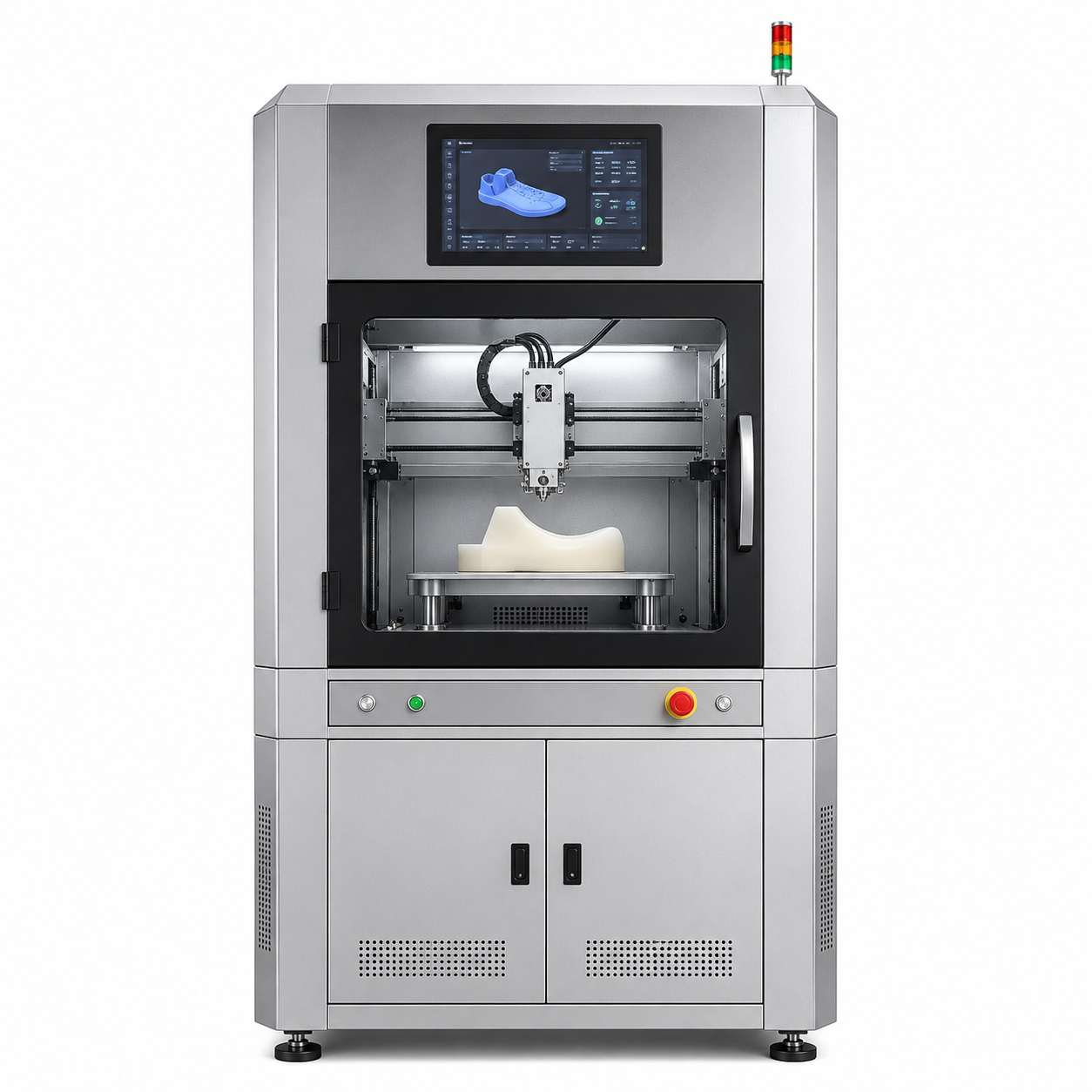
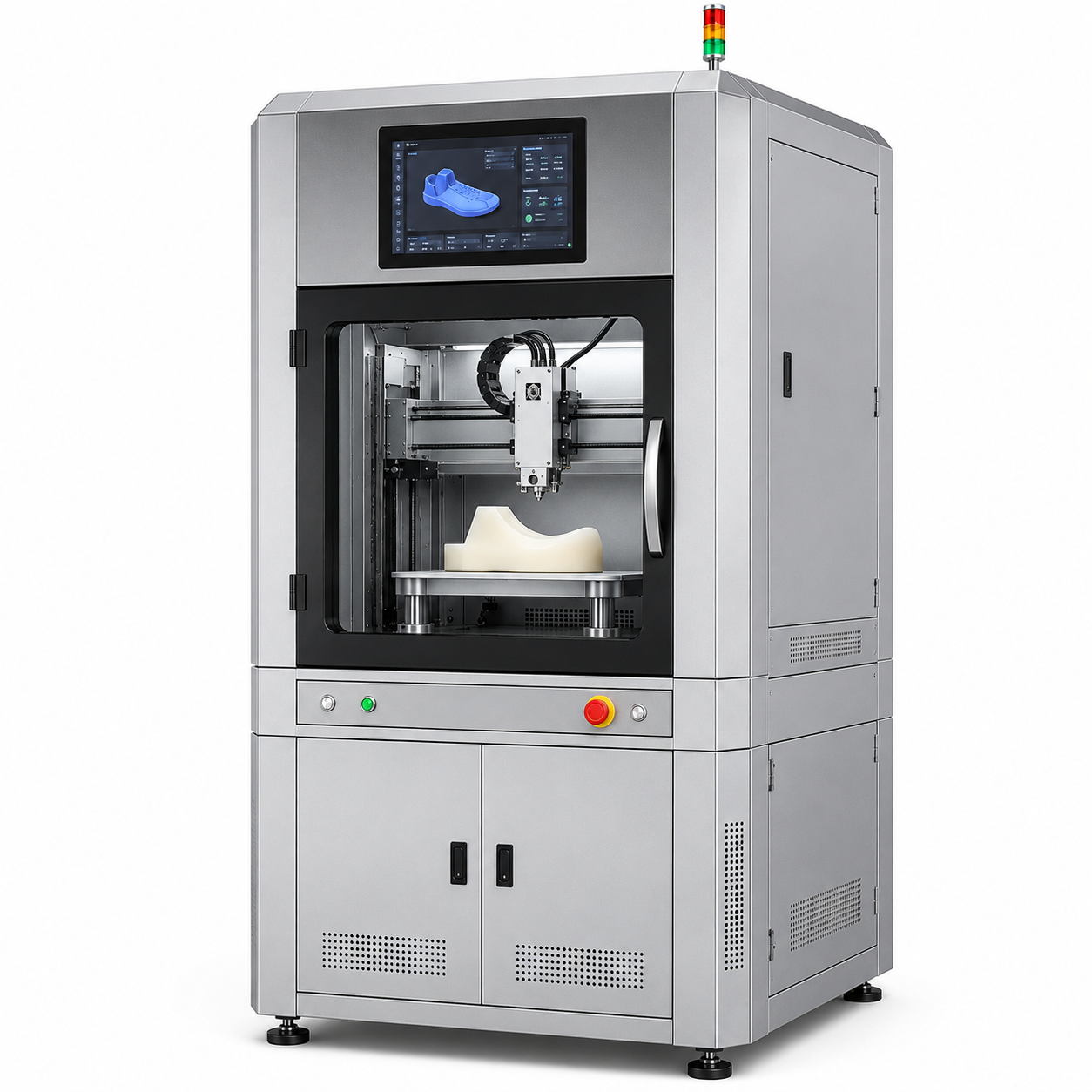
Industrial SLA UV Resin 3D Printing Machine, high precision equipment for footwear shoe die mold and sneaker pattern prototyping for Shoe Mold Manufacturing
Booth| Model Number | SM400 / SM600 |
| Brand | GISMA Guangzhou |
| Dimension(L*W*H) | 680×720×1650mm / 820×760×1700mm |
| Net Weight | 260 KG / 330 KG |
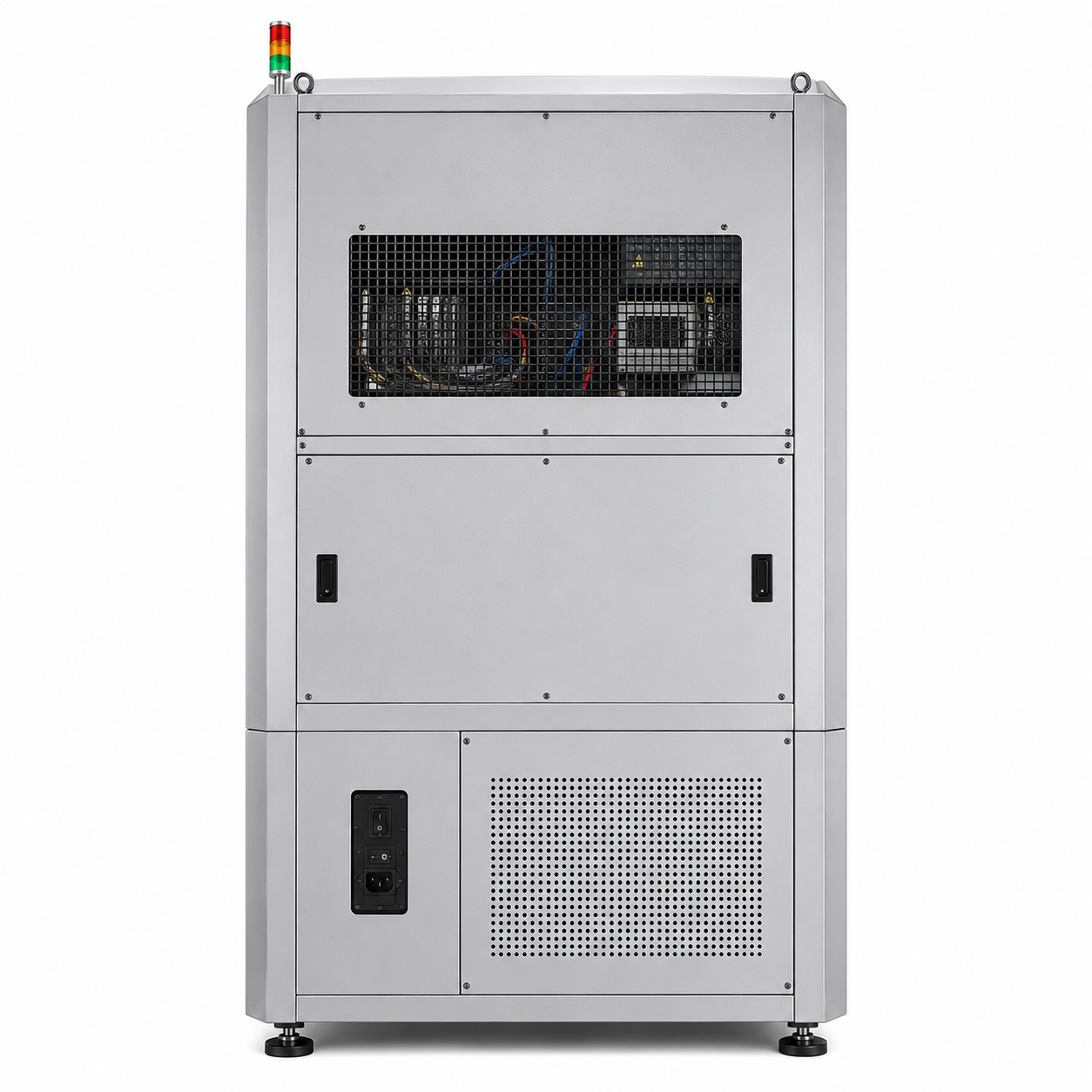
| Voltage | AC220V 50Hz |
| Power | 1.2 KW |
Industrial SLA UV Resin 3D Printing Machine
Model:SM400 / SM600
Specification SM400 SM600 Effective Printing Size 400×400×450 mm 600×600×500 mm Printing Speed Smooth adjustable speed, fastest 120mm/s Smooth adjustable speed, fastest 120mm/s Drive Parts Silent timing belt + high precision metal slide rail Silent timing belt + high precision metal slide rail Printing Accuracy ±0.03 mm smooth model surface ±0.03 mm smooth model surface Layer Thickness Range 0.02mm - 0.15mm adjustable 0.02mm - 0.15mm adjustable Max Printing Material Thickness Solid integrated molding, no thickness limit for single mold Solid integrated molding, no thickness limit for single mold Smallest Printing Detail Line Φ0.12 mm fine pattern Φ0.12 mm fine pattern Model Fix Way Heated flat platform with auto leveling Heated flat platform with auto leveling Printing Head Single stable high-temperature print head Dual stable high-temperature print head Working Power 1.2 KW 1.6 KW Working Voltage AC220V 50Hz AC220V 50Hz Support File Types STL, OBJ, 3MF common 3D design files STL, OBJ, 3MF common 3D design files Operation Screen Touch screen Touch screen Machine Size (L×W×H) 680×720×1650mm 820×760×1700mm Wooden Box Size (L×W×H) 740×780×1730mm 880×820×1780mm Net Weight 260 KG 330 KG Gross Weight 290 KG 370 KG
3D Shoe Mold 3D Printer
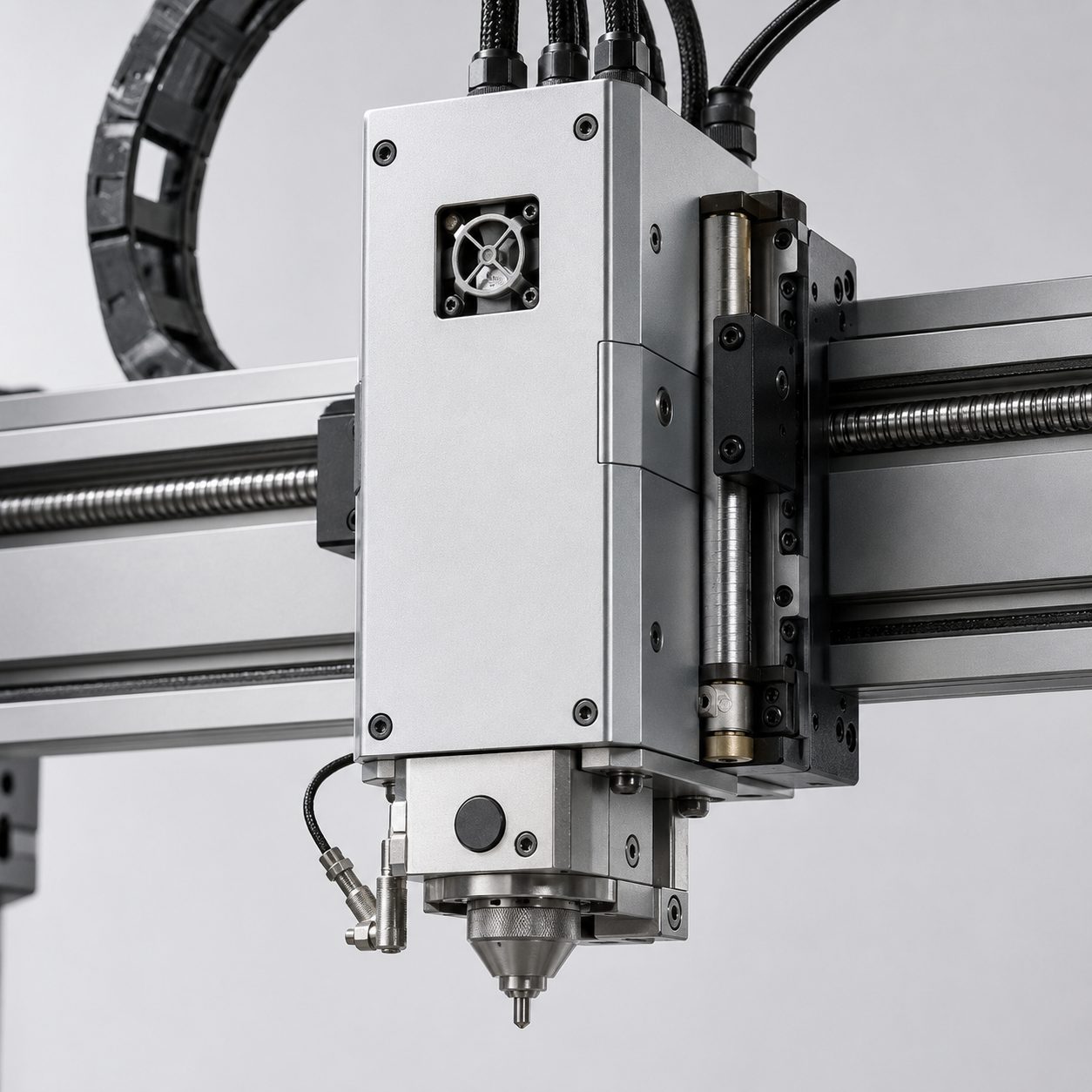
This printer adopts silent belt and slide rail transmission structure, featuring low operation noise and long service life. The printing speed is freely adjustable, compatible with thin pattern printing and thick mold forming. The equipment is equipped with an integrated high-temperature print head without replaceable accessories, paired with an auto-leveling heated build plate to effectively prevent warpage of printed materials caused by uneven heating.
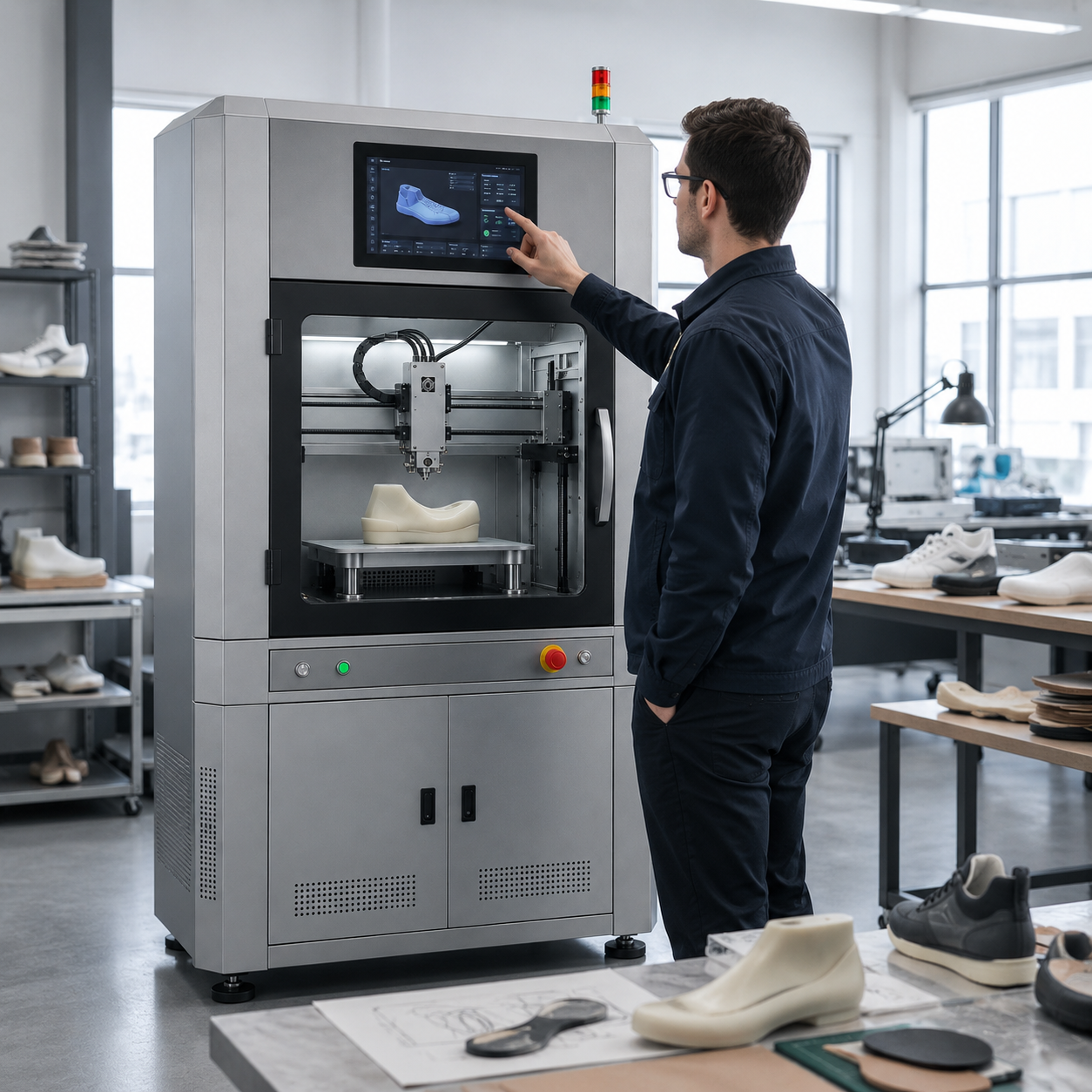
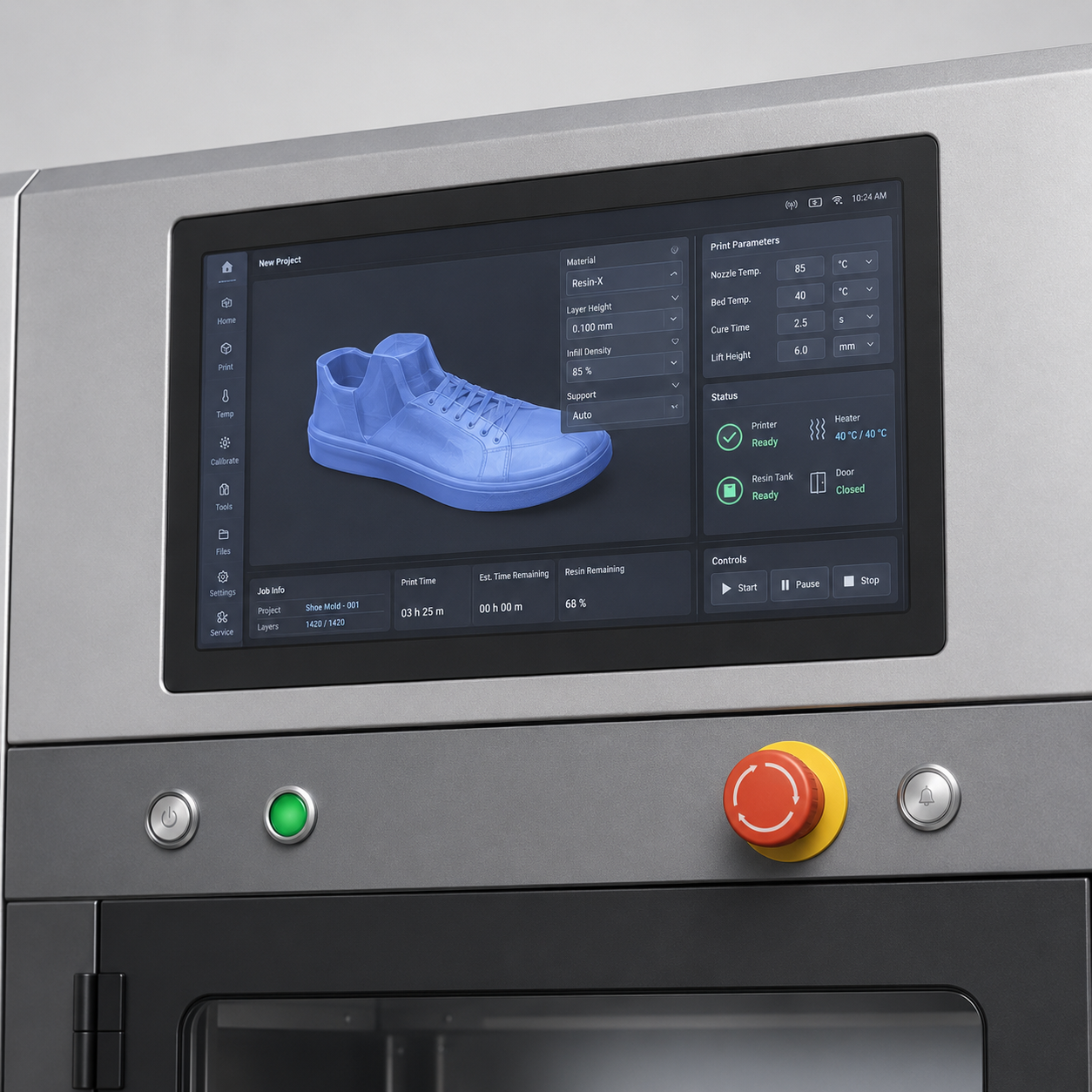
The whole machine supports one-click printing; conventional shoe molds can be fully processed within 1 to 4 hours. A built-in multi-mold nesting layout program saves 15% to 22% of printing consumables. The matching touch display screen allows operators to quickly adjust all printing parameters, enabling molding and printing of fine lines, solid structures, hollow cutouts and various complex shoe structures. The printer can directly read all commonly used 3D design files on the market without additional format conversion. The machine cover and internal components are detachable for convenient daily cleaning and fault maintenance. Metal moving parts are pre-lubricated at the factory, effectively cutting maintenance costs during long-term use. It is also equipped with a visual fault reminder system for rapid fault location and troubleshooting in case of equipment abnormalities.
This professional 3D printer for shoe molds boasts a wide range of applicable scenarios, including shoe factories, shoe mold processing plants, luggage accessory manufacturers, sports product design studios and gift model manufacturing enterprises. Compatible printing consumables include PLA, ABS, resin and various rigid materials for mold fabrication. It is mainly used for prototype sampling of new shoe styles and small-batch mold production, capable of manufacturing sample molds for leather shoes, sneakers, children’s shoes, safety work shoes, insoles and all kinds of decorative shoe accessories. The printing layer height and printing power can be flexibly adjusted to fit raw materials with diverse properties. The finished molds feature smooth surfaces and high dimensional accuracy, fully meeting strict production quality requirements of major shoemaking manufacturers.
The equipment features standardized and complete operating procedures. Before startup, inspect the machine power supply, print head and material rack. Adjust printing speed, layer height and heated plate temperature according to the hardness of printing materials. Print small sample test pieces before mass mold production. Lay printing materials flat on the heated build plate and start the printing program after confirming all parameters are correct. Clean residual printing waste inside the machine and cut off the equipment power supply after completing all daily operations.
For equipment installation, place the whole machine on flat and solid ground, and reserve sufficient space around the machine for heat dissipation and later maintenance. Connect a 220V AC power supply with reliable ground wire. Assemble the print head, material rack and heated plate in strict accordance with the supporting operation manual. Complete a 5 to 10 minute no-load trial run after assembly, import 3D sample files and finish debugging of all printing parameters. The equipment is equipped with complete maintenance and overhaul standards. Daily maintenance includes timely cleaning of internal residual printing waste, inspection of print head operation status and flatness of the heated plate.
Weekly maintenance requires checking the wear condition of belts and slide rails, and synchronously testing whether the touch screen fault reminder system operates normally. Monthly maintenance involves deep cleaning of the internal printing chamber and refilling lubricating oil for metal moving transmission parts. Maintenance operations shall follow unified specifications; troubleshoot all faults according to graphic prompts on the screen. Cut off the main power supply of the whole machine before disassembling any components for maintenance, and regularly replace aging and worn print heads to continuously and stably guarantee mold printing precision.
For frequently asked customer questions, mainstream SEO product names of this special printer for shoe molds include shoe mold 3D printer, industrial SLA stereolithography 3D printer, high-precision 3D printing equipment for shoe molds, UV resin 3D printer for shoe molds, specially used for hand-made prototype sampling of various shoe molds. The equipment can process prototype molds for leather shoes, sneakers, children’s shoes, safety work boots, insoles and all kinds of shoe decorative accessories.
We launch two upgraded industrial SLA stereolithography 3D printer models SM400 and SM600 for shoemaking factories, respectively adapting to new shoe sample development and mass mold production. In terms of consumables, it is compatible with PLA, ABS and UV rigid resin, as well as all mainstream shoe 3D design software on the market. No extra format conversion is required after importing drawings. The built-in intelligent multi-mold layout function reduces consumable consumption by 15% to 22%, and leftover printing consumables can be collected, recycled and reused in subsequent production. This industrial-grade SLA 3D printer can fully print shoe molds with complex textures and structures, supporting fine grain textures, solid thick layers, hollow patterns and all kinds of special-shaped shoe mold shapes, with printing speed flexibly adjustable on demand.
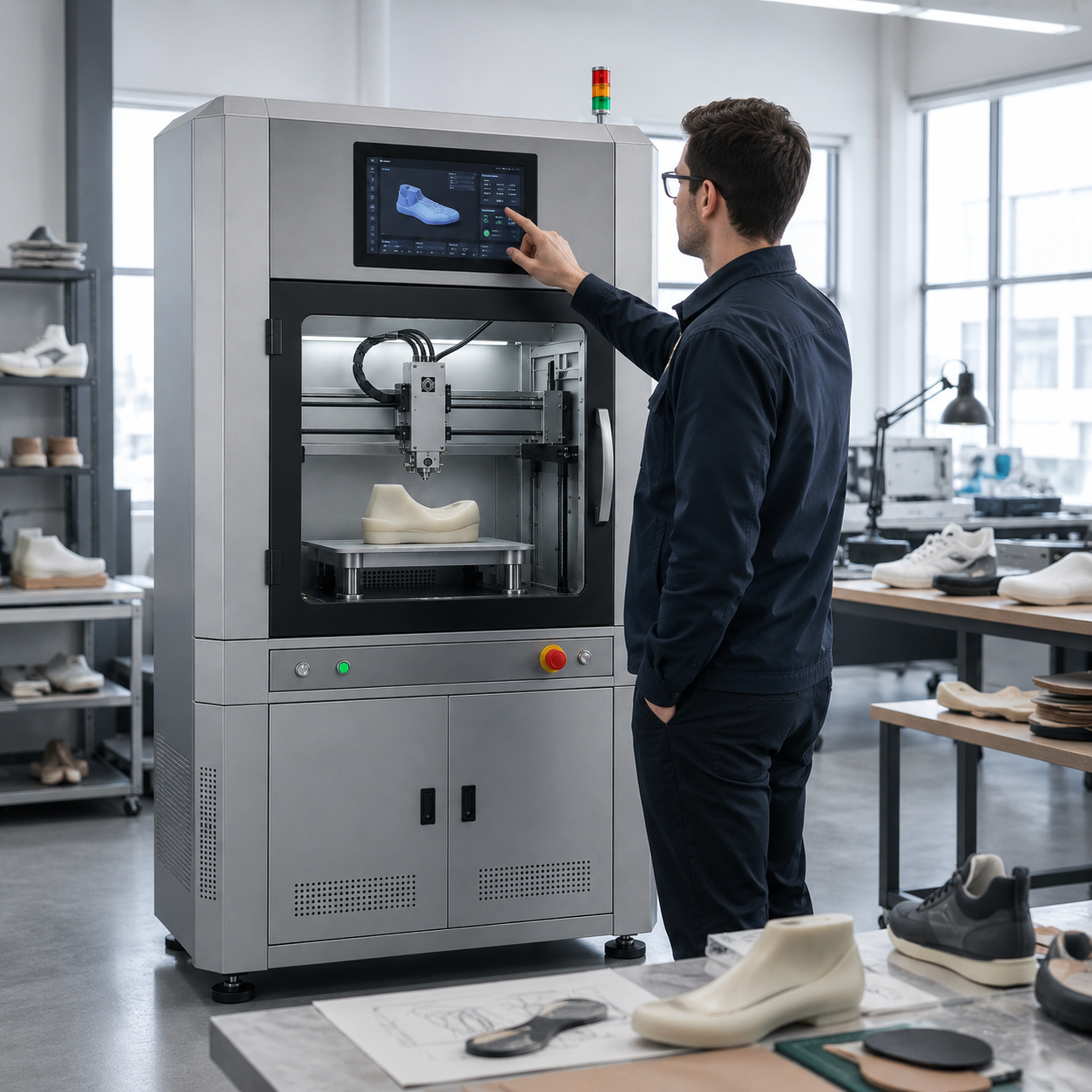
The whole machine is equipped with one-click printing function with simple and quick parameter setting; zero-basics new workers in workshops can quickly get started and operate independently. Stable mechanical structures including silent wear-resistant belt slide rails, integrated constant-temperature print heads and auto-leveling heated molding plates can effectively extend equipment service life and avoid material deformation during long-hour printing operations.
Daily workshop maintenance is divided into fixed-cycle operations: clean residual consumables daily, check wear of transmission structures weekly, clean the material tank and add lubricating oil monthly. Timely replace worn print heads to stably maintain printing precision. All equipment usage shall comply with relevant environmental protection and recycling specifications. First, centrally collect and recycle leftover resin and plastic printing consumables. Second, deliver damaged print heads and various metal accessories to professional recycling agencies for treatment. When the equipment reaches its service life for scrapping, disassemble metal and plastic machine components and dispose of them uniformly and compliantly in accordance with local environmental protection requirements.