
Microfiber Leather For Shoe Upper, Wear Resistant Breathable Micro Fiber Material For Sneaker
Booth| Model Number | ML-10 / ML-14 |
| Brand | GISMA Guangzhou |
| Net Weight | 21.9 KG / 28.8 KG |
Microfiber Leather For Shoe Upper, Wear Resistant Breathable Micro Fiber Material For Sneaker
| Specification | ML‑10 Standard Breathable Grade | ML‑14 Enhanced Wear‑Resistant Grade |
|---|---|---|
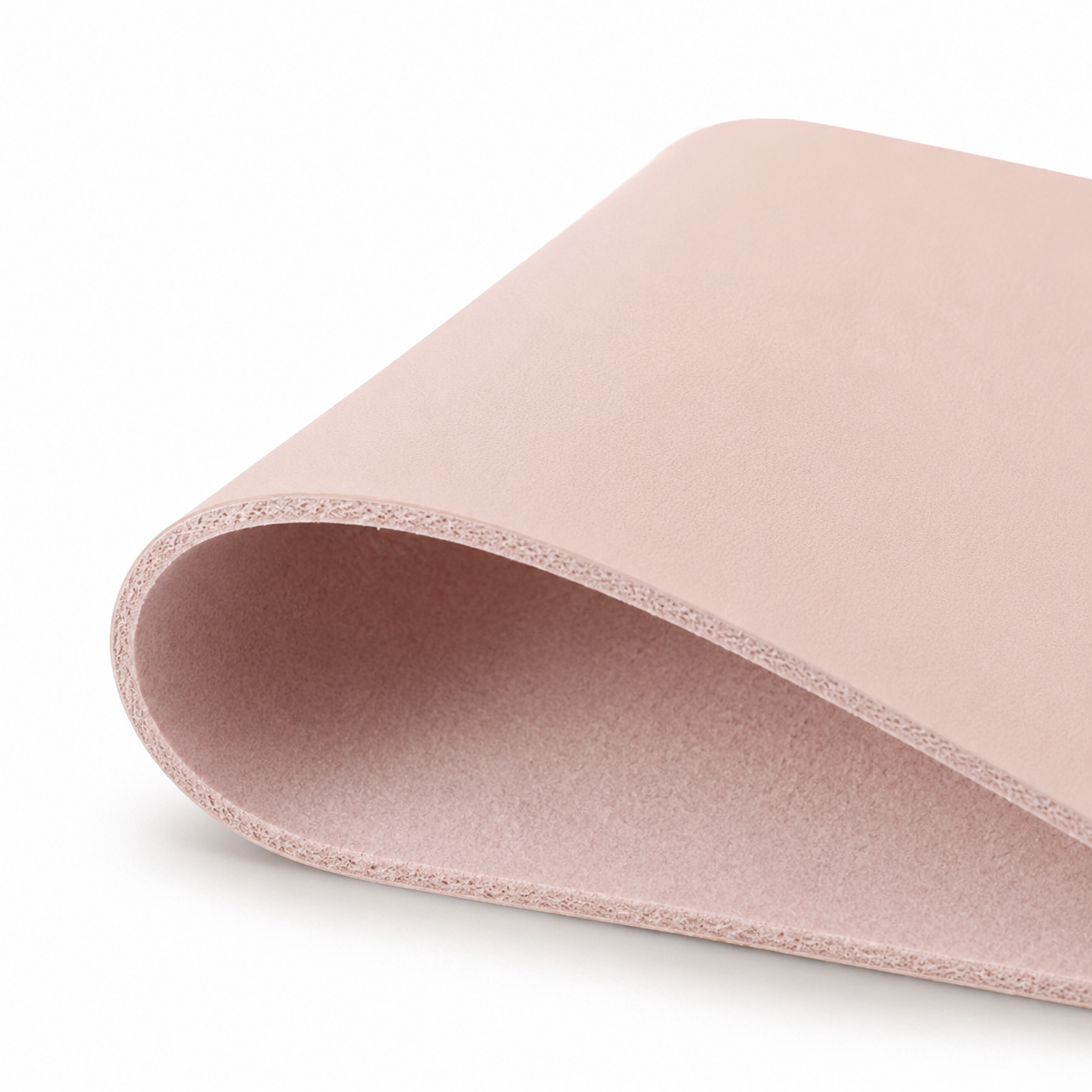
| Material Structure | High‑density micro‑fiber base + PU top layer | High‑density micro‑fiber base + PU top layer |
| Standard Width | 137 cm | 137 cm |
| Fabric Thickness | 1.0 mm | 1.4 mm |
| Grammage | 320 g/m² | 420 g/m² |
| Martindale Abrasion Resistance | ≥20,000 cycles | ≥35,000 cycles |
| Air Permeability | ≥120 mm/s | ≥80 mm/s |
| Flex Resistance | ≥60,000 cycles without cracking | ≥100,000 cycles without cracking |
| Color Fastness (Rubbing / Washing) | Grade 4‑5 | Grade 4‑5 |
| Applicable Processes | Die cutting, laser cutting, sewing, edge folding, hot pressing | Die cutting, laser cutting, sewing, edge folding, hot pressing, embossing |
| Standard Color | Apricot pink (custom colors available) | Apricot pink (custom colors available) |
| Packaging | Roll packed with PE film + outer woven bag | Roll packed with PE film + outer woven bag |
| Standard Roll Length | 50 m/roll | 50 m/roll |
| Net Weight Per Roll | 21.9 kg | 28.8 kg |
| Gross Weight Per Roll | 23.5 kg | 30.5 kg |
| Package Dimension (Dia.×Length) | Φ30 cm × 141 cm | Φ34 cm × 141 cm |
Microfiber Leather For Shoe Upper
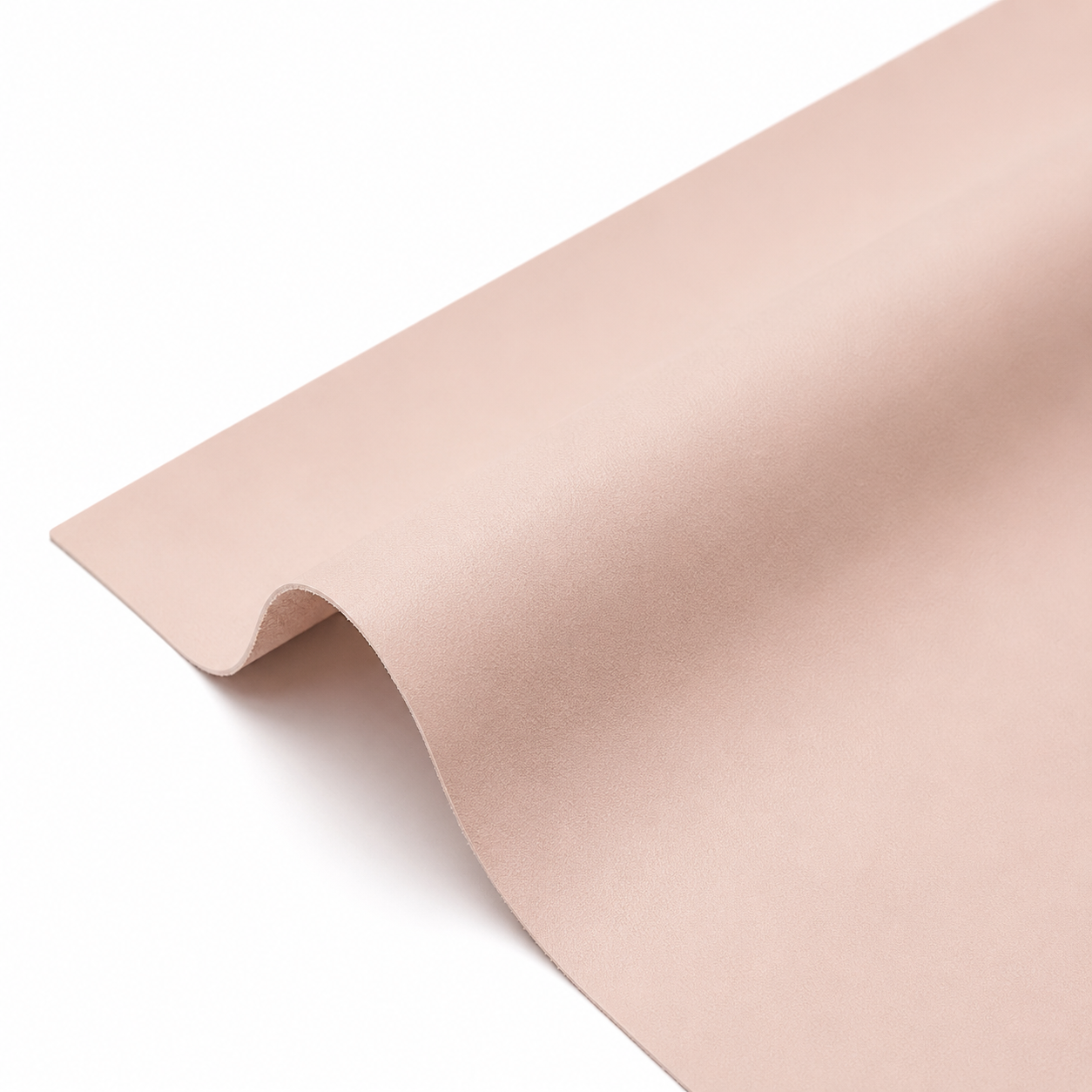
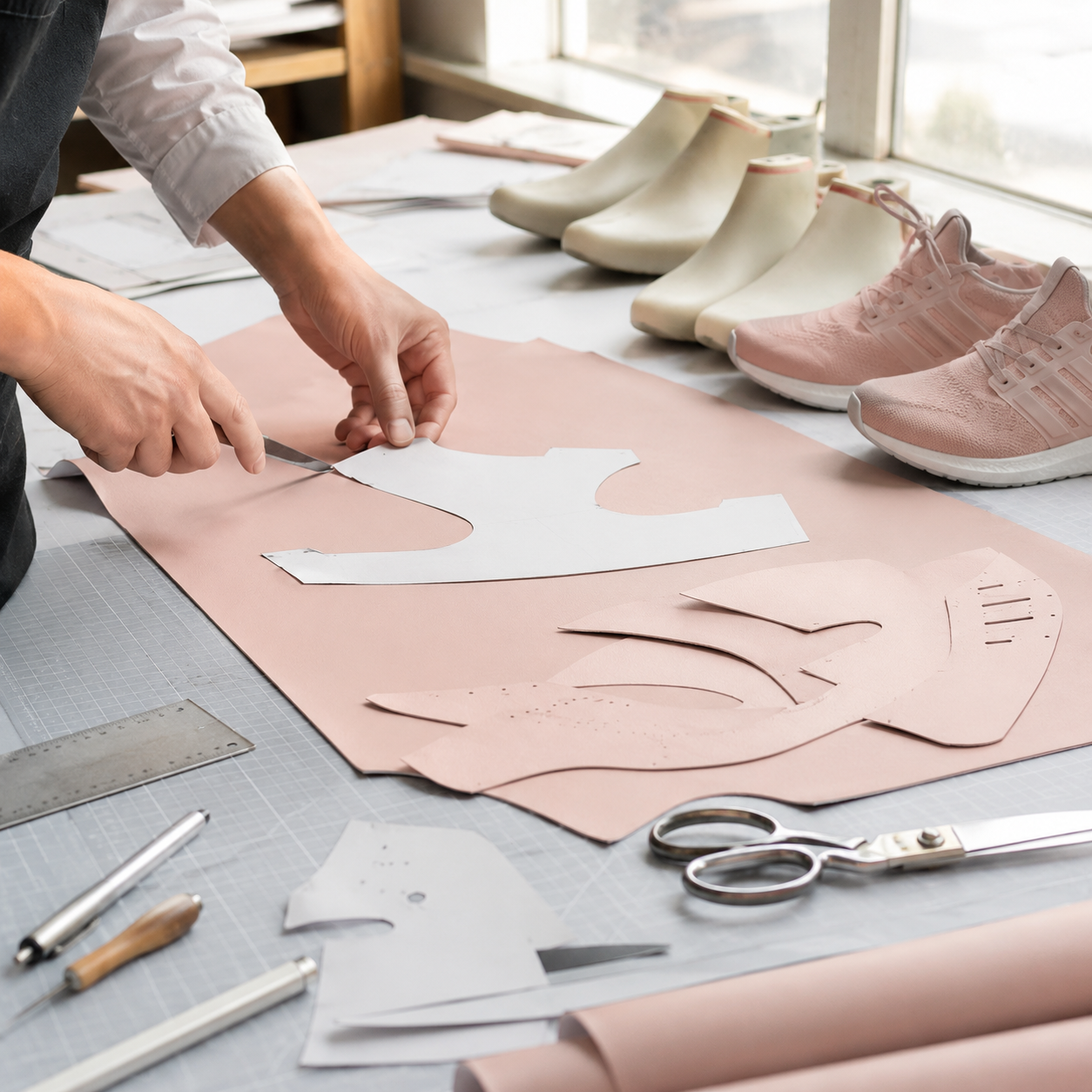
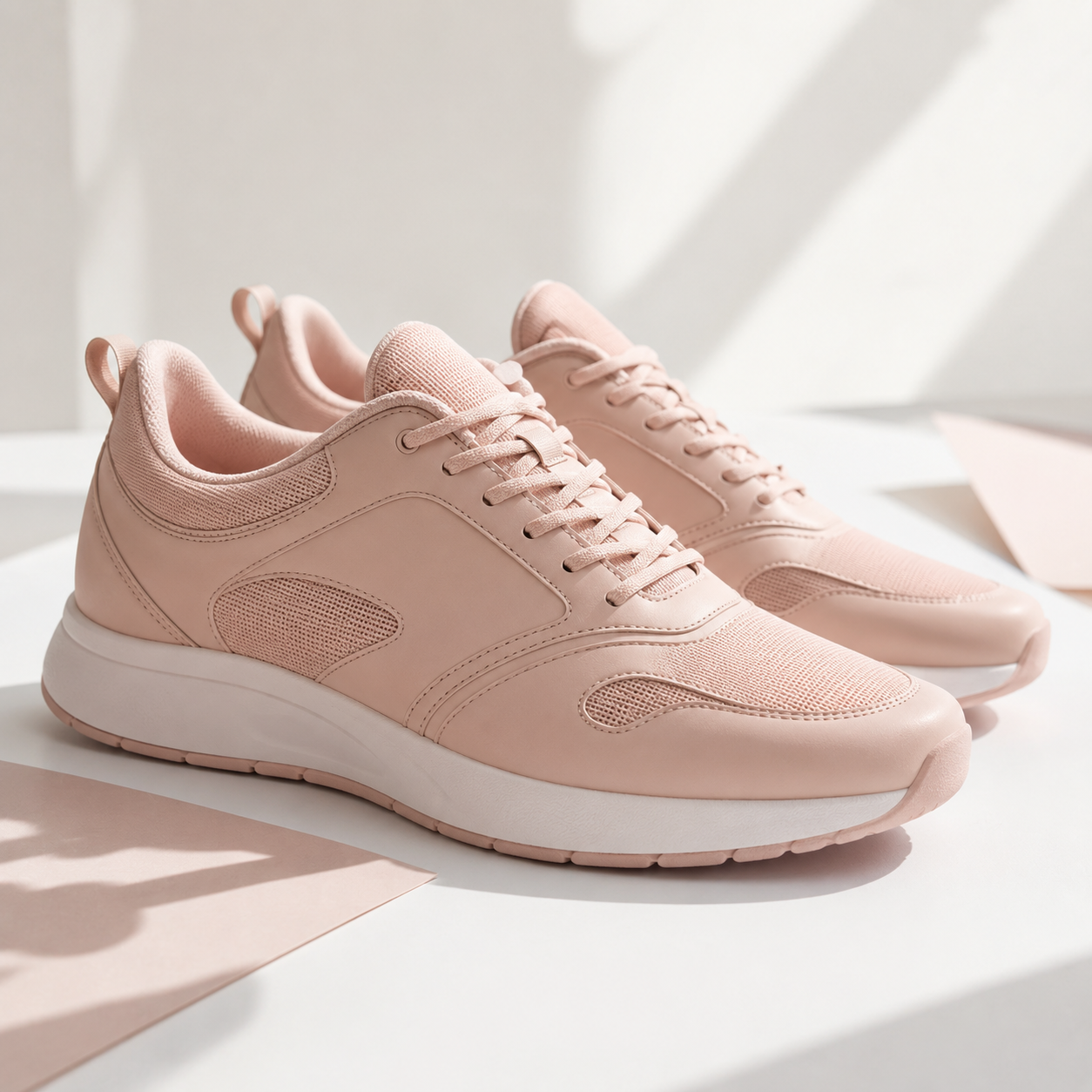
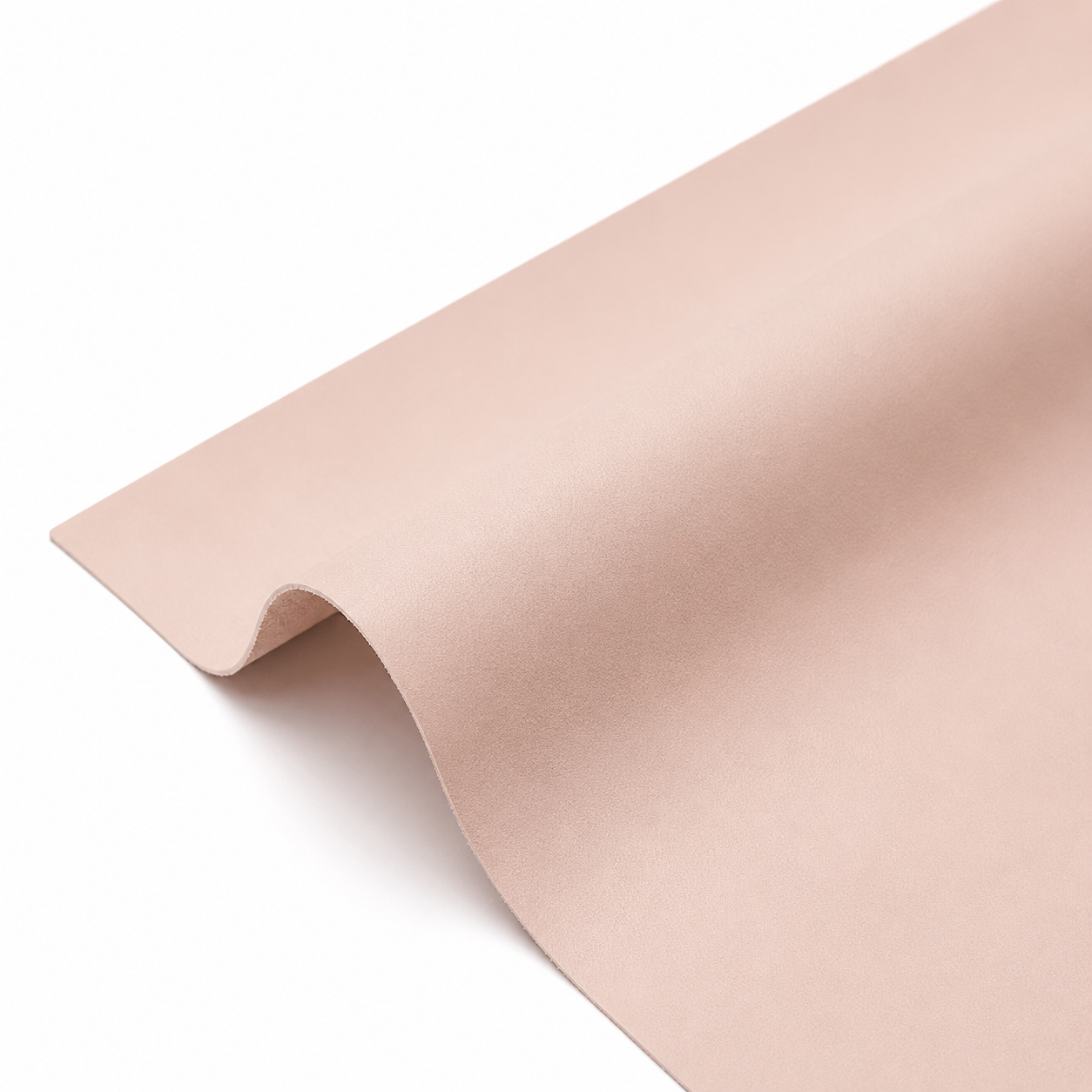
This material delivers a delicate and smooth surface with genuine‑leather tactile feeling, greatly enhancing visual and haptic quality of sports shoe uppers. Constructed with high‑density micro‑fiber base combined with wear‑resistant top layer, it achieves outstanding flex‑resistance and anti‑abrasion capacity to withstand high‑frequency wear during daily sports. Internal fibrous micropore channels provide favorable breathability and effectively relieve stuffiness and discomfort caused by long‑time shoe wearing. It features stable color fastness and resists discoloration under rubbing and washing, maintaining uniform surface color without mottling in long‑term service. Uniform roll‑thickness and excellent dimensional stability ensure minor dimensional deviation in batch cutting for direct compatibility with fully‑automatic cutting production lines. Strict cross‑batch color‑difference control and high visual consistency within single batches guarantee neat appearance for large‑volume finished‑shoe production. Compatible with mainstream shoemaking processes including die cutting, laser cutting, sewing, edge folding and hot pressing, it requires no parameter modification for existing production‑line equipment. Free from natural leather defects such as scars, insect holes and skin spots, the fabric brings higher nesting utilization rate and substantially reduces raw‑material loss. Formulated with low‑odor eco‑friendly raw materials, it complies with general footwear‑material environmental test standards and is suitable for long‑duration mass processing in workshops. Superior hydrolysis‑resistance and mildew‑proof performance outperform genuine leather, resisting mildew and deterioration under humid‑storage conditions and hot‑humid wearing environments. Boasting smooth and clean surface, it presents sharp and three‑dimensional patterns after printing and embossing, supporting diverse upper‑decoration processing techniques.
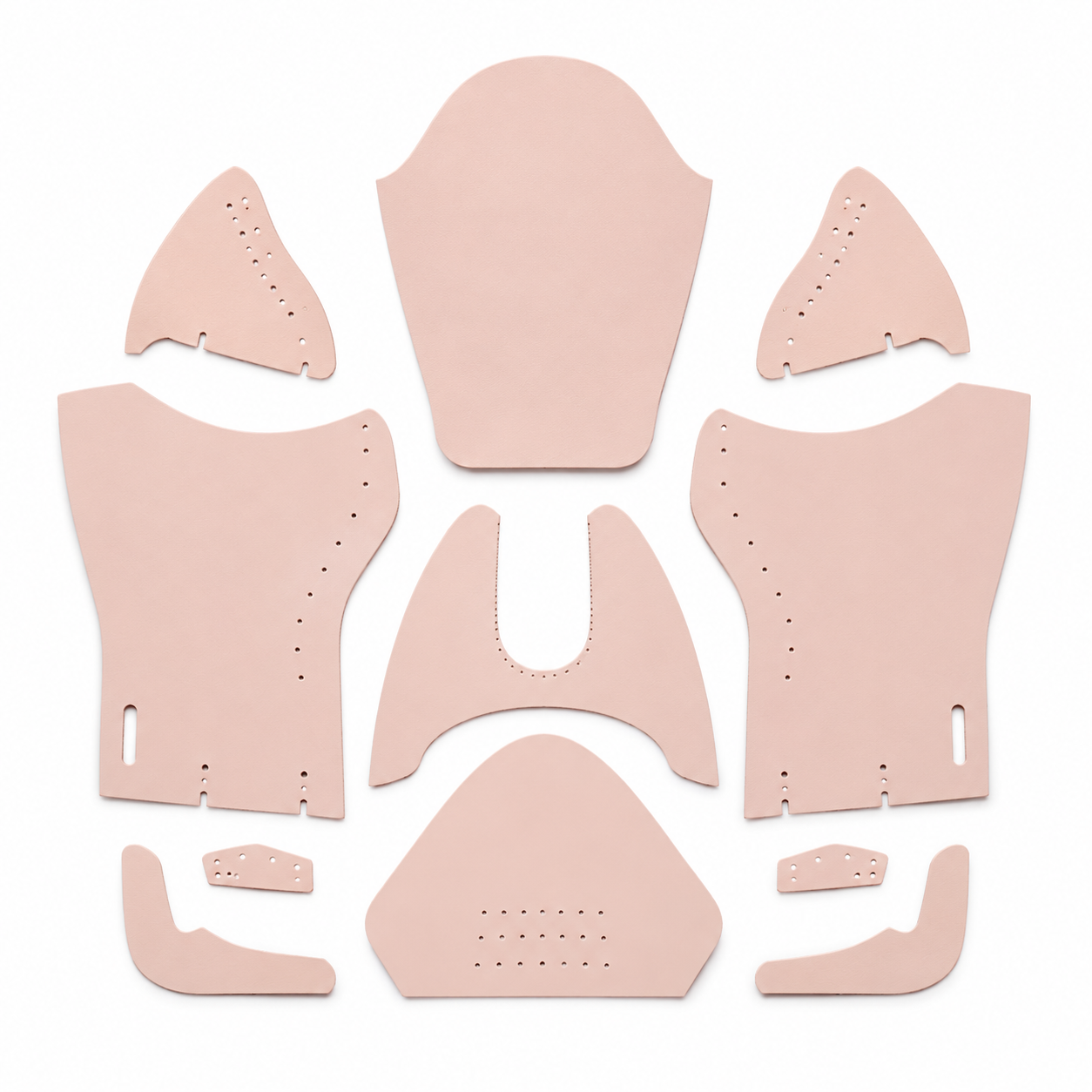
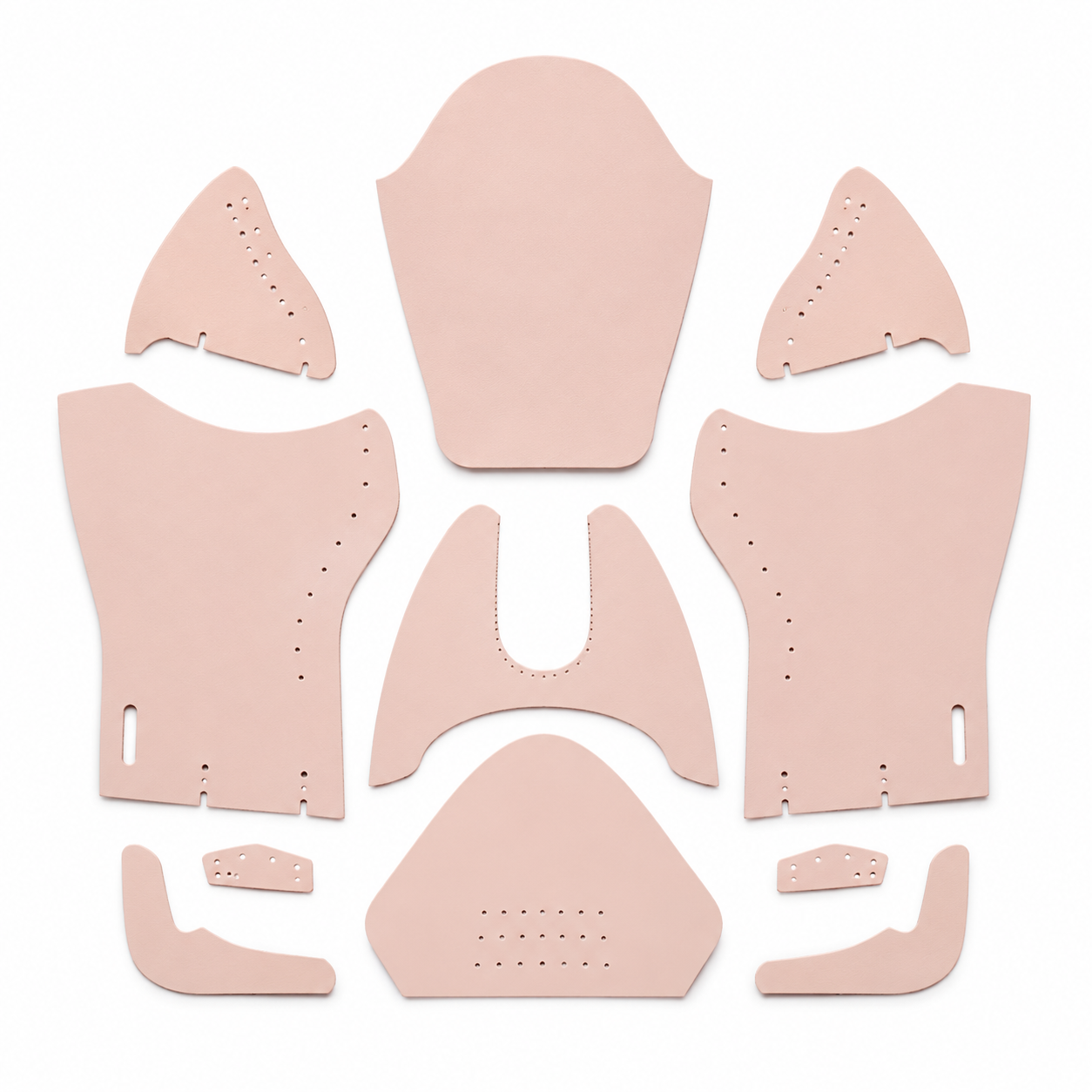
This micro‑fiber upper leather is suitable for sports shoe manufacturers, automatic casual‑shoe production lines, footwear‑material suppliers and leather‑goods processing workshops. It is widely used for blanking and processing of sports shoe uppers, tongues, side panels, heel cushions, collar linings and decorative patches, and supports scaled mass production of sports shoes, casual shoes, training shoes and children’s shoes. Mostly applied on high‑friction stress‑bearing zones of shoe uppers, it balances durability and breathability. Two standard thickness grades are offered to fit different shoe components. Featuring homogeneous texture and stable wear resistance, the material meets dual mass‑production requirements for appearance quality and finished‑product durability in the shoemaking industry.
Standard Processing Guidelines: Inspect surface color and thickness uniformity before cutting and commence production only after quality confirmation. Select die cutting or laser cutting according to pattern intricacy and adjust processing parameters properly to avoid burnt or deformed cutting edges. Conduct small‑sample trial tests for sewing and hot‑pressing before mass production to verify sewing tension and processing temperature. Align fabric grain direction for each pair of shoes to prevent visual color difference caused by grain deviation. Collect and classify clean cutting scraps for secondary processing into small shoe accessories and decorative patches.
Periodic Storage Maintenance Specifications: Control warehouse humidity during routine inspection, keep fabric away from oil stains and corrosive chemicals, and check the intactness of outer packaging. Examine roll‑edge tightness on a monthly basis, prioritize mildew prevention during plum‑rain season, and gently remove surface dust. Avoid prolonged contact with sharp cutters and dies during workshop processing; strictly control hot‑press temperature to prevent thermal shrinkage and deformation.
Eco‑Friendly Recycling Notice: Collect and classify clean production scraps for recycling and reuse. Dispose of non‑reusable waste fabric in accordance with local environmental regulations.
Frequently‑Asked Technical Summary: This high‑performance material for durable sports shoe uppers is formally named micro‑fiber leather for shoe uppers, also known as breathable micro‑fiber leather or artificial micro‑fiber shoe material. It is a high‑performance genuine‑leather substitute specially developed for sports‑shoe and casual‑shoe uppers. This micro‑fiber leather can be fabricated into shoe toe caps, tongues, side panels, heel supports, collar linings and decorative patches, covering major visual and stress‑bearing components of footwear. It exhibits remarkable wear‑resistance; the enhanced grade achieves Martindale abrasion resistance ≥35,000 cycles to resist friction from daily walking and sports and extend upper service life. Inherent breathability is available for this micro‑fiber leather, with the standard grade reaching air permeability ≥120 mm/s, and fiber gaps form ventilation channels to mitigate in‑shoe stuffiness. Compared with natural leather, it has evident advantages including homogeneous texture without natural defects, higher nesting utilization rate, better mildew and hydrolysis resistance, and stable batch‑to‑batch quality, making it highly suitable for large‑scale factory assembly‑line production. Free from scars and defects, it greatly improves nesting efficiency, and cutting scraps can be recycled for small shoe‑accessory manufacturing to lower raw‑material consumption. Clean production scraps can be recycled for reprocessing, and discarded fabric shall be classified and treated in an environmentally sound way to reduce solid‑waste discharge and facilitate green circular‑production management for shoemaking factories.