
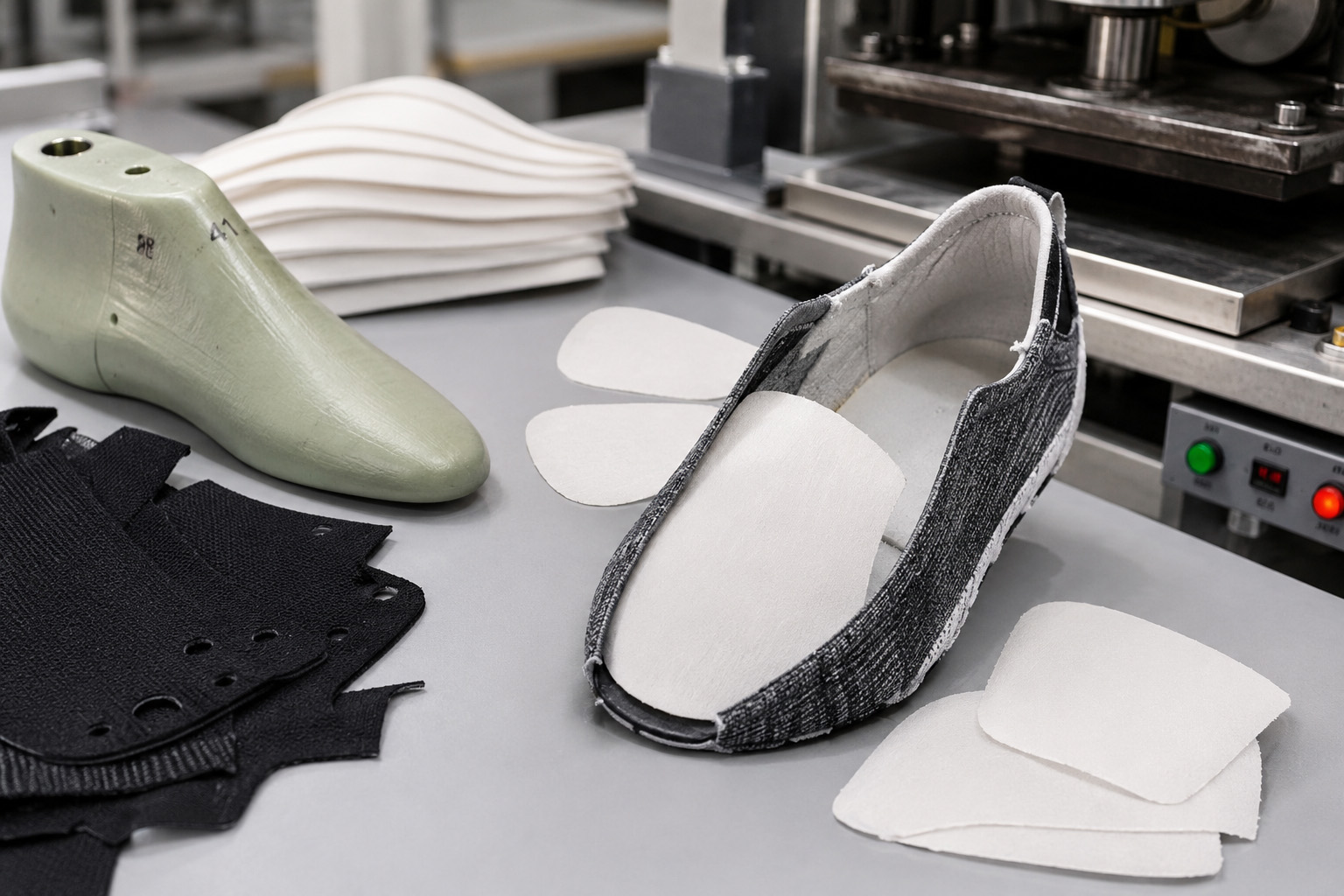
Hot Melt Shoe Counter Sheet, Low Temperature Hot Melt Toe Puff & Heel Counter For Shoe Toe & Heel Shaping
Booth| Model Number | HC-LT08 / HC-LT12 |
| Brand | GISMA Guangzhou |
| Net Weight | 1.4 KG / 2.0 KG |
Hot Melt Shoe Counter Sheet, Low Temperature Hot Melt Toe Puff & Heel Counter For Shoe Toe & Heel Shaping
| Specification | HC‑LT08 Thin Grade | HC‑LT12 Standard Grade |
|---|---|---|
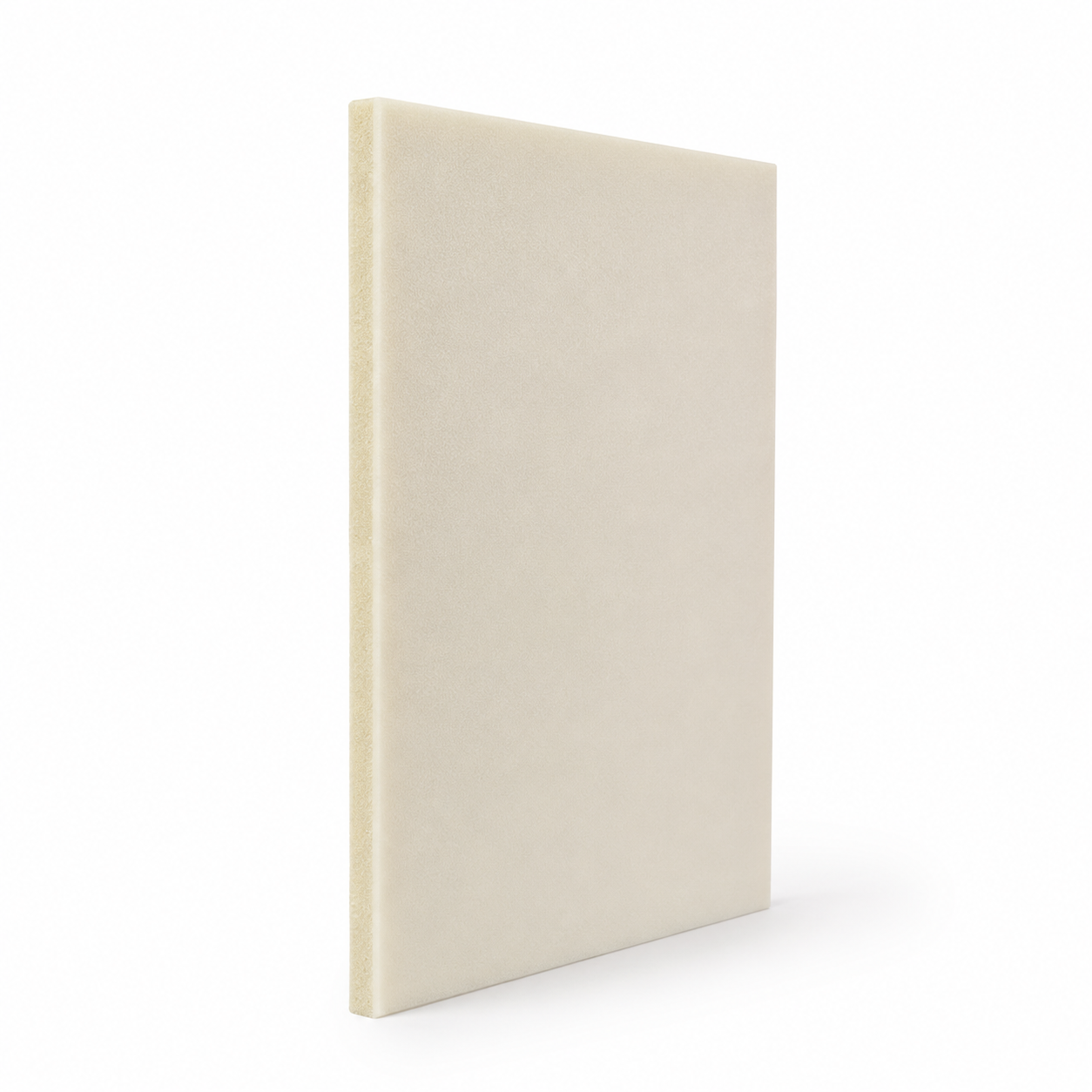
| Sheet Thickness | 0.8 mm | 1.2 mm |
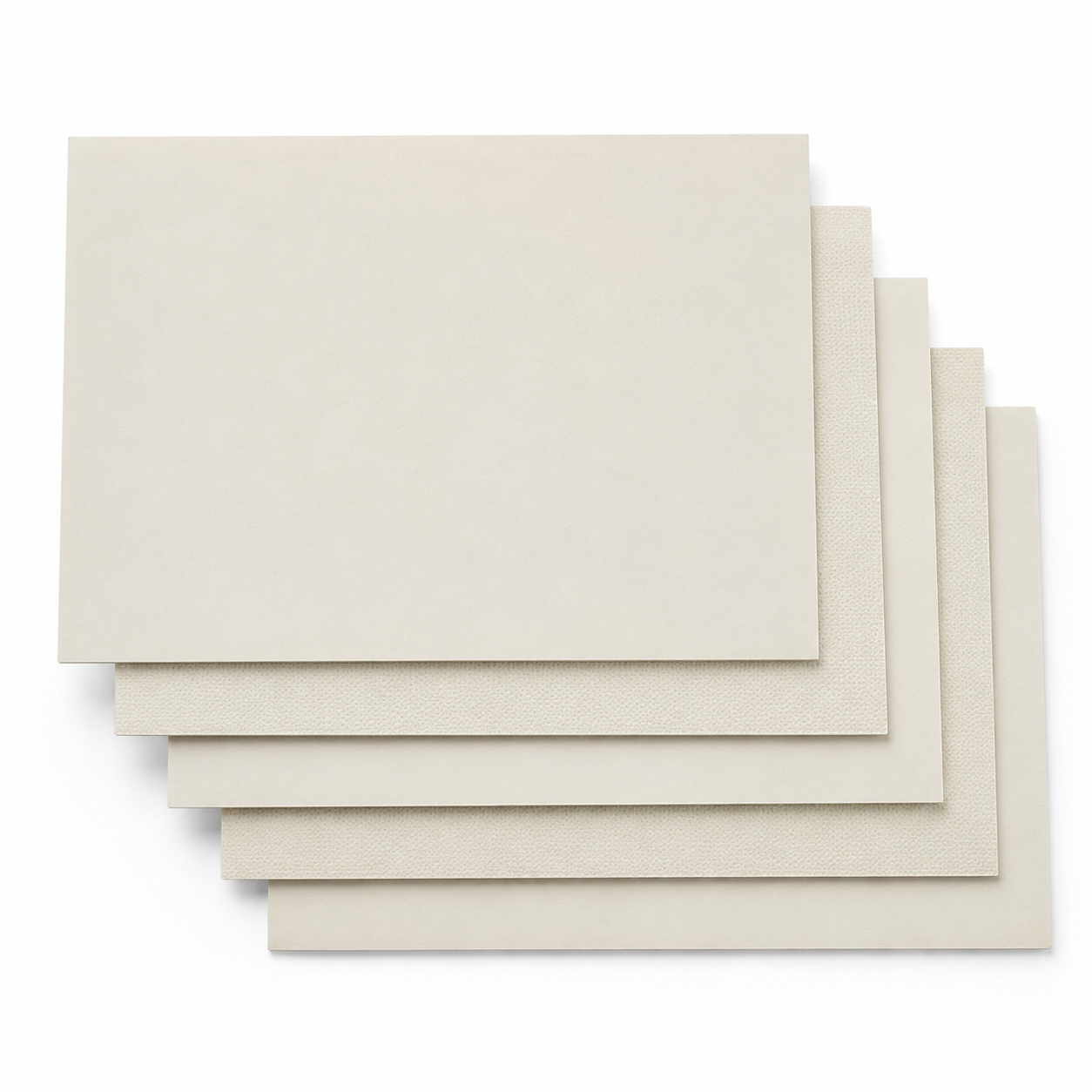
| Standard Sheet Size | 1000mm × 1500mm | 1000mm × 1500mm |
| Base Material | Polyester non‑woven fabric impregnated with low‑temperature hot‑melt adhesive | Polyester non‑woven fabric impregnated with low‑temperature hot‑melt adhesive |
| Activation Melting Temperature | 95‑110℃ | 95‑110℃ |
| Stiffness After Shaping | Medium soft‑firm | Medium rigid‑firm |
| Net Weight Per Sheet | 1.4 KG | 2.0 KG |
| Packing Method | Wrapped with PE waterproof film, stacked on pallet | Wrapped with PE waterproof film, stacked on pallet |
| Quantity Per Pallet | 250 pcs | 180 pcs |
| Pallet Dimension(L×W×H) | 1100×1600×800 mm | 1100×1600×800 mm |
| Gross Weight Per Pallet | 390 KG | 410 KG |
Hot Melt Shoe Counter Sheet
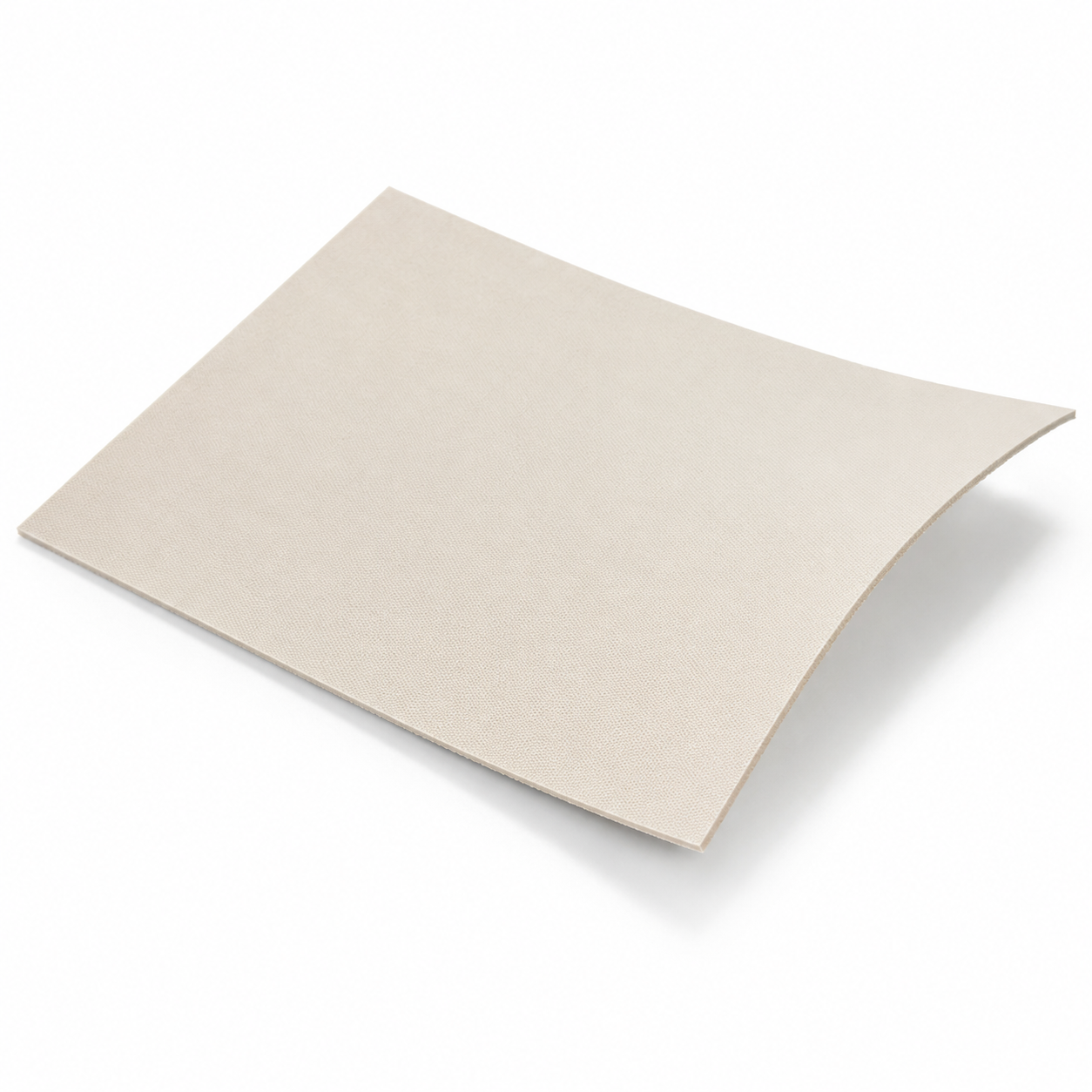
This low‑temperature hot‑melt non‑woven heel counter is developed with low‑activation‑temperature hot‑melt formula. Lower hot‑press activation temperature cuts workshop energy consumption and avoids the risk of upper fabric scorching under high‑temperature processing. The non‑woven substrate is evenly impregnated with hot‑melt adhesive. It delivers stable structure after hot‑press shaping and resists deformation and collapse under long‑term wearing compression. Moderate flexibility without brittleness enables perfect fitting for curved contours of shoe toe and heel for smooth rounded shoe shape. It features excellent adhesion to genuine leather, PU synthetic leather, canvas and fly‑knit mesh, and bonded joints resist delamination after repeated bending of finished shoes.
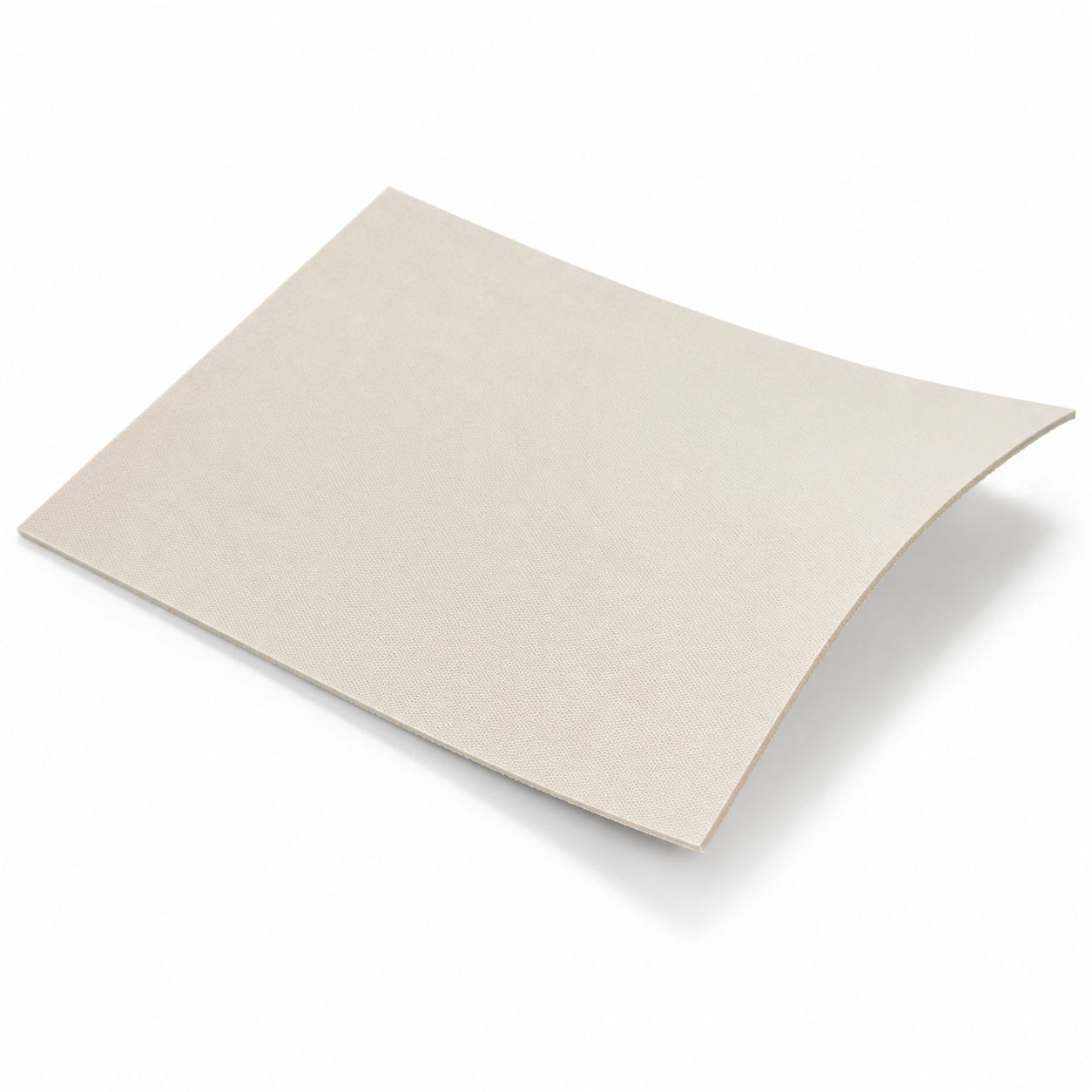
Outstanding moisture‑proof performance ensures supporting rigidity will not drop significantly even under continuous wearing in humid environment. Strict batch‑wise control over sheet thickness and adhesive distribution achieves stable molding shrinkage and consistent shoe patterns for mass production. Sheets can be easily die‑cut into special contours for toe and heel, suitable for manual pattern sampling as well as automatic punching mass production. No pungent odor after hot‑press forming, all indicators comply with footwear environmental standards.
Two thickness options are available: thin grade for lightweight soft‑upper casual shoes, standard thick grade offers sufficient supporting rigidity for formal leather shoes and heavy‑duty work boots. Excellent stability under room temperature prevents pre‑bonding and adhesive bleeding before processing for convenient warehouse management. Widely supplied to footwear material processing factories, upper lamination workshops and shoe‑sample development departments, this low‑temperature hot‑melt counter is mainly applied for toe‑box and heel counter reinforcement. Compatible with leather shoes, casual sneakers, formal shoes, safety work shoes and children’s shoes. Thin specification serves lightweight soft uppers while standard thickness provides firm support for formal and heavy‑load footwear.
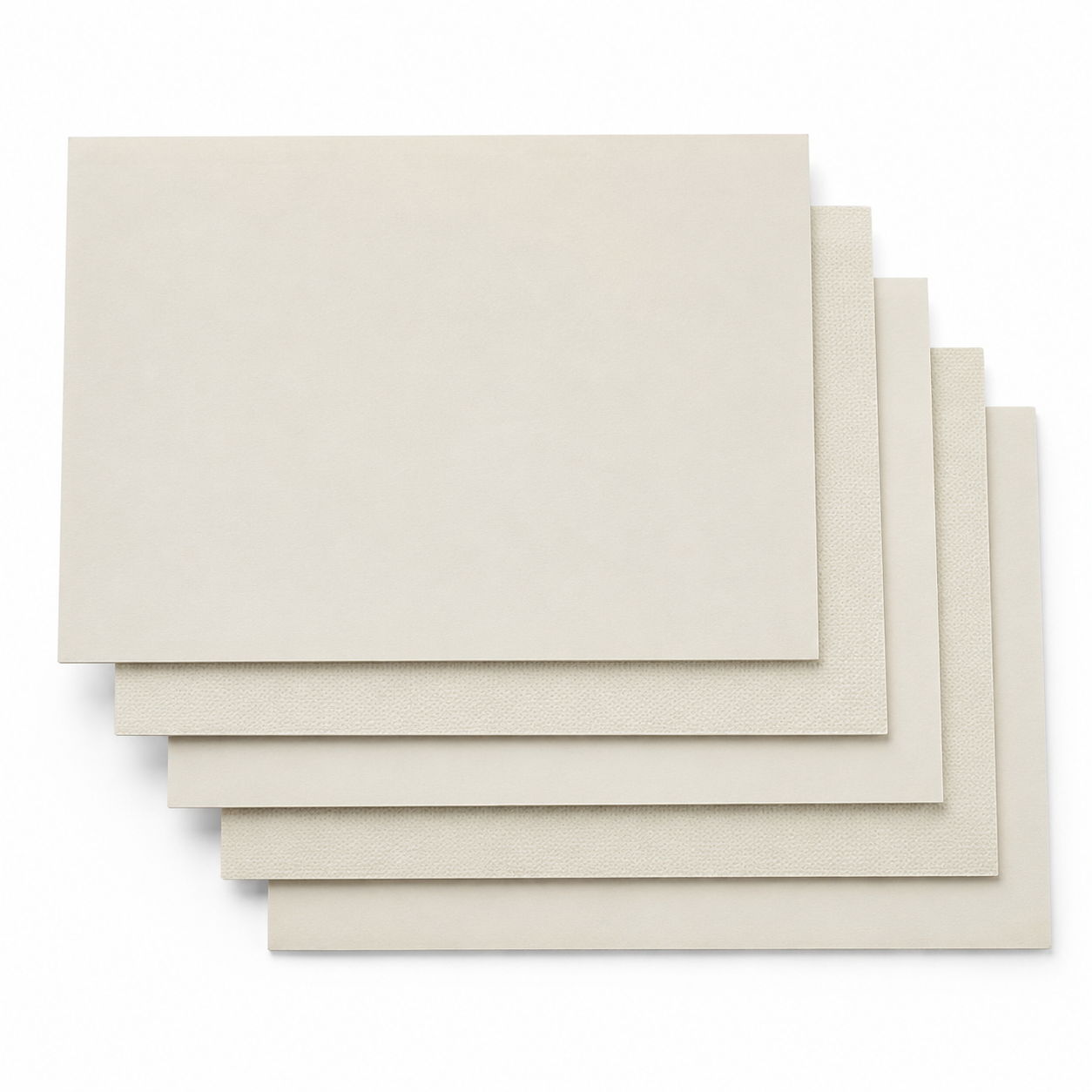
Follow standardized operation procedure: die‑cut sheets into required toe‑heel contours before hot‑pressing. Place cut counter between upper shell and lining. Set hot‑press temperature at 100‑115℃ with moderate pressure, hold pressure for 4‑7 seconds and cool under pressure to guarantee stable shaping. Seal unused sheets with waterproof film on the same day to avoid moisture absorption. Do not stack sheets under high‑temperature condition to prevent premature melting and sticking. Store in cool, dry and well‑ventilated warehouse below 30℃, keep away from heat source, direct sunlight and damp ground; place on pallets for moisture isolation. Stack sheets flat to avoid distortion and adhesive migration caused by heavy compression.
Routine warehouse inspection system: check package sealing status daily for moisture ingress and adhesive bleeding; sample‑test hot‑melt activation performance monthly and implement FIFO stock rotation. Adjust hot‑press time and temperature according to upper thickness during production to prevent excessive adhesive penetration which spoils surface appearance. Clean die‑cut trimmings can be collected for professional recycling to realize waste reduction and green production. Featuring low‑temperature energy‑saving property, long‑lasting shaping performance, good flexibility and broad material compatibility, it is a common eco‑friendly reinforcing accessory for toe‑box and heel‑counter shaping in shoemaking factories.