
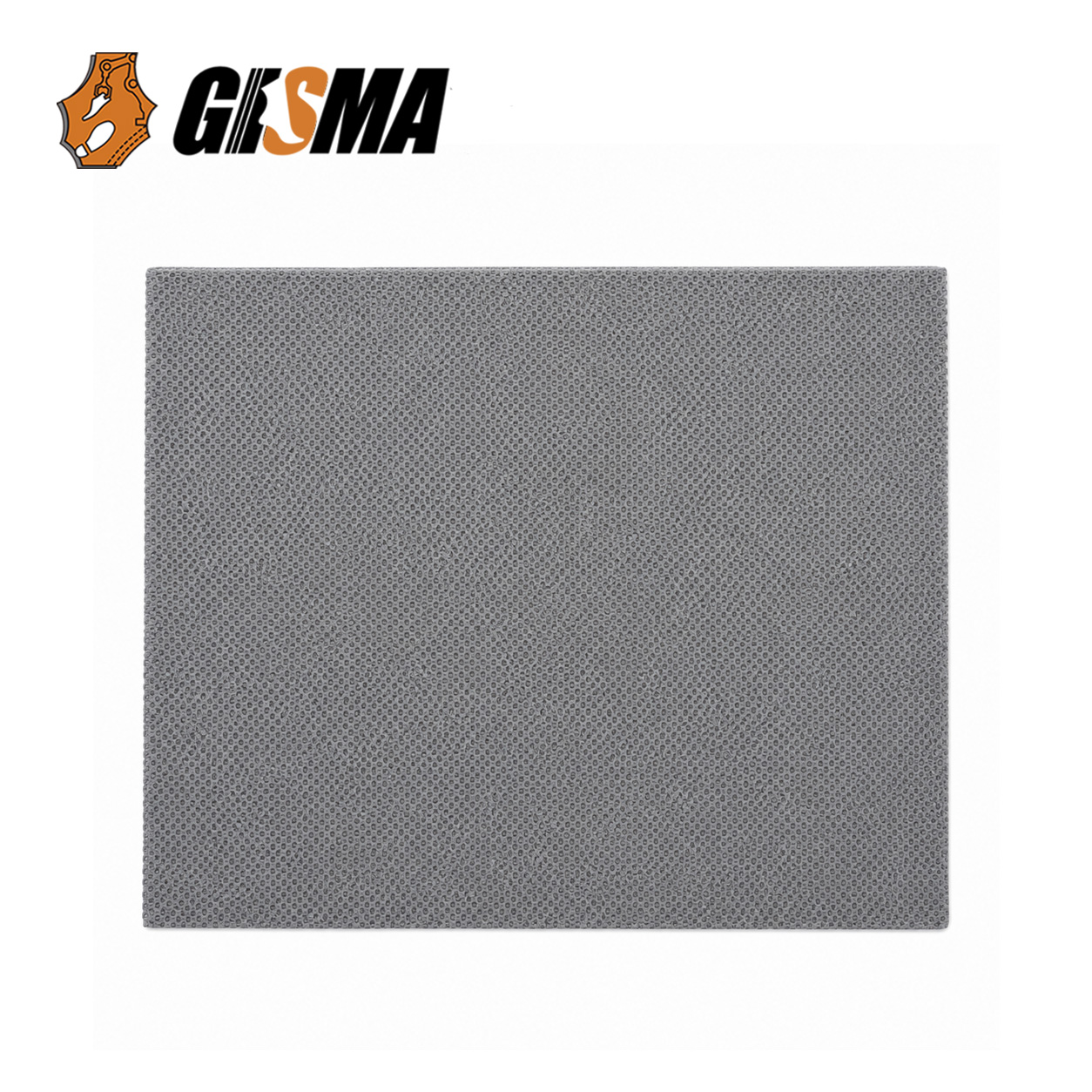
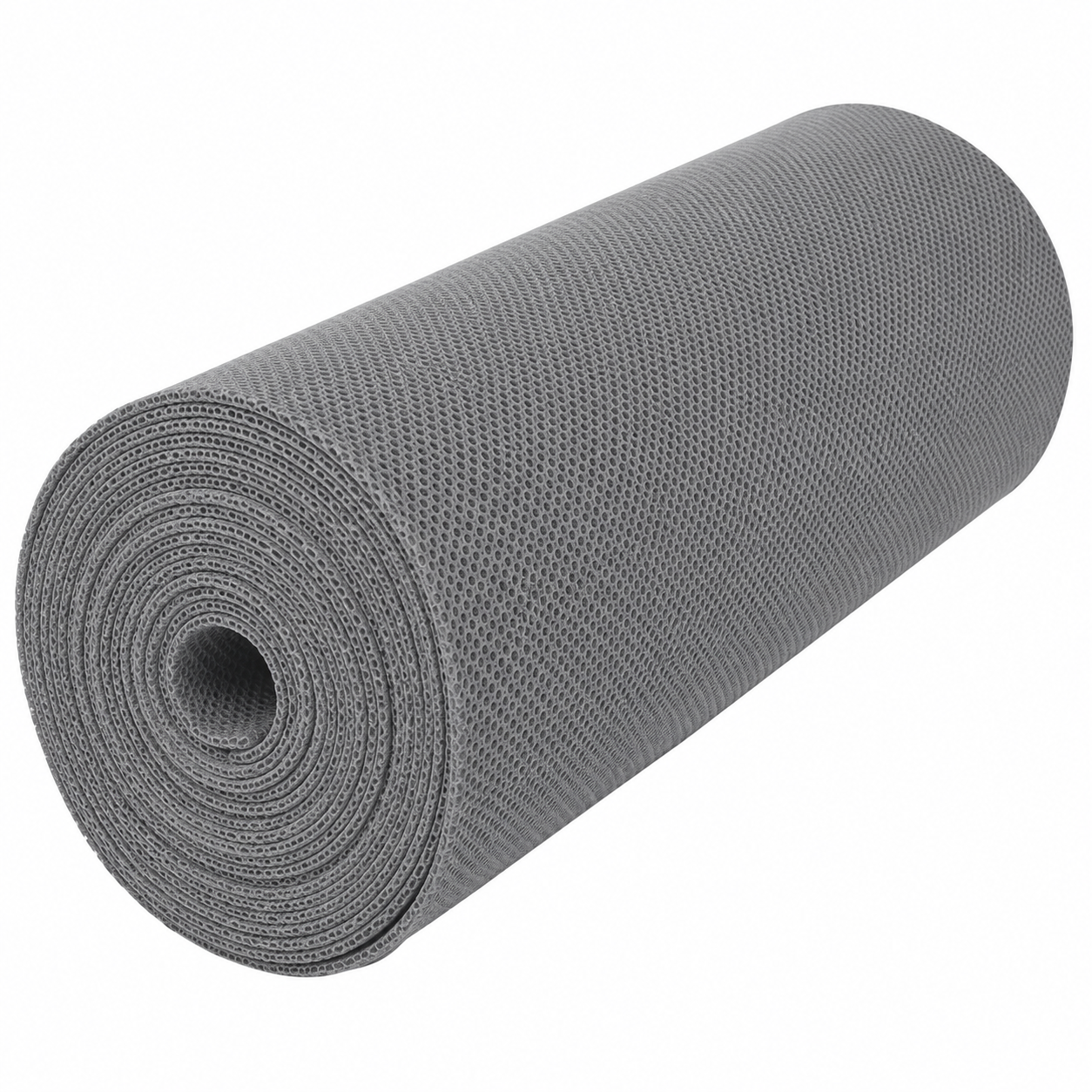
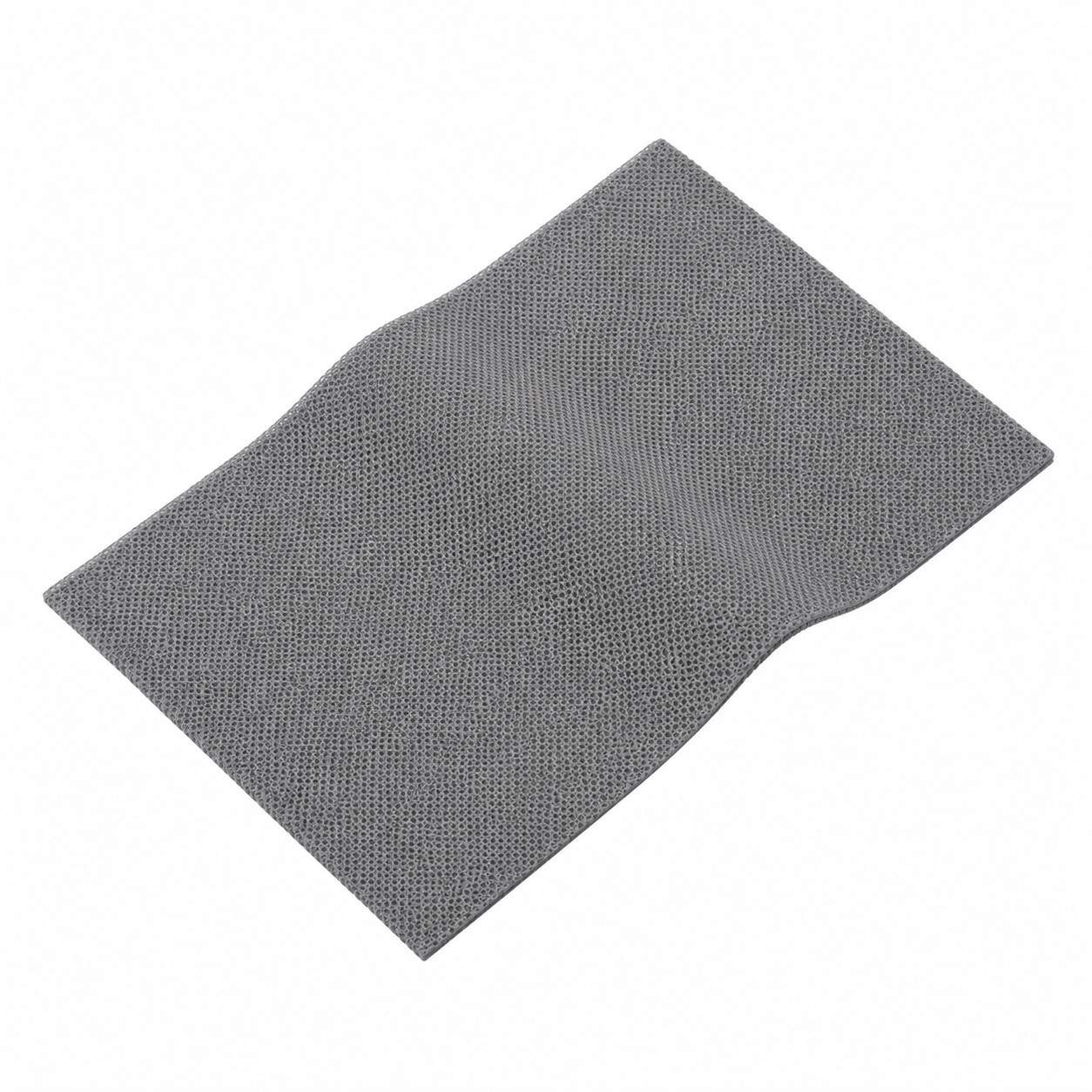
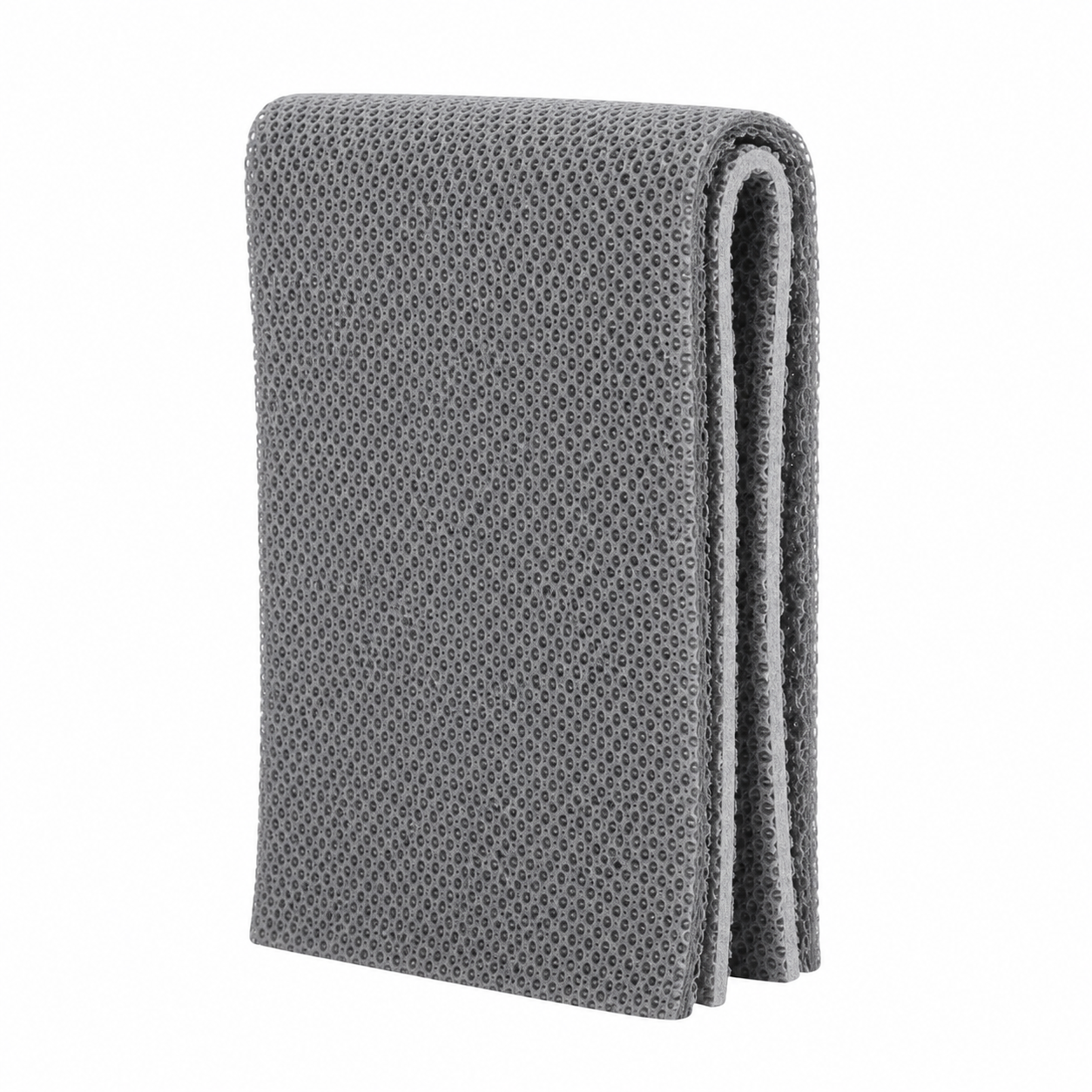
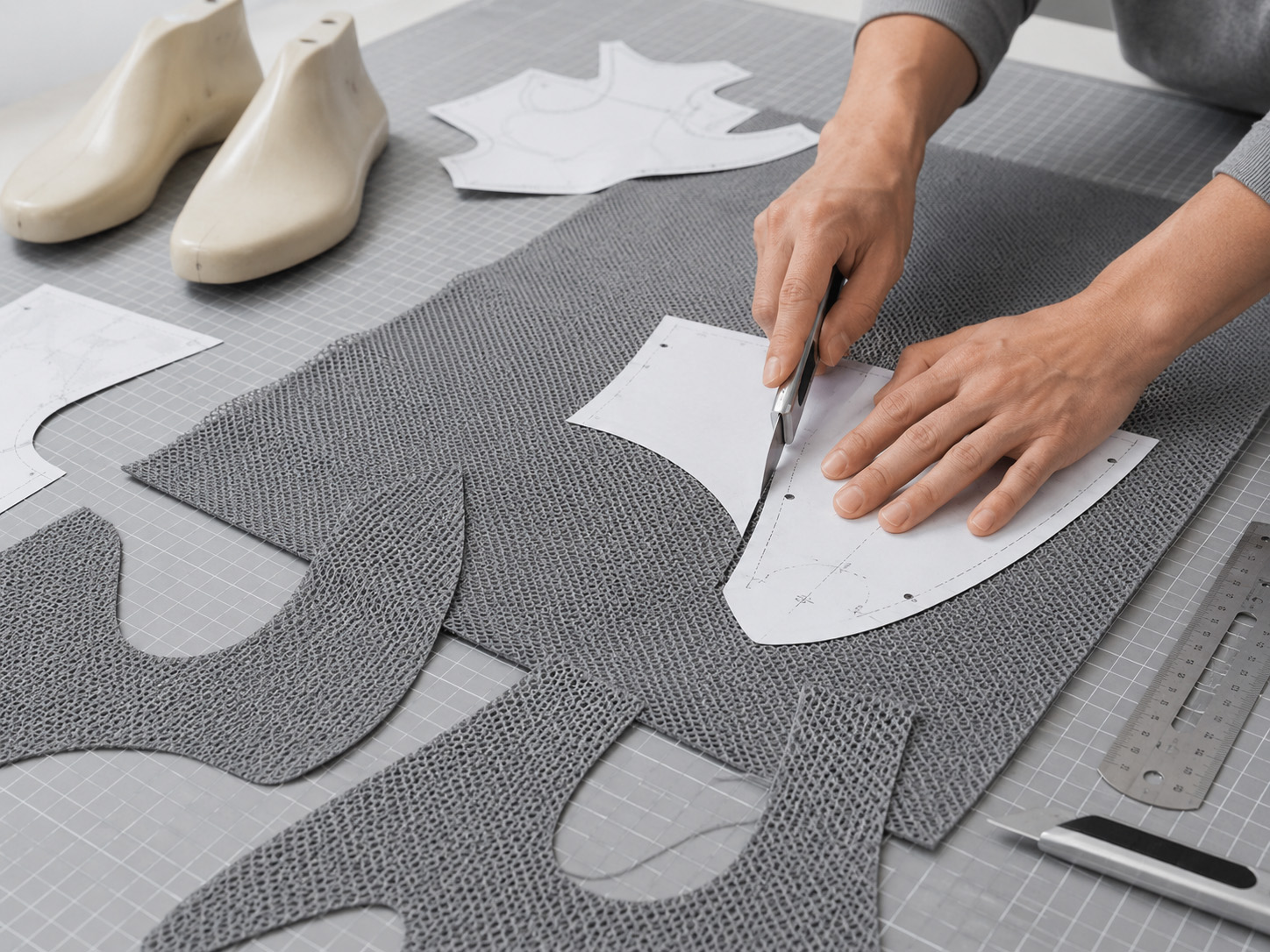
Engineering Mesh Fabric, Wear-resistant Breathable Polyester Mesh Cloth For Sneaker Vamp, Safety Shoe Upper
Booth| Model Number | MF-ENG-PET |
| Brand | GISMA Guangzhou |
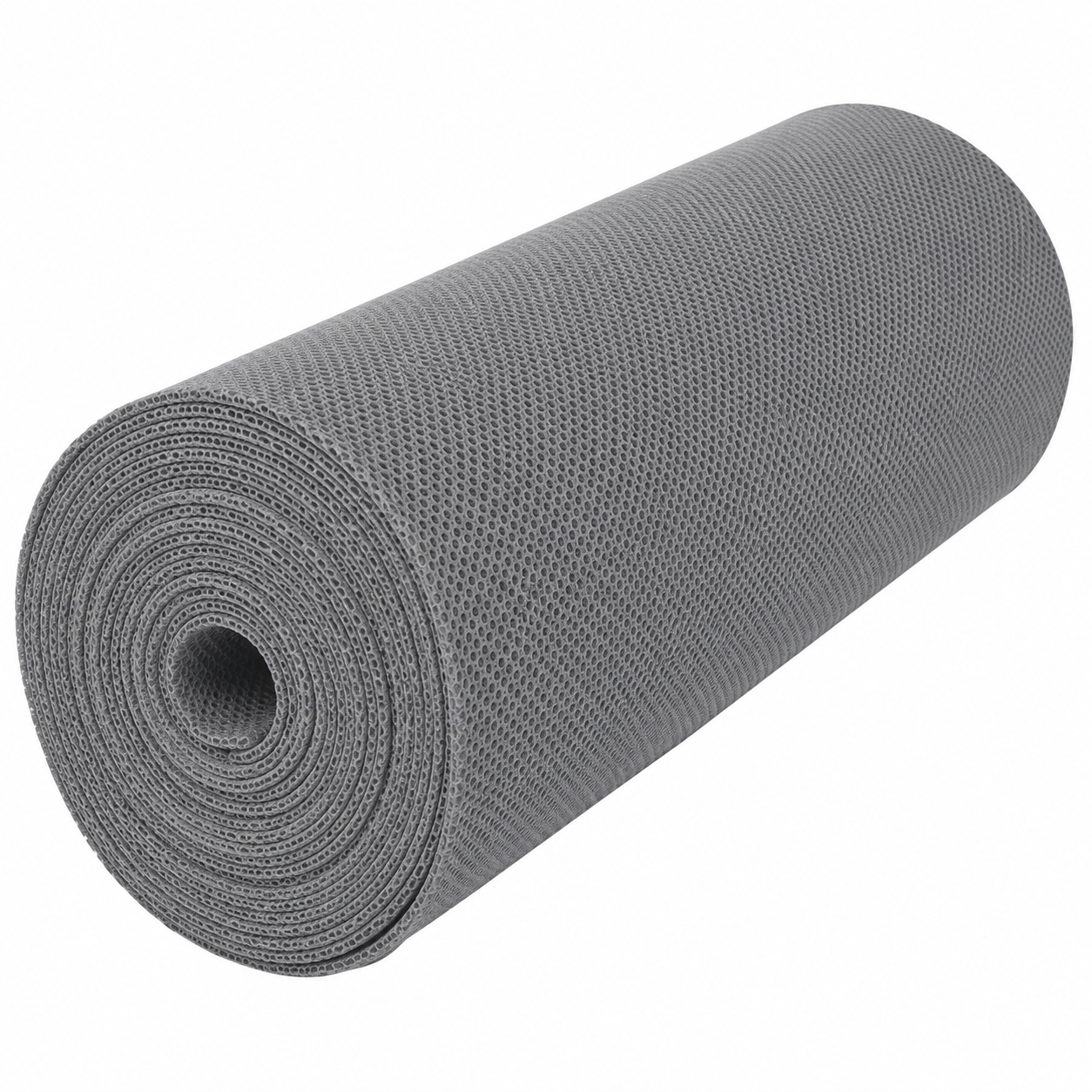
| Net Weight | 13.5 kg /roll |
Engineering Mesh Fabric, Wear-resistant Breathable Polyester Mesh Cloth For Sneaker Vamp, Safety Shoe Upper
| Specification | Parameter Details |
|---|---|
| Main Material | High‑strength polyester filament |
| Standard Width | 1500 mm |
| Roll Length | 50 m per roll |
| Fabric Weight | 180 g/m² (standard grade for shoe uppers) |
| Fabric Structure | Robust 3D porous mesh weave structure |
| Net Weight Per Roll | 13.5 kg |
| Packing Method | Each roll individually wrapped with waterproof PE film |
| Export Carton Qty | 4 rolls per carton |
| Carton Dimension(L×W×H) | 1620×400×300 mm |
| Carton Gross Weight | 60 kg |
Engineering Mesh Fabric
This engineering‑grade polyester mesh fabric for shoemaking is woven from high‑strength polyester fiber with dense reinforced mesh weave structure for outstanding wear resistance. It resists fuzzing, pilling and hole damage under continuous friction from long‑term outdoor walking and workshop labor. Uniform honeycomb‑shaped 3D mesh holes deliver superior air permeability and sweat‑wicking performance, quickly evacuating hot‑humid air inside shoes to keep feet dry and comfortable. High warp‑and‑weft tensile strength brings extremely low elongation. Dimension remains stable after full shoemaking workflows including automatic cutting‑bed cutting, high‑speed assembly‑line sewing and upper hot‑press lamination without shrinkage, uneven width or pattern‑deformation defects.
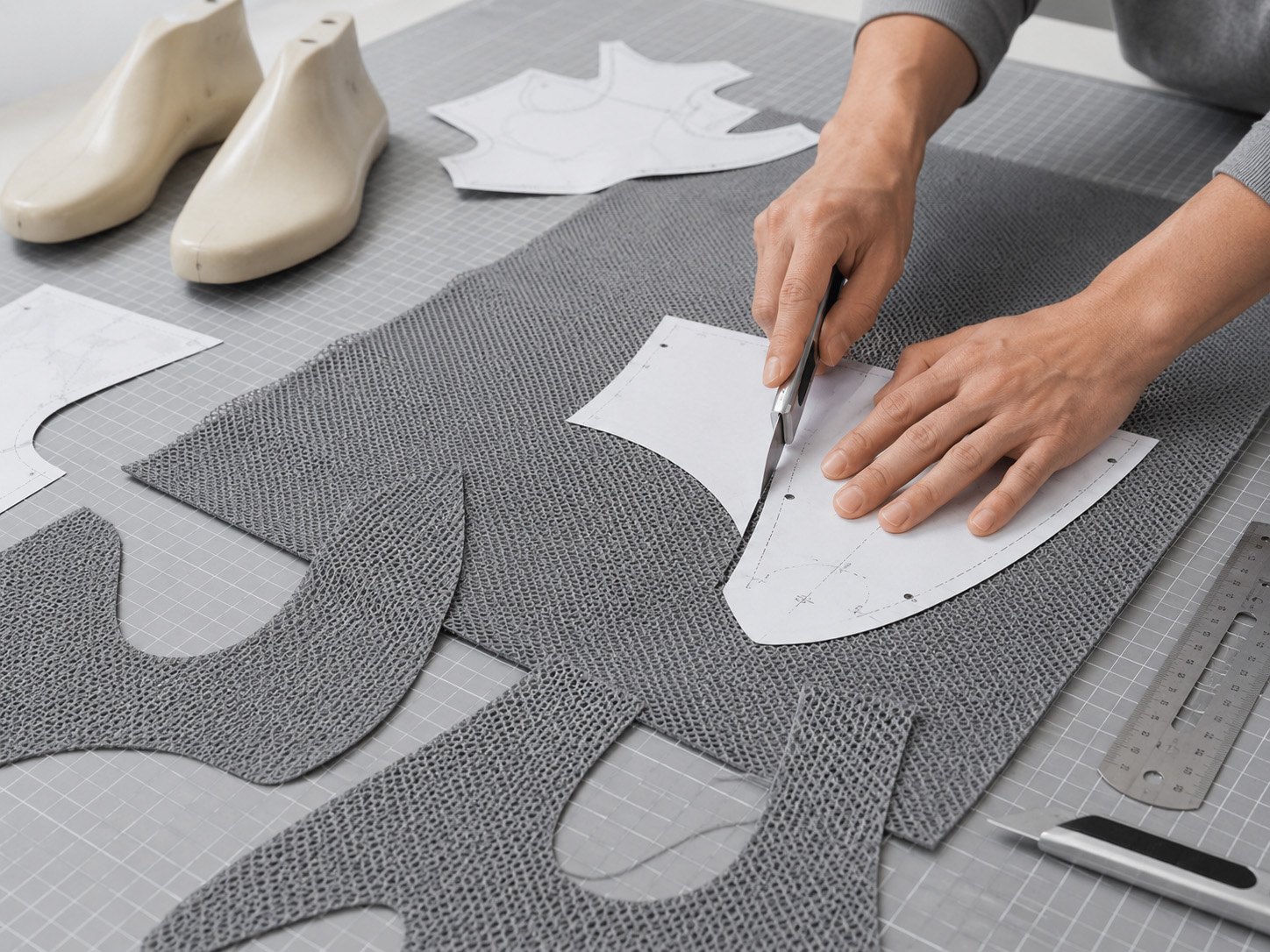
Dark‑color variants feature excellent color fastness with minimal discoloration after repeated washing and long‑term sun exposure for long‑lasting neat upper appearance. Balanced hand‑feel combines toughness and flexibility. It provides sufficient structural support for safety work‑shoe uppers to maintain three‑dimensional shoe silhouette while ensuring soft comfortable wear without rigid rubbing irritation. Strict weaving‑density control is implemented in mass production. Consistent mesh density and grammage within each batch support precise positioning for auto‑layout and CNC cutting‑bed processing, reducing layout deviation, material waste and defect rate. Fully compatible with mainstream shoemaking processes such as adhesive lamination, edge sealing and high‑speed assembly‑line sewing, it offers great tear resistance for heavy‑duty safety shoes under harsh construction‑site and workshop conditions. Excellent die‑cutting performance yields clean smooth cut‑sections; yarn stays tight and free from loosening during upper sewing to minimize extra manual trimming and edge‑locking workload.
Stable weather resistance preserves tensile, abrasion‑resistant and breathable performance under low‑temperature, high‑temperature and humid‑rainy conditions for year‑round working‑condition application. Widely supplied to upper‑lamination factories, safety‑shoe manufacturers and footwear‑material distributors, this engineering mesh serves as main upper material for casual sneakers, outdoor hiking shoes and industrial safety work shoes, and can also be applied for shoe linings and auxiliary breathable interlayers. Follow standardized processing: fully unroll and lay flat fabric rolls before marking and cutting to release internal winding tension and avoid cut‑piece dimensional deviation. Adjust sewing‑machine thread tension properly to prevent mesh shrinkage or thread breakage after hot pressing. Reserve sufficient edge allowance during layout for subsequent edge‑sealing and multi‑layer hot‑press lamination. Seal ends of unused rolls with waterproof film to prevent dust, glue stain and moisture‑absorption deterioration. Conduct pre‑production sample tests for lamination bonding and wash color fastness; launch mass production only after performance qualification.
Standard warehouse storage rules: store fabric rolls flat in cool, dry and well‑ventilated warehouse. Avoid prolonged direct sunlight to prevent polyester yarn brittleness, fading and toughness degradation. Isolate fabric from oil stains, corrosive solvents and open high‑heat equipment to avoid chemical contamination and permanent mesh collapse caused by high‑temperature baking. Control stacking height; heavy vertical stacking is forbidden to prevent irreversible compression deformation of honeycomb mesh structure. Graded QC and daily maintenance system: inspect package integrity and fabric surface cleanliness before daily cutting. Random sampling test for each incoming batch verifies mesh uniformity and warp‑weft tear strength for strict incoming quality control.
Before large‑scale automatic cutting, run lamination hardness test with production‑grade adhesive on sample pieces to optimize process parameters and lower lamination‑defect rate. Clean textile trimmings from cutting can be sorted and collected for polyester textile recycling to realize waste circular utilization and support low‑carbon eco‑friendly modern shoemaking management. Benefiting from high‑strength polyester raw material, wear‑puncture‑resistant reinforced mesh, honeycomb sweat‑venting structure, low‑elongation stable processing dimension, good dark‑shade color fastness against washing & sunlight, balanced rigidity‑softness for safety‑shoe support & comfort, consistent batch density for auto cutting‑beds, full compatibility with lamination‑sewing‑edge‑locking workflows, tear‑resistance for harsh worksite scenarios, clean die‑cut edges against yarn fraying and stable performance under wide temperature‑humidity range, this product is high‑performance engineering upper mesh for mass‑production and sample development of casual sneakers, outdoor hiking shoes and industrial safety work shoes.