
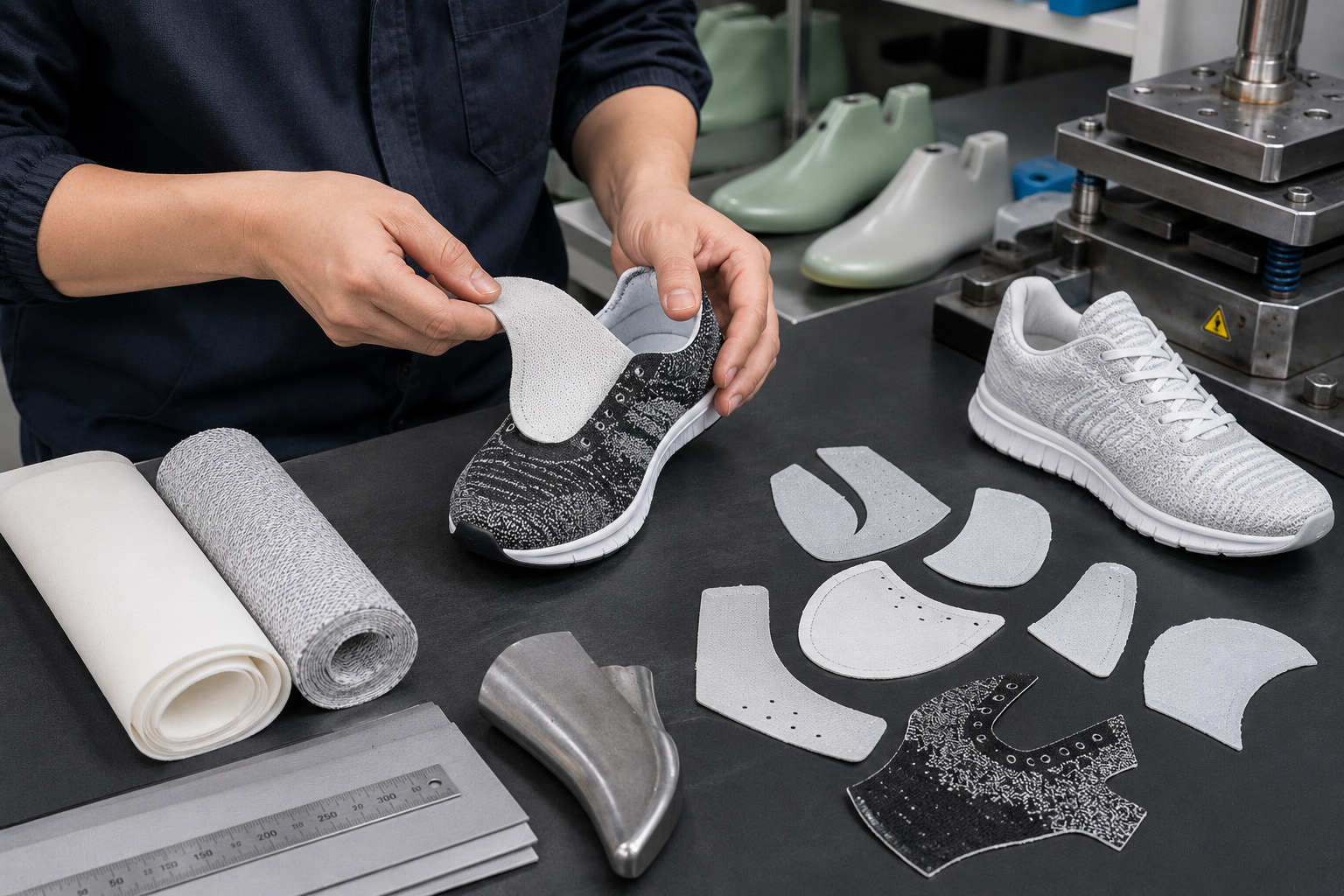
Stiff Rigid Shoe Interlining, High Hardness Reinforcement Stiffener Fabric For Sneaker Toe & Heel Shaping
Booth| Model Number | STIFF-INTERLINING |
| Brand | GISMA Guangzhou |
| Net Weight | 23.5 kg / roll |
| Specification | Parameter Details |
|---|---|
| Product Name | Shoemaking Stiffening Interlining, High‑rigidity Reinforcement Fabric, Special Stiff Liner for Sneaker Toe & Heel Shaping |
| Model | STIFF‑INTERLINING |
| Raw Material | High‑density polyester fiber composite stiff interlining |
| Standard Width | 1370 mm |
| Roll Length | 100 m per roll |
| Available Weight | 180 g/㎡, 220 g/㎡, 260 g/㎡, 300 g/㎡ |
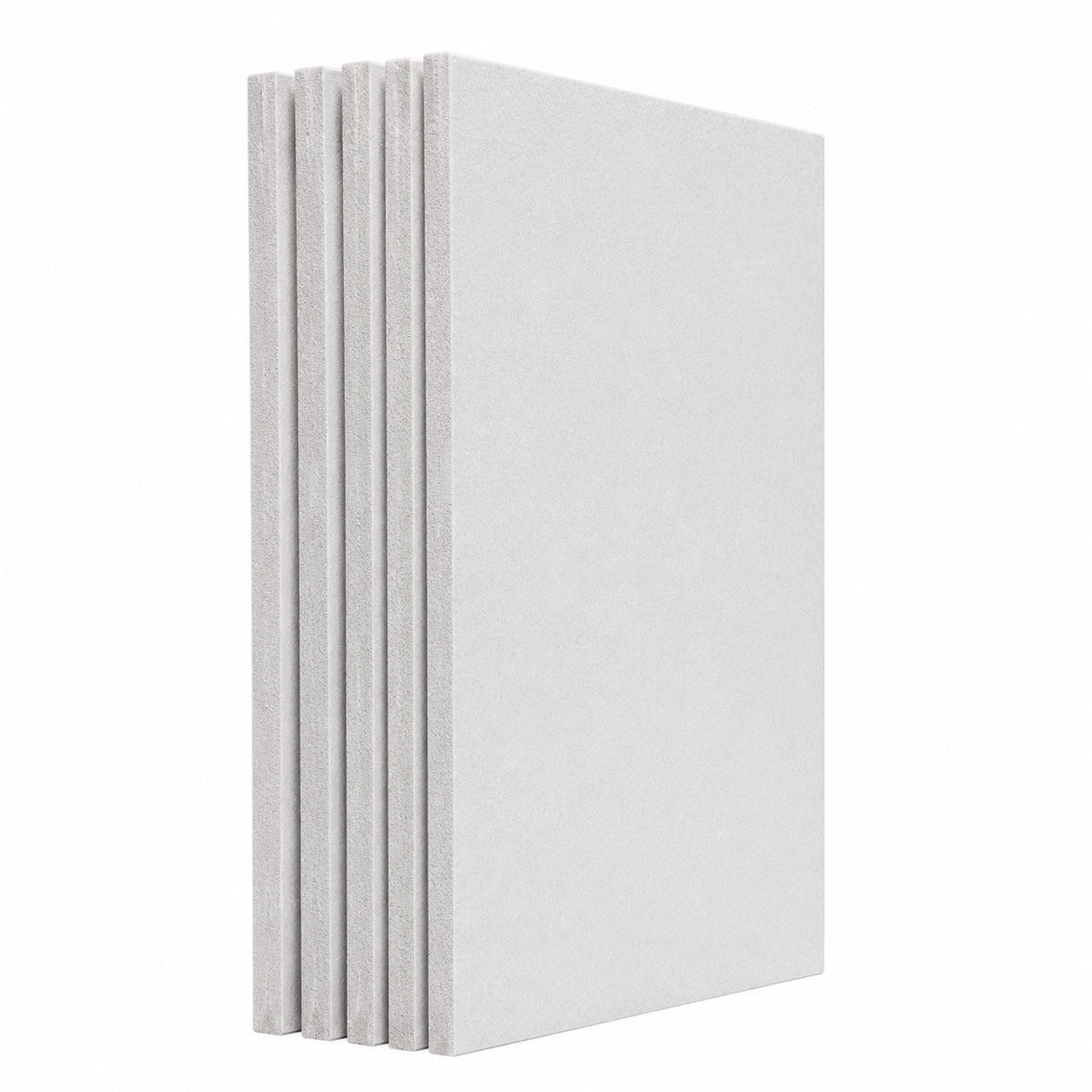
| Surface Feature | Pure white, compact & even fiber, high rigidity after hot‑melt lamination |
| Net Weight Per Roll | 23.5 kg (based on 220 g/㎡ reference weight) |
| Packing Method | Whole roll fully wrapped with waterproof PE protective film |
| Export Pack Qty | 4 rolls per carton |
| Carton Dimension(L×W×H) | 1440 mm × 400 mm × 330 mm |
| Carton Net Weight | 94 kg |
| Carton Gross Weight | 100.8 kg |
Stiff Rigid Shoe Interlining, High Hardness Reinforcement Stiffener Fabric For Sneaker Toe & Heel Shaping
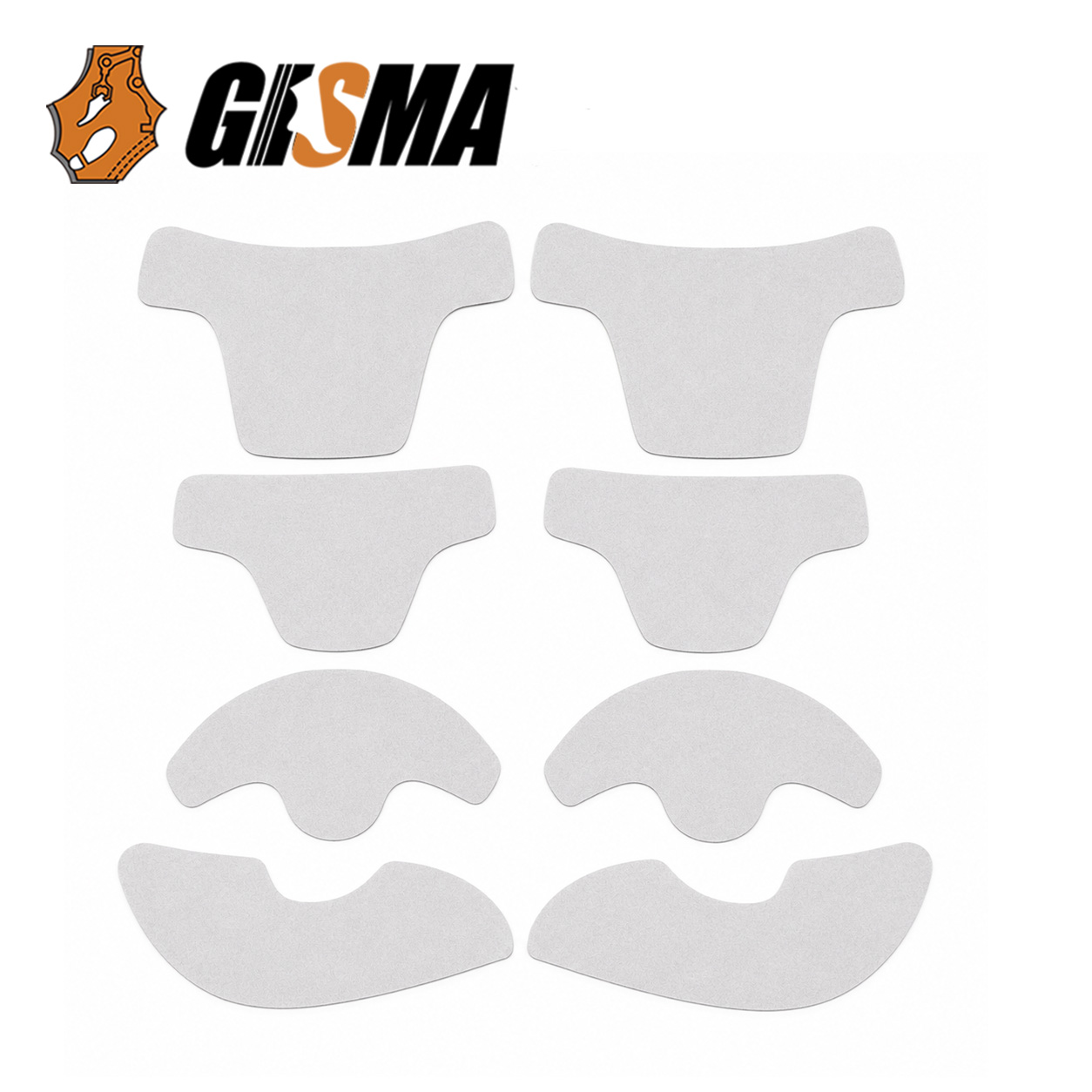
This high‑rigidity thermoplastic toe‑puff & heel counter (hot‑melt stiff interlining) for shoemaking is integrally formed of high‑density composite polyester fiber. Its tight interlocked fiber structure delivers excellent rigid support. When thermally laminated with low‑temperature TPU hot‑melt adhesive film, it forms a stable 3D reinforcing structure inside shoe toe and heel parts. It resists squeezing during walking and fundamentally prevents toe collapse and heel deformation after long‑term wear. Featuring stable hot‑melt compatibility and great affinity with low‑temperature TPU film, it achieves firm bonding without blistering, delamination or debonding. After tens of thousands of flexing cycles, the liner stays rigid without softening to maintain long‑lasting shaping performance. Thanks to its dense interlocked‑fiber construction, no loose fiber shedding or lint contamination occurs during automated die‑cutting, high‑temperature hot‑pressing and high‑speed sewing. Die‑cut parts obtain neat clean edges, reducing manual re‑trimming workload and improving assembly‑line productivity. Four weight grades are available for diverse shoe styles: lightweight thin grade provides mild reinforcement for lightweight casual shoes, while heavy‑duty thick grade meets high‑strength shaping requirements for dad shoes, skate shoes and industrial safety work shoes.
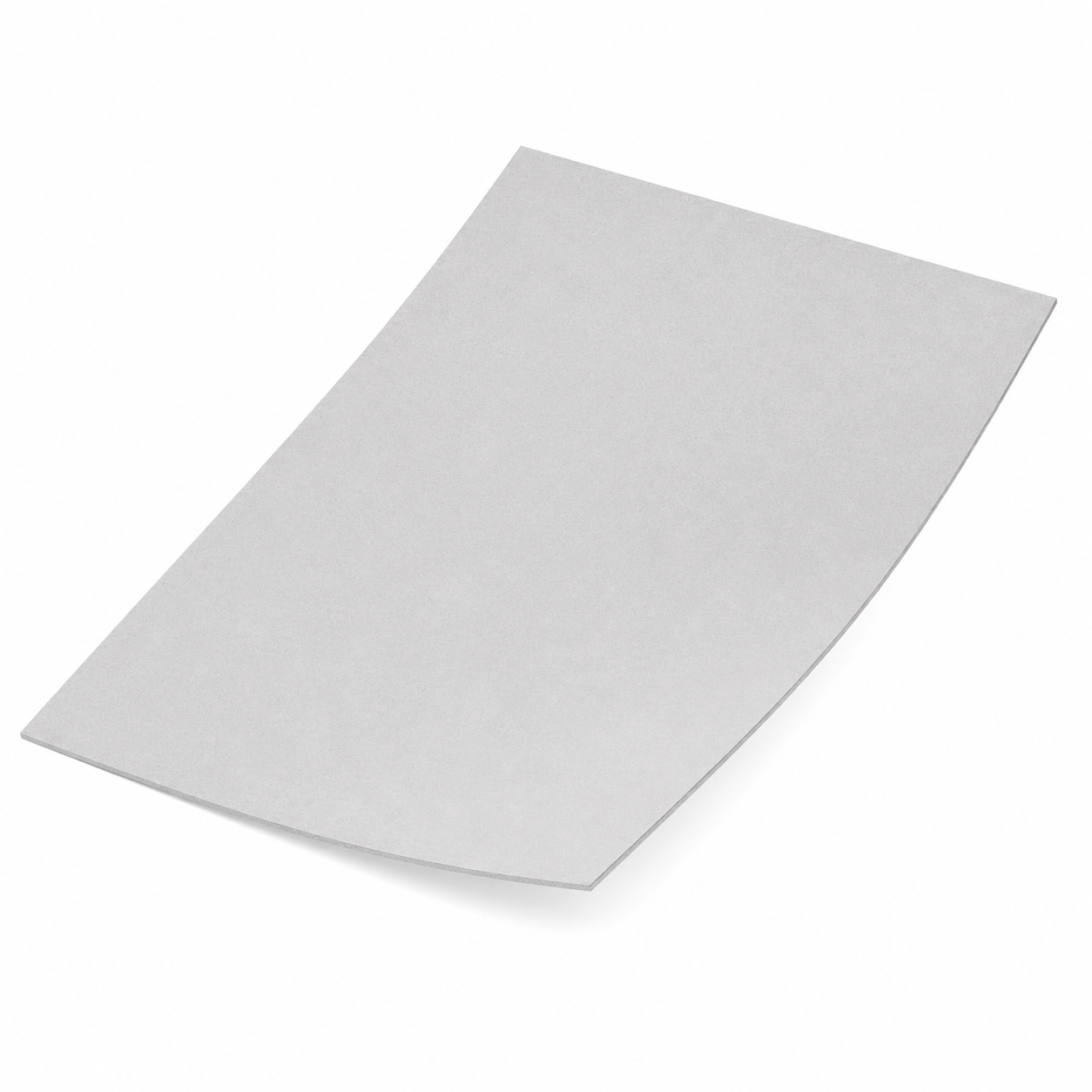
Strict mass‑production control monitors weight and hardness for every batch. Uniform hot‑press shrinkage brings outstanding dimensional stability, perfectly compatible with automated die‑cutters, continuous hot‑press machines and high‑speed sewing production lines for stable large‑volume manufacturing. The pure‑white interlining is free of impurities and stains, suitable for white and light‑colored trendy sneakers and casual shoes; no color‑leaching or yellowing defects will occur after hot‑melt lamination. Made of low‑odor eco‑friendly polyester fiber, it releases no pungent chemical smell or harmful volatile substances. It meets international low‑VOC footwear export standards and supports large‑volume orders for overseas shoe factories. Balanced toughness and rigidity prevent cracking and brittle fracture under repeated bending and squeezing on toe and heel sections, keeping shoe silhouette upright and extending finished‑shoe service life.
This high‑rigidity polyester reinforcing liner (hot‑melt toe‑puff & heel counter) is widely supplied to sneaker manufacturers, casual‑shoe factories, skate‑shoe workshops and professional footwear material distributors. It is specially used for hot‑melt shaping of toe‑puff and heel counter inserts. Laminated with low‑temperature TPU hot‑melt film onto toe and heel lining, its high‑rigidity structure locks shoe outline and avoids toe collapse and heel distortion in daily use. It supports new‑product development and mass‑line production for running shoes, dad shoes, skate sneakers, fashion casual shoes and industrial safety work shoes.
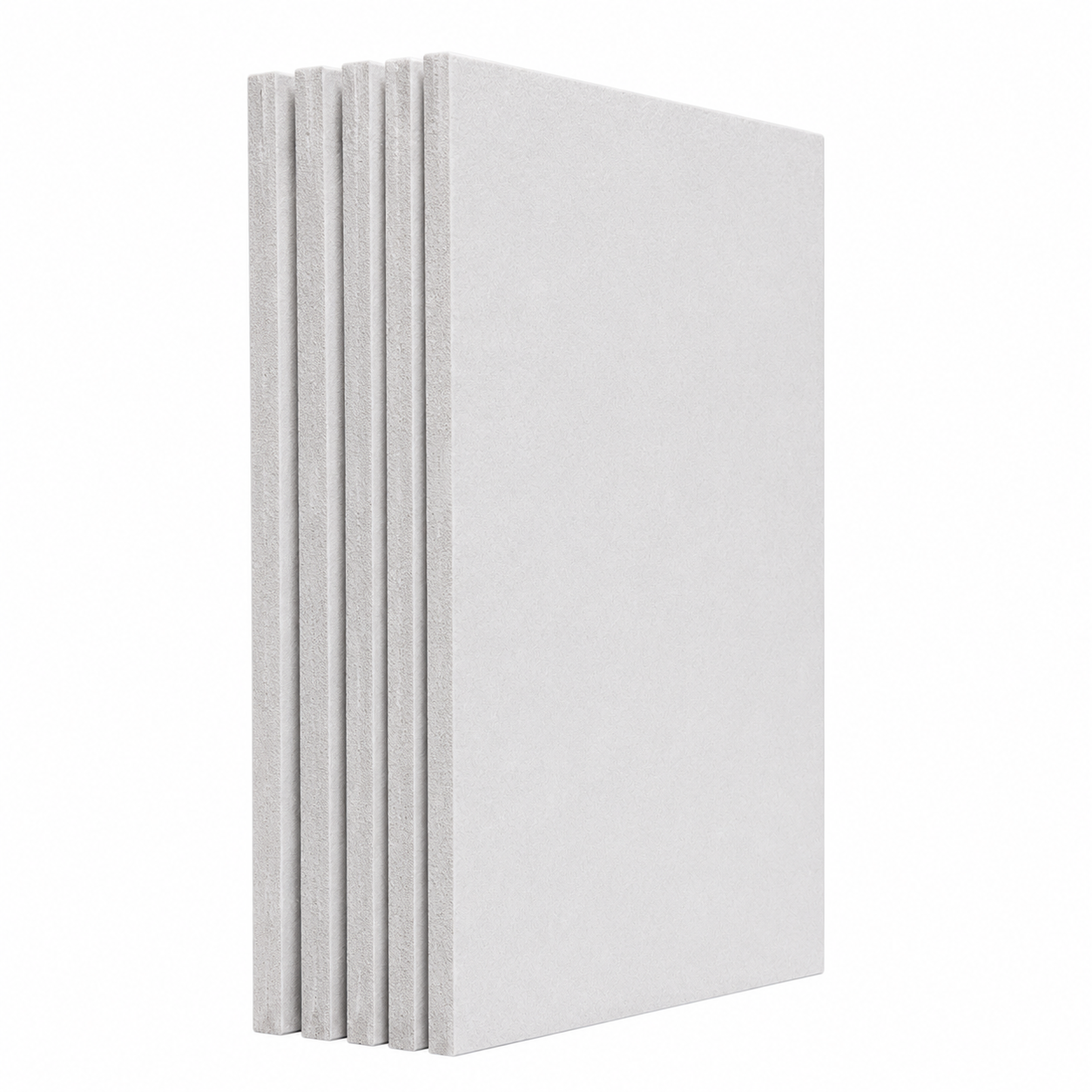
Standardized processing specifications: Before marking and die‑cutting, unroll and lay flat the whole roll fully to release internal tension from winding storage, so as to avoid dimensional deviation of cut pieces. Prior to mass hot‑melt lamination, run sample tests with matching low‑temperature TPU hot‑melt film; accurately adjust three key parameters: temperature, pressure and holding time. Start full‑scale production only after confirming firm bonding without blistering or delamination. Do not over‑stretch the interlining during cutting and hot‑press lamination, otherwise uneven local hardness will cause shaping defects on toes and heels. Upon daily‑work completion, fully seal remaining roll ends with waterproof PE film to block dust and moisture permeation which would weaken subsequent bonding strength. Finished cut pieces shall be stacked flat; avoid long‑term heavy vertical compression to prevent permanent indentation and local rigidity loss.
Standard warehouse storage requirements: Lay interlining rolls flat on dedicated shelves. Keep warehouse cool, dry and well‑ventilated with temperature controlled below 35℃. Keep away from high‑heat equipment, direct sunlight, oil stains, oily solvents and corrosive chemicals to avoid polyester fiber aging, hardness drop and discoloration. Never stack heavy goods vertically on rolls to prevent permanent compression deformation and permanent loss of shaping performance. After partial roll consumption, tightly reseal protective film to stop dust intrusion which may cause poor bonding, blistering and delamination in follow‑up hot‑press procedures.
Complete graded daily‑operation inspection and batch QC system: Before daily cutting work, check roll sealing condition, surface cleanliness and fiber‑shedding status. For every incoming batch, carry out sampling inspection covering weight uniformity, rigidity hardness, tear‑resistance and hot‑melt lamination compatibility to guarantee raw‑material quality. Control hot‑press temperature properly; excessive temperature will soften polyester fiber and permanently destroy liner rigidity. Clean leftover trimmings from cutting process can be sorted and sent for professional polyester fiber recycling to reduce workshop waste and realize low‑carbon circular manufacturing. Benefiting from high‑rigidity support of high‑density polyester fiber, blister‑free delamination‑free lamination with low‑temperature TPU film, anti‑softening & anti‑collapse performance under repeated bending, lint‑free neat‑edge cutting, multi‑weight options for various shoe styles, consistent batch weight & hardness for automatic lines, non‑staining pure‑white surface for light‑colored uppers, low‑odor low‑VOC export‑grade environmental performance, crack‑resistant balanced rigidity‑toughness, this product is an indispensable hot‑melt toe‑puff & heel‑counter base material for toe‑and‑heel reinforcement of sneakers, casual shoes, skate shoes and safety work shoes.