
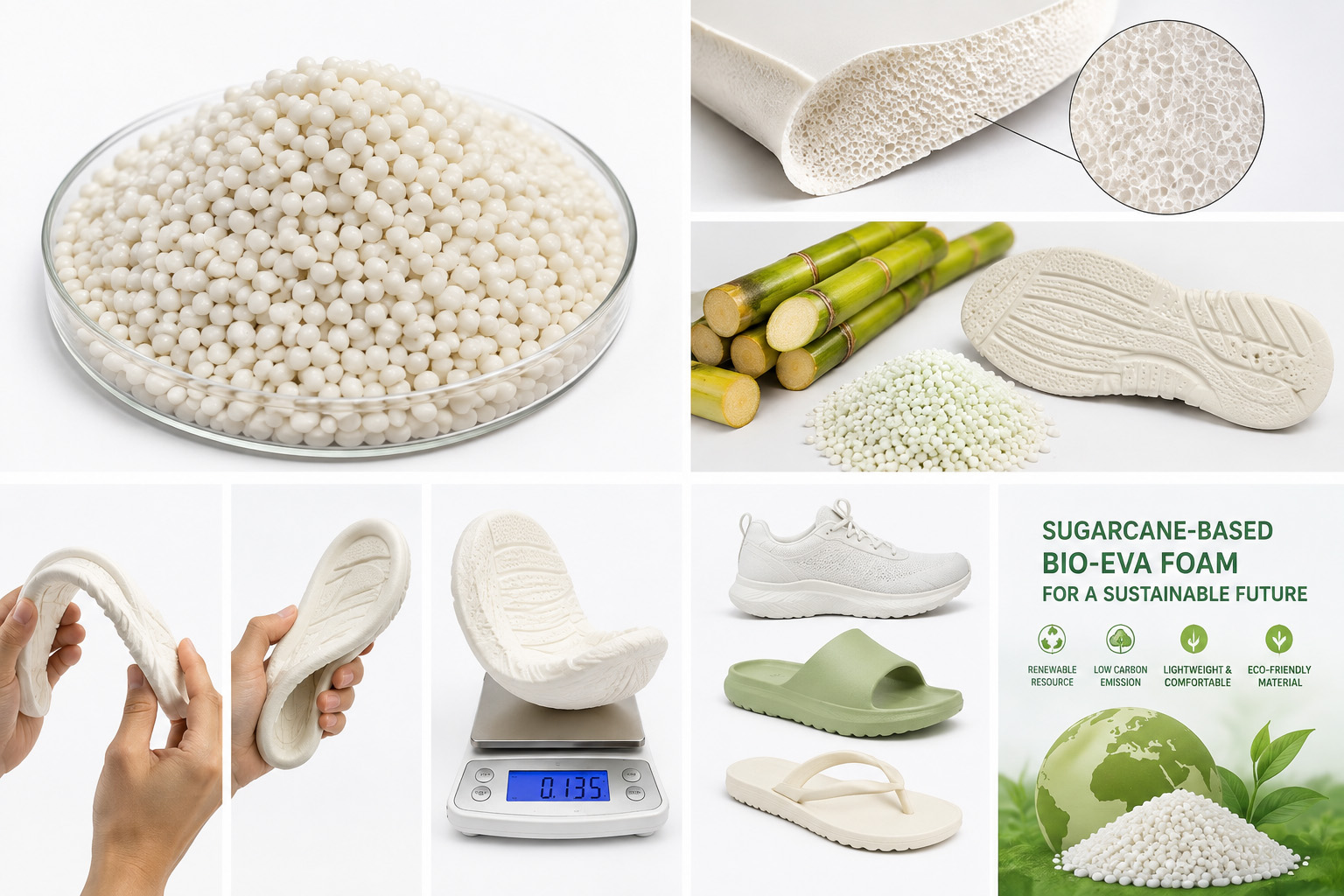

Ultra-Light Sugarcane-Based Bio-EVA Foam Sole
Booth| Model Number | BIO-EVA-001 |
| Brand | GISMA Guangzhou |
| Net Weight | 250 g |
| Specification | Parameter Details |
|---|---|
| Item No. | BIO-EVA-001 |
| Material Composition | Sugarcane-based bio-resin blended with EVA, renewable plant-derived raw material |
| Density Range | 0.13–0.20 g/cm³ (ultra-light grade) |
| Thickness Options | 8mm / 10mm / 12mm / 15mm customizable |
| Color Options | Natural off-white base, custom color tinting available |
| Pore Structure | Uniform closed-cell microcellular foaming |
| Rebound Rate | 55%–65% high elasticity |
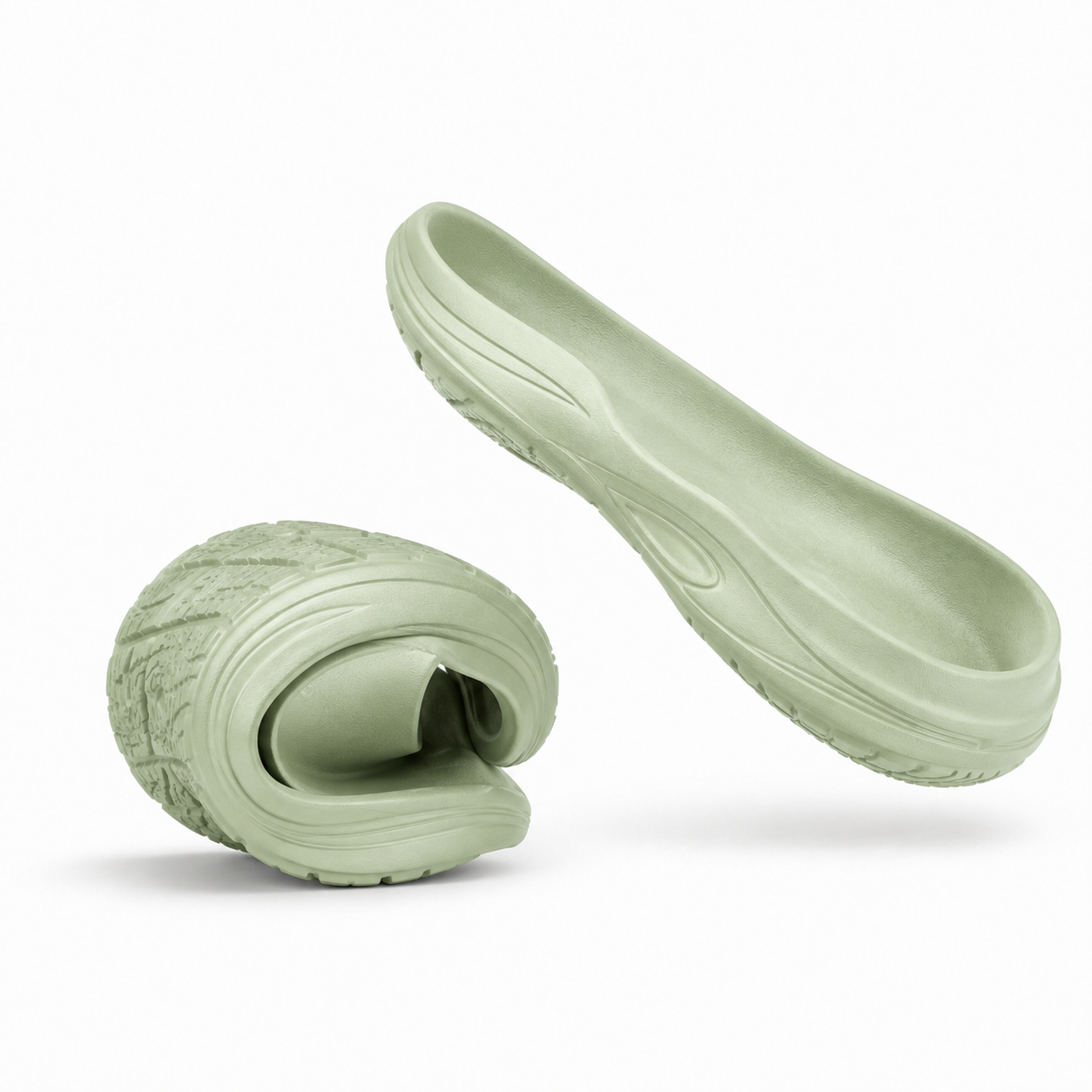
| Flex Resistance | Over 80,000 bending cycles without crack formation |
| Standard Packing | Stacked with PE film separation, 50 pairs per carton |
| Carton Dimension(L×W×H) | 580×380×320 mm |
| Carton Volume | 0.070528 CBM |
| Net Weight Per Carton | 12.5 KG |
| Gross Weight Per Carton | 14.0 KG |
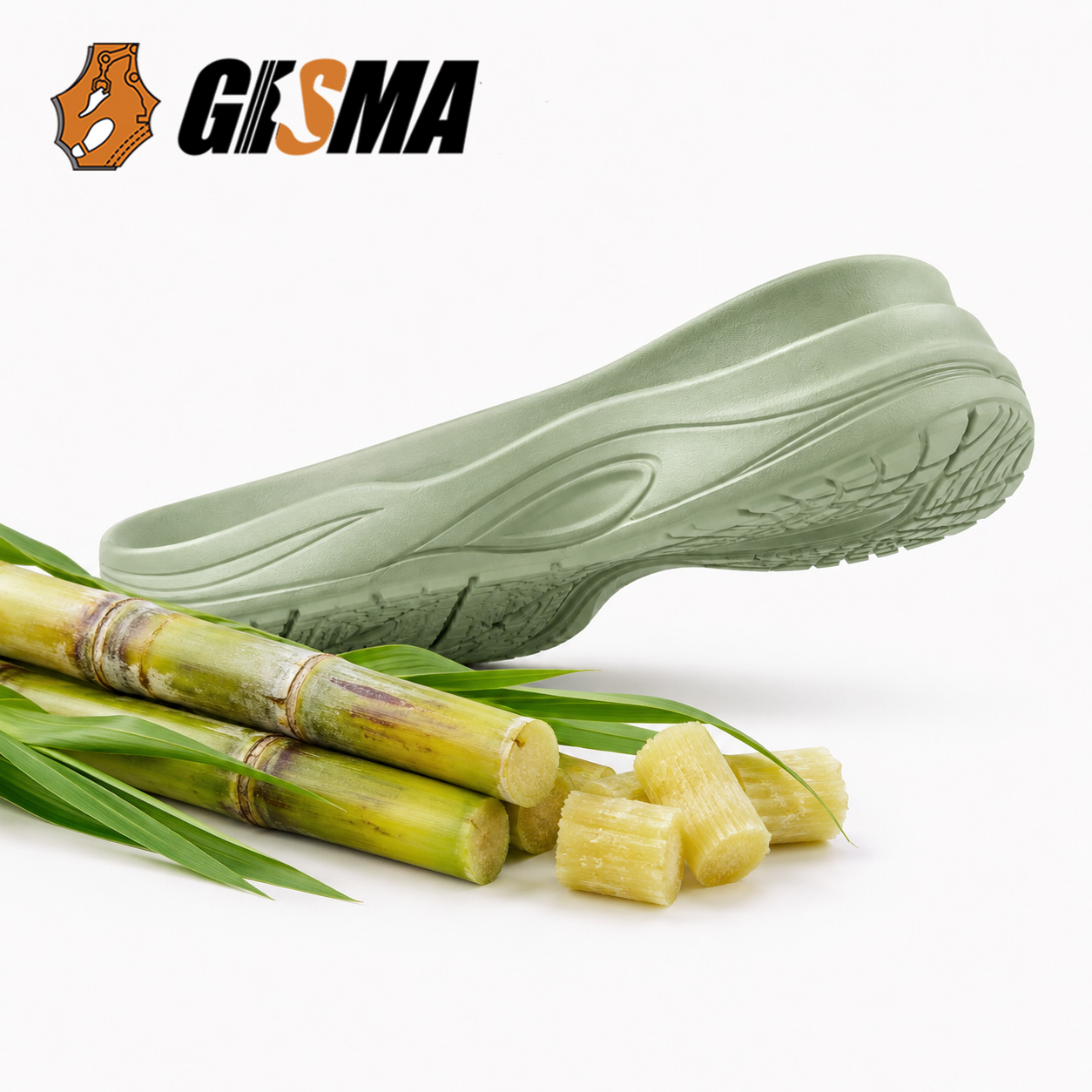
This eco‑friendly bio‑based EVA material adopts renewable biomass raw materials derived from sugarcane to partially replace conventional petroleum‑based EVA. The recyclable plant feedstock cuts fossil resource consumption at source, delivering a far lower whole‑life carbon footprint than standard petroleum‑based sole materials and helping footwear enterprises meet EU carbon tariff and carbon‑label green export requirements.

It is produced by physical supercritical foaming technology with minimal chemical foaming‑agent residue and low VOC emissions during manufacturing. Trim waste can be recycled and re‑foamed for secondary use to greatly reduce solid‑waste discharge and realize a green circular‑production model. Complete sugarcane‑raw‑material traceability documents and carbon‑emission calculation reports are available to support partner shoe factories in supply‑chain environmental disclosure and pass ESG‑oriented sustainable‑procurement audits from international brands. Stable sourcing of sugarcane agricultural materials increases local farmers’ income; production workshops are equipped with dust‑removal and noise‑reduction facilities to improve front‑line working conditions. Non‑toxic and odor‑free, the skin‑friendly material protects workers’ occupational health while offering safe and comfortable performance for end‑users.
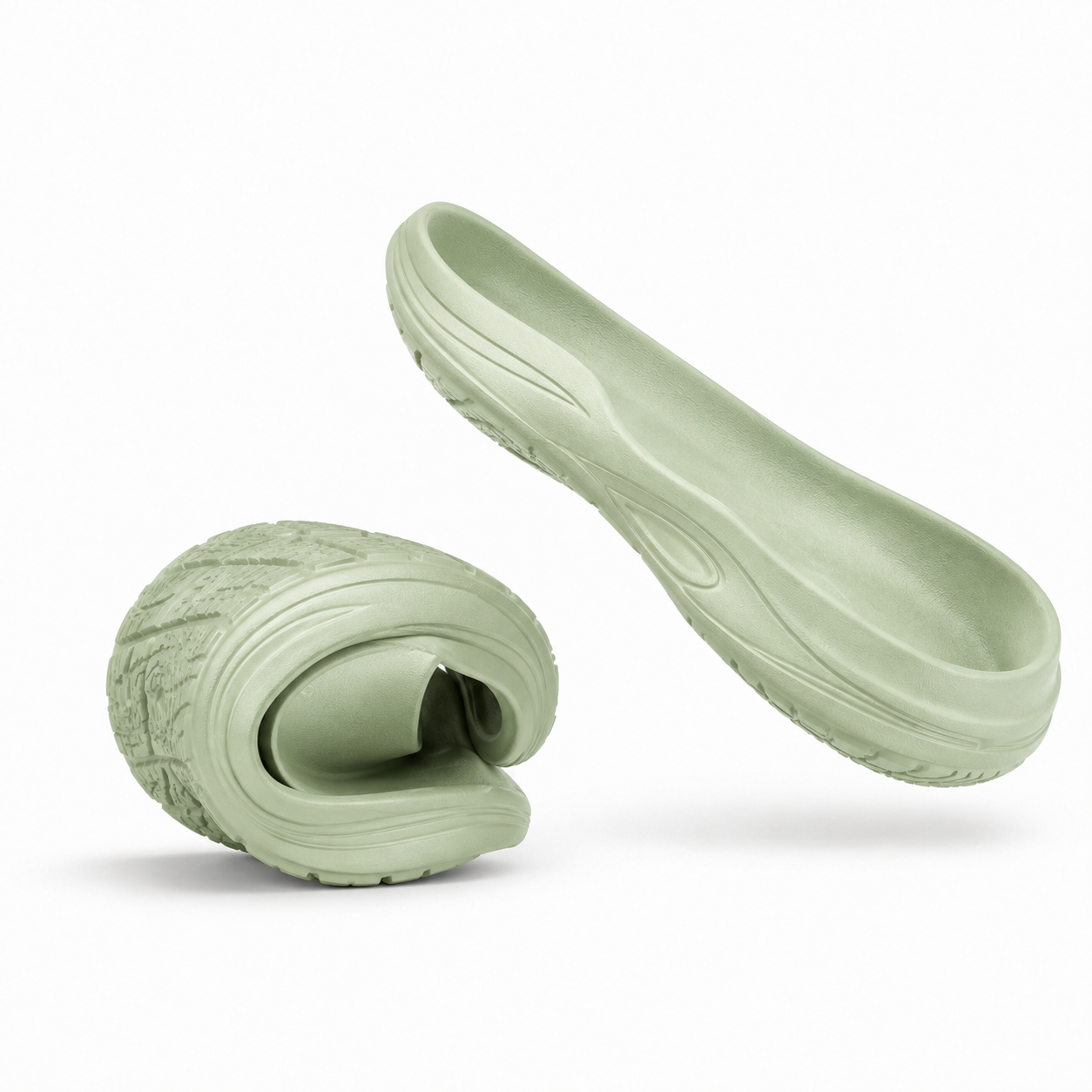
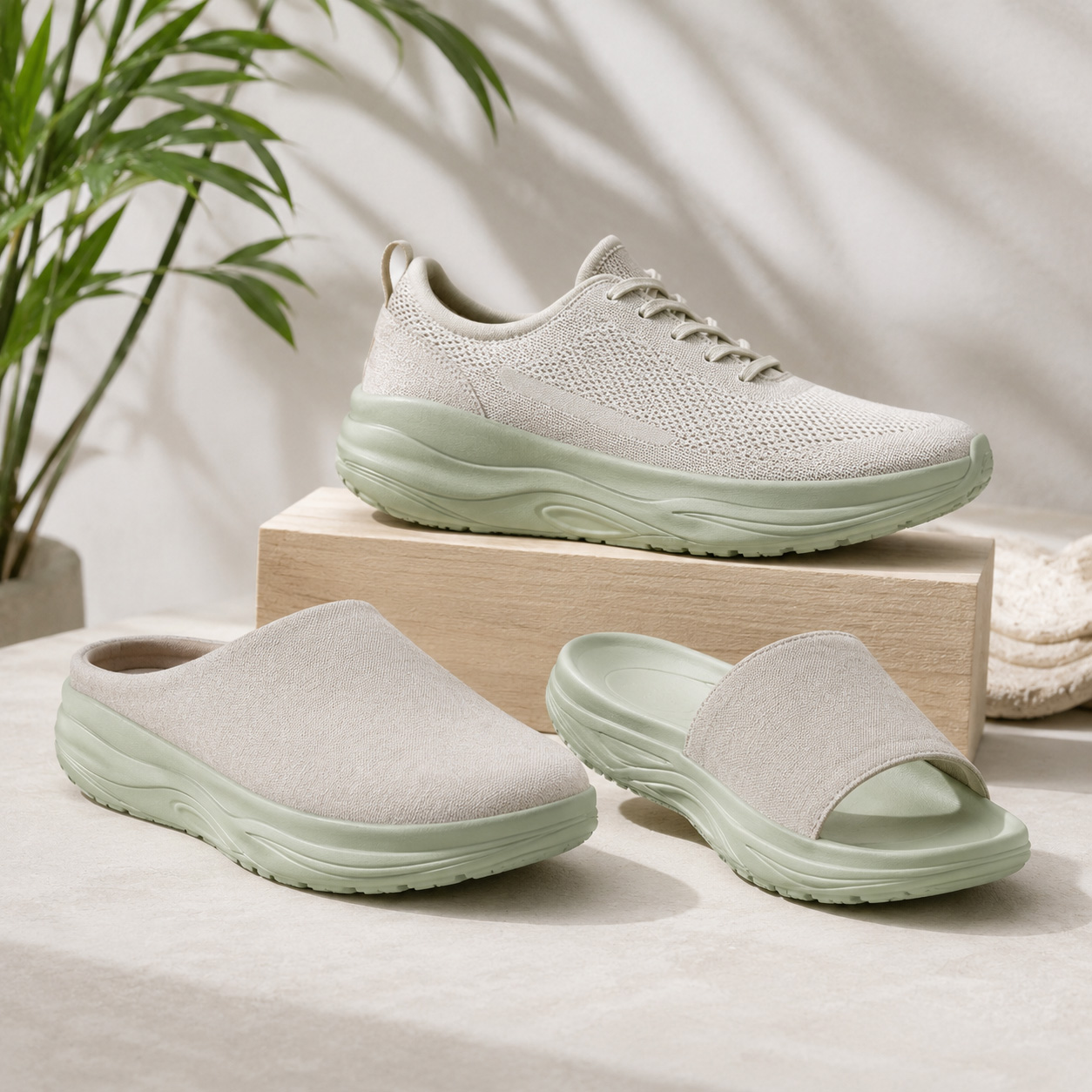
Widely applied in footwear manufacturing, it serves as midsole and integrally‑molded outsole for daily casual sneakers and running shoes, full‑sole material for indoor‑outdoor EVA slides and flip‑flops, and lightweight outsole for safety shoes, fly‑knit slip‑ons and parent‑child children’s footwear. It also works as cushioning anti‑slip base material for lightweight wading and beach shoes, cushioning layers for insoles, reinforcing foam for toe‑box and heel shaping, as well as high‑resilience base for trendy chunky dad shoes and indoor yoga training footwear.
To address the growing challenges facing the ASEAN footwear supply chain, including rising pressure to reduce dependence on petroleum-based materials, increasing demand for lower-carbon alternatives, and the need for lighter footwear components, Our Ultra-Light Sugarcane-Based Bio-EVA Foam Sole Material will be presented at VFM 2026 Vietnam, taking place from October 14 to 17, 2026, at SECC in Ho Chi Minh City.
As one of the featured sustainable footwear materials at the Vietnam Footwear Machinery and Materials Exhibition in October 2026, this product is specially developed for manufacturers of sports shoes, casual footwear, slippers, sandals, and children’s shoes. It uses partially renewable sugarcane-based feedstock to replace a portion of conventional fossil-based raw materials while maintaining lightweight performance, softness, cushioning, and stable mass-production capability.
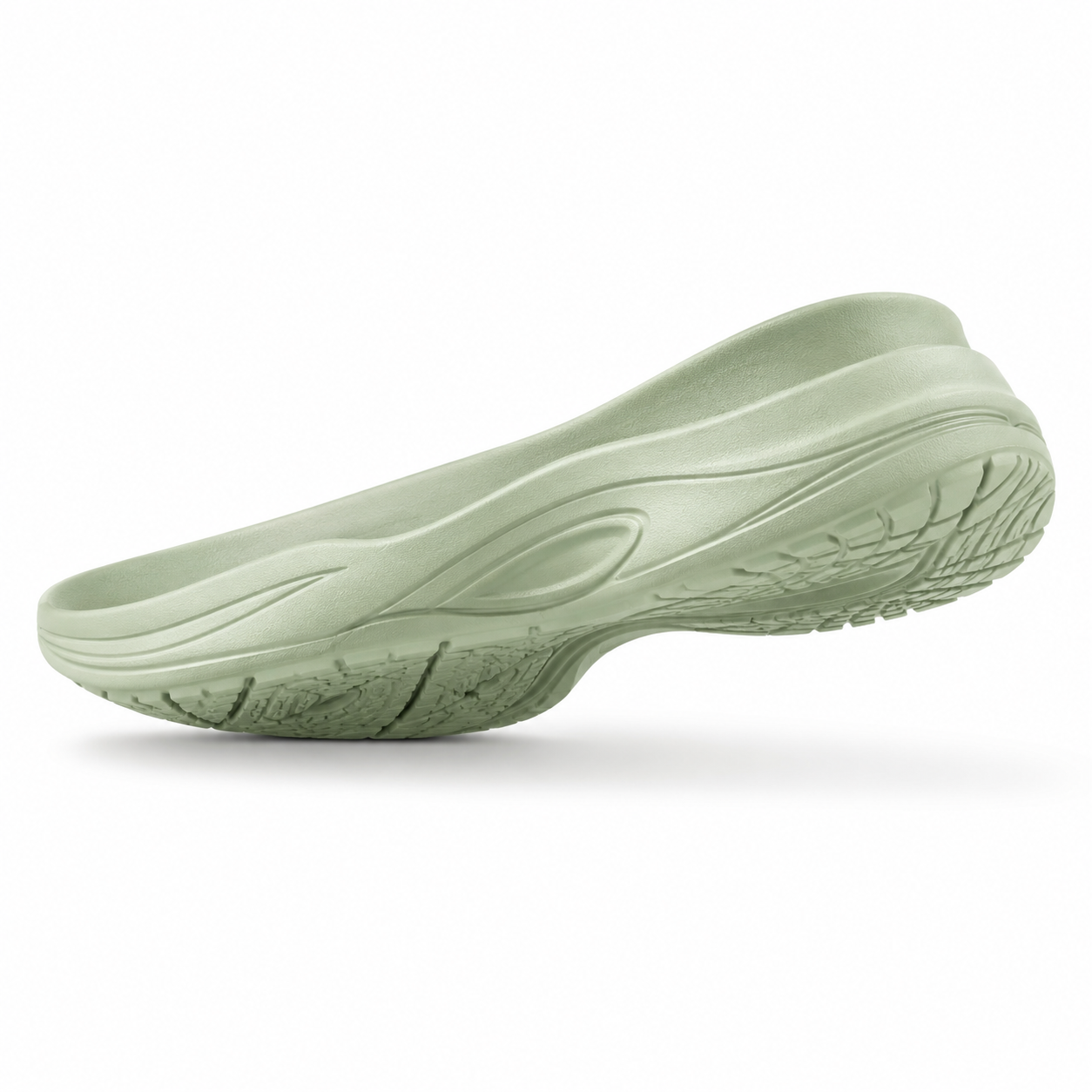
This Sugarcane-Based Bio-EVA Foam can be customized according to different footwear applications, including density, hardness, color, foaming ratio, and rebound performance. It is suitable for outsoles, midsoles, slipper soles, sandals, and one-piece molded foam components.
Compared with traditional high-density sole materials, ultra-light Bio-EVA can help reduce the overall weight of footwear and improve wearing comfort. At the same time, it supports footwear brands and manufacturers in reducing their reliance on conventional petroleum-based materials and responding to international buyers’ growing requirements for renewable materials, lower-carbon products, and ESG-compliant supply chains.
For buyers developing sustainable footwear collections, lightweight slippers, casual sports shoes, or low-carbon footwear projects, this material retains the major advantages of conventional EVA, including easy processing, flexible color customization, reliable cushioning, and broad application potential.
It can also be introduced into existing EVA foaming and sole-production systems with relatively low development barriers, helping manufacturers shorten product-development cycles and reduce the difficulty of adopting new sustainable materials. Its stable foaming performance and flexible formulation options make it especially suitable for Southeast Asian footwear factories handling volume production and customized brand orders.
As a featured sustainable material at the VFM 2026 exhibition at SECC in Ho Chi Minh City, we will display Bio-EVA samples in different densities, hardness levels, colors, and footwear applications. We will also provide formulation matching, sample testing, customized development, and mass-production support for qualified buyers.
Global footwear brands, sole manufacturers, slipper factories, sports-shoe suppliers, and sustainable-material buyers are warmly invited to visit us at VFM 2026 Vietnam and evaluate this new generation of Bio-EVA sole material combining ultra-lightweight performance, cushioning comfort, renewable feedstock, and lower-carbon value.