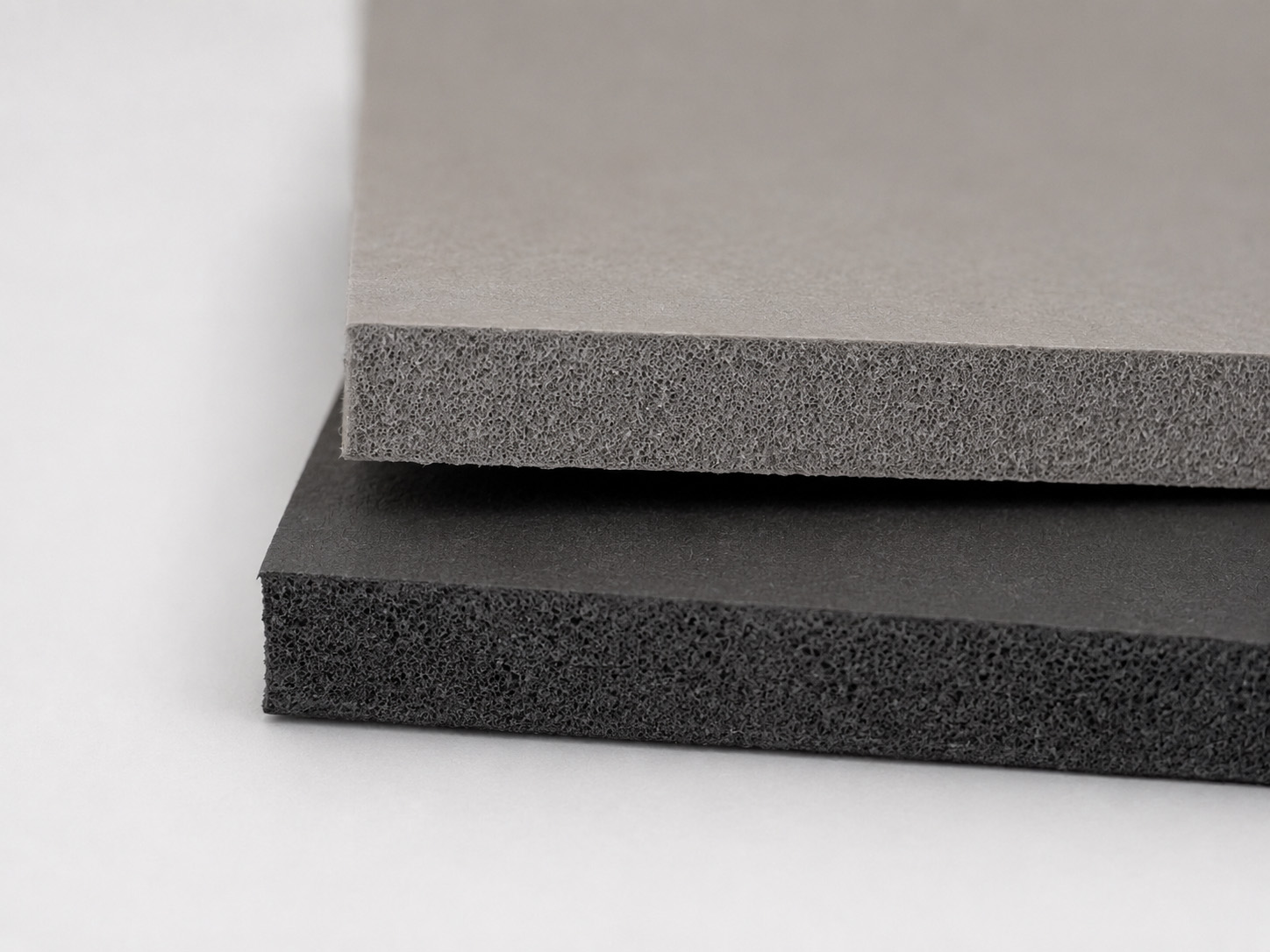
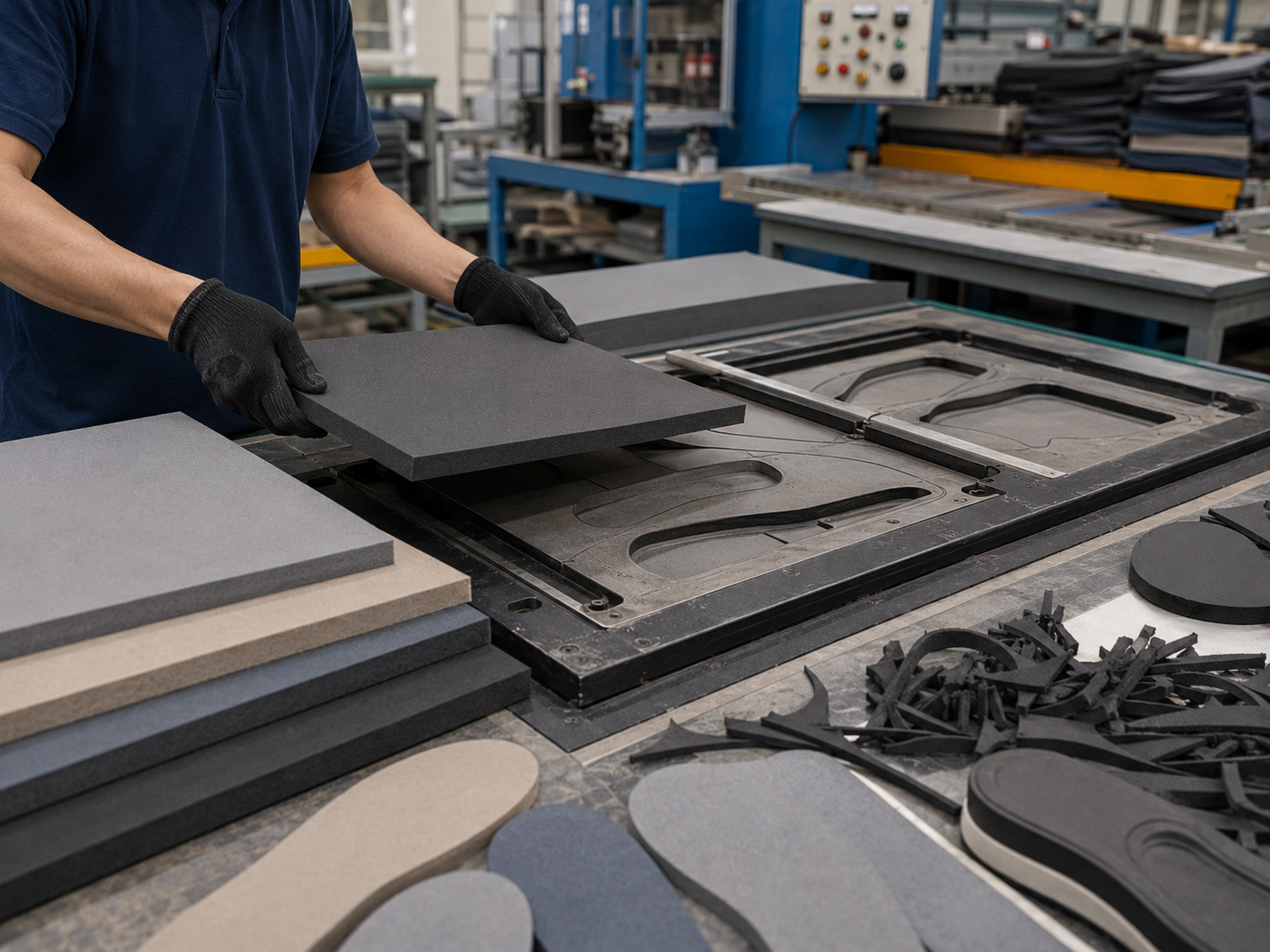
Closed Cell Foamed Rubber Sheet, Microcellular Foam Rubber Slab For Shoe Insole, Casual Shoe Midsole, Die Cutting Raw Material
Booth| Model Number | RUB-FOAM-S |
| Brand | GISMA Guangzhou |
| Net Weight | 3.8 kg |
Closed Cell Foamed Rubber Sheet, Microcellular Foam Rubber Slab For Shoe Insole, Casual Shoe Midsole, Die Cutting Raw Material
Model: RUB-FOAM-S
| Specification | Parameter Details |
|---|---|
| Raw Material | Closed cell microcellular foamed rubber slab |
| Standard Sheet Size | 1000×2000mm, customizable dimensions |
| Thickness Range | 2mm~15mm full customizable |
| Density Options | 0.35~0.70 g/cm³ adjustable |
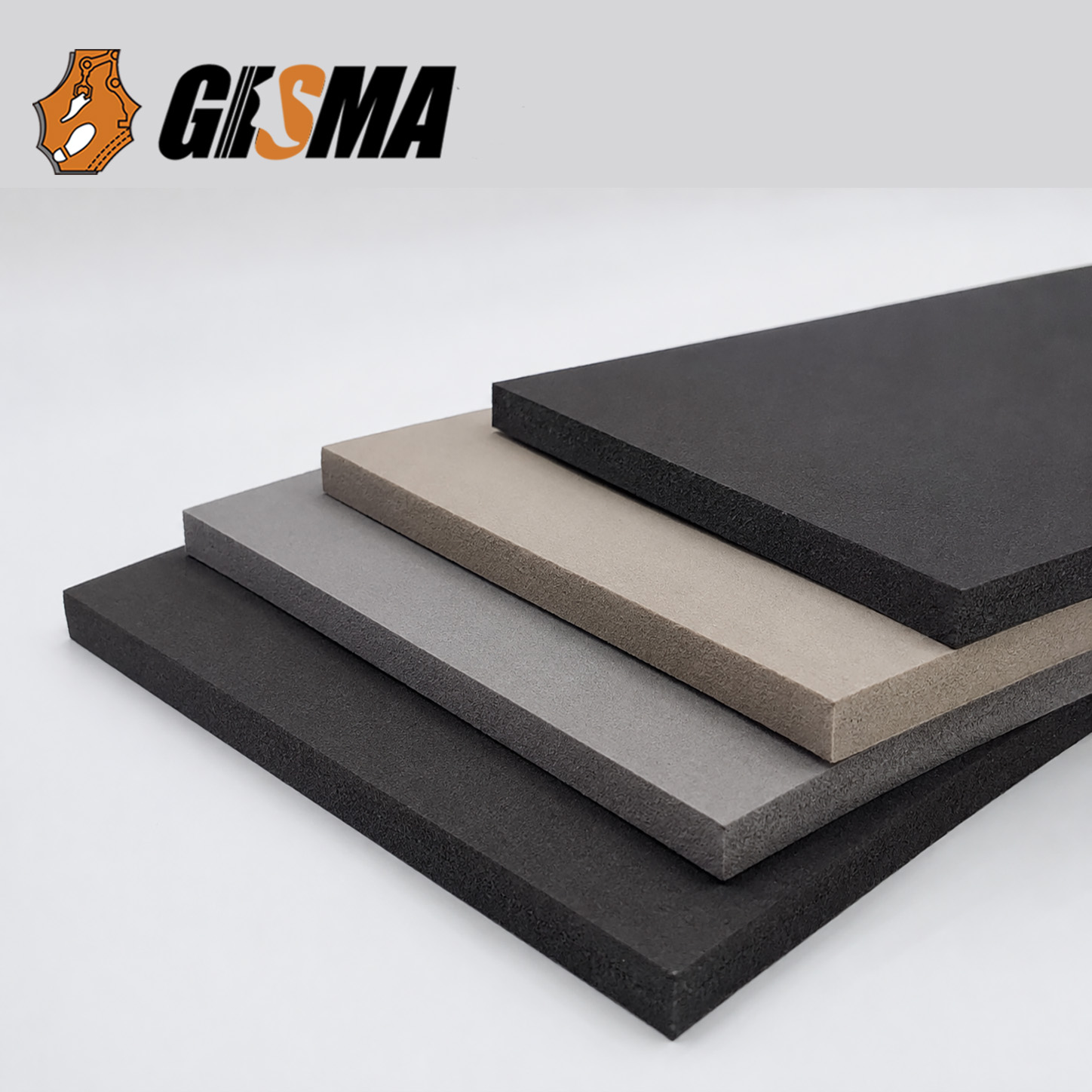
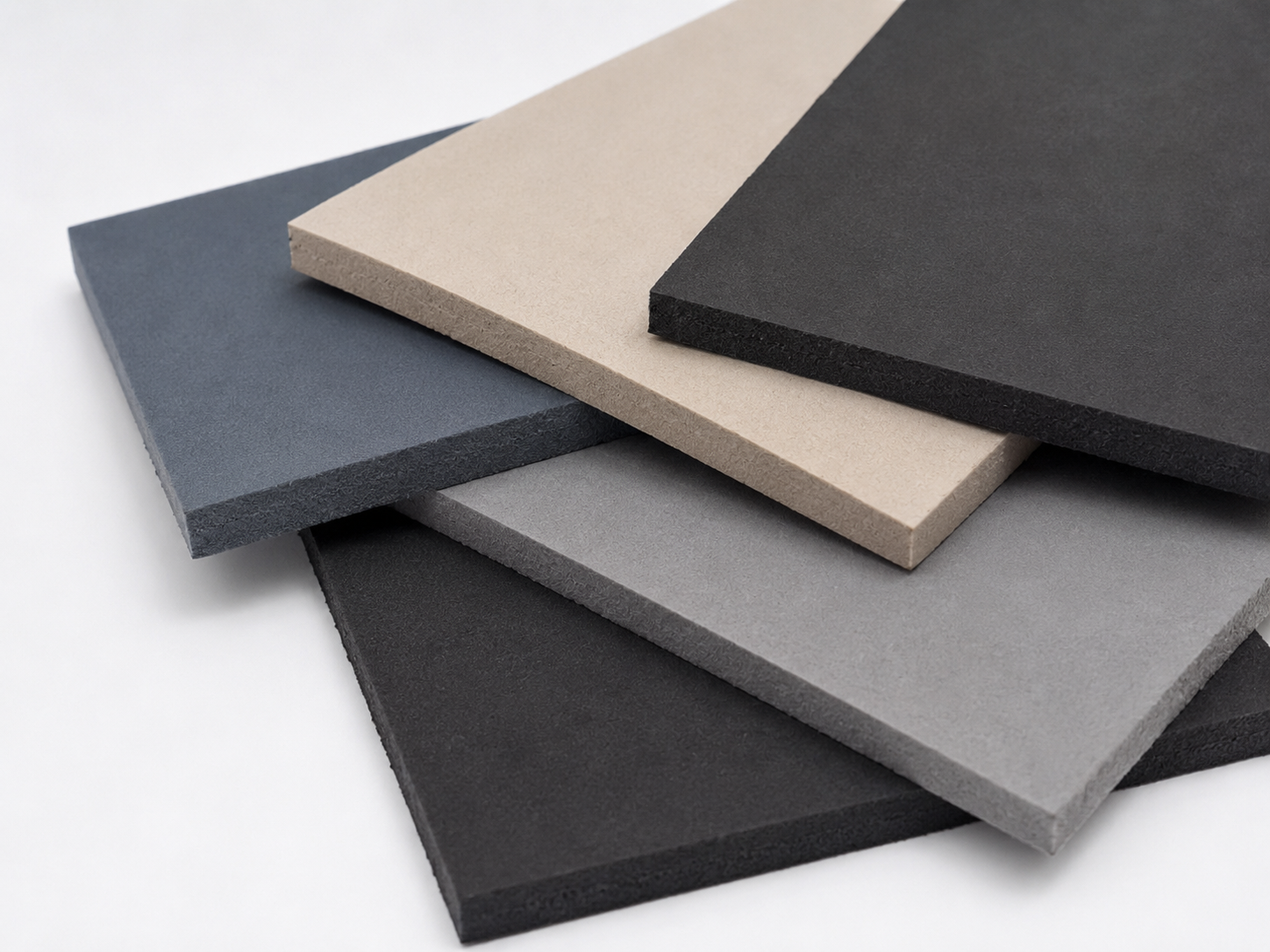
| Conventional Colors | Black, light gray, dark gray, beige (custom color available) |
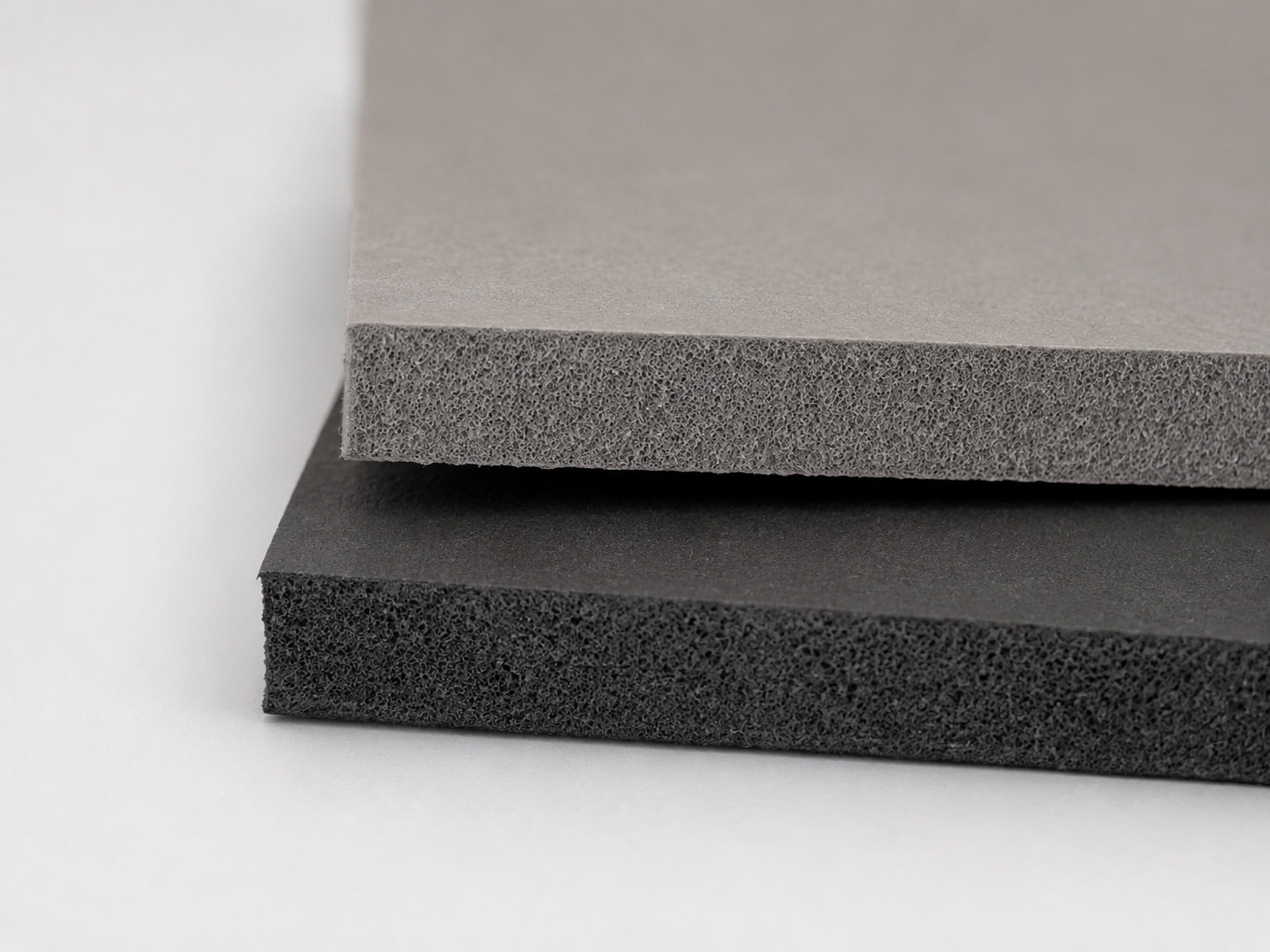
| Cell Structure | Uniform micro closed-cell structure, low water absorption |
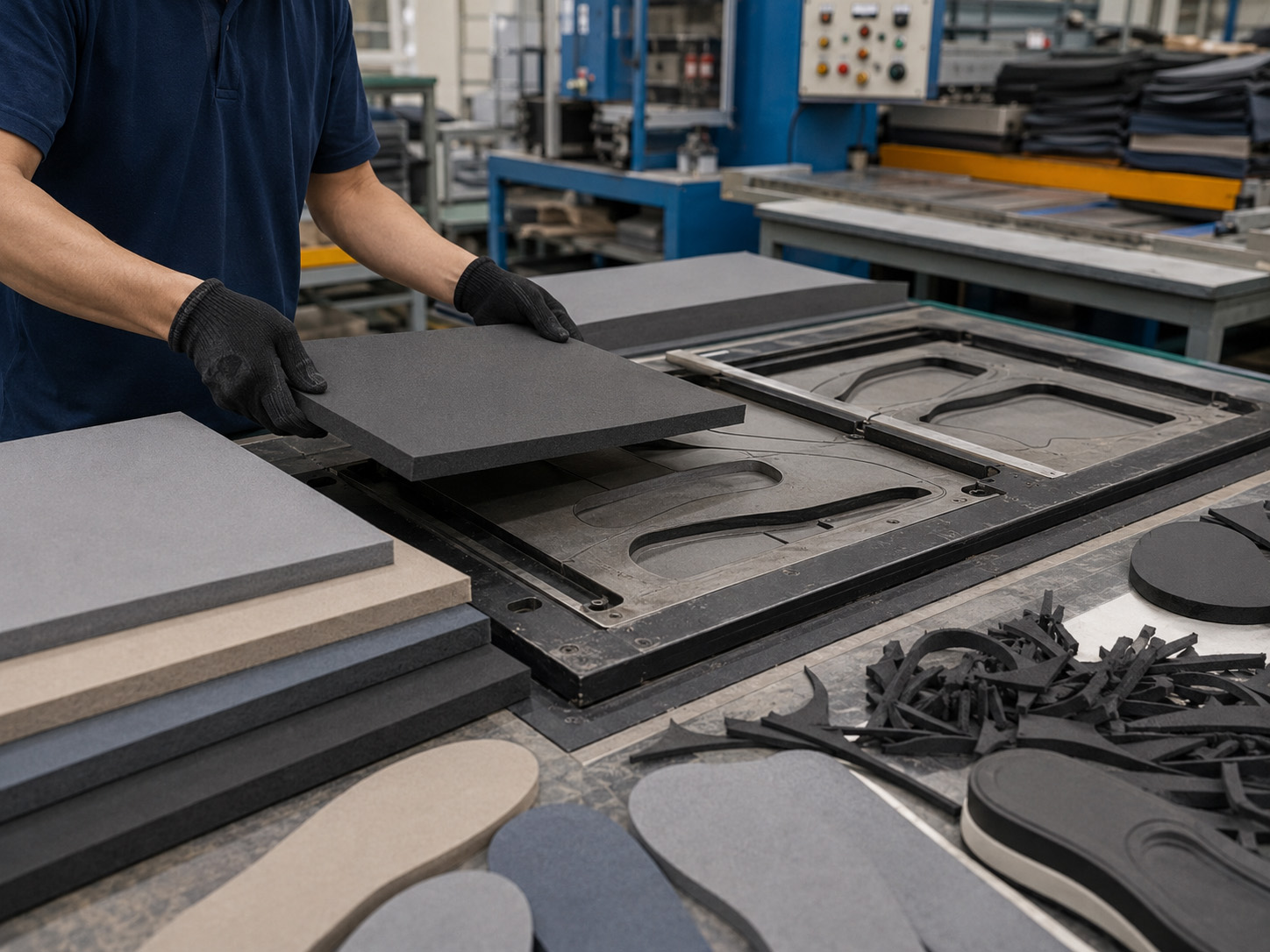
| Processing Compatibility | Hydraulic die cutting, surface grinding, hot pressing, adhesive lamination |
| Single Sheet Weight (5mm,1000×2000mm) | 3.8 KG |
| Quantity Per Export Carton | 12 sheets |
| Carton Dimension (L×W×H) | 2040×1040×110 mm |
| Carton Net Weight | 45.6 KG |
| Carton Gross Weight | 51.2 KG |
Closed Cell Foamed Rubber Sheet
This closed-cell microcellular foamed rubber sheet features evenly distributed micro closed-cell structure with low water absorption and excellent sweat & moisture resistance, resisting swelling and deformation upon exposure to moisture. Balanced elasticity and compression resistance deliver stable cushioning performance with low compression set after prolonged repeated compression. It also boasts outstanding wear resistance and anti-slip properties, making it an ideal base material for casual shoe insoles and lightweight midsoles. The sheet has smooth, fine surface; neat and clean edges are obtained after die cutting with minimal debris generated during processing, effectively cutting workshop waste and optimizing production environment.
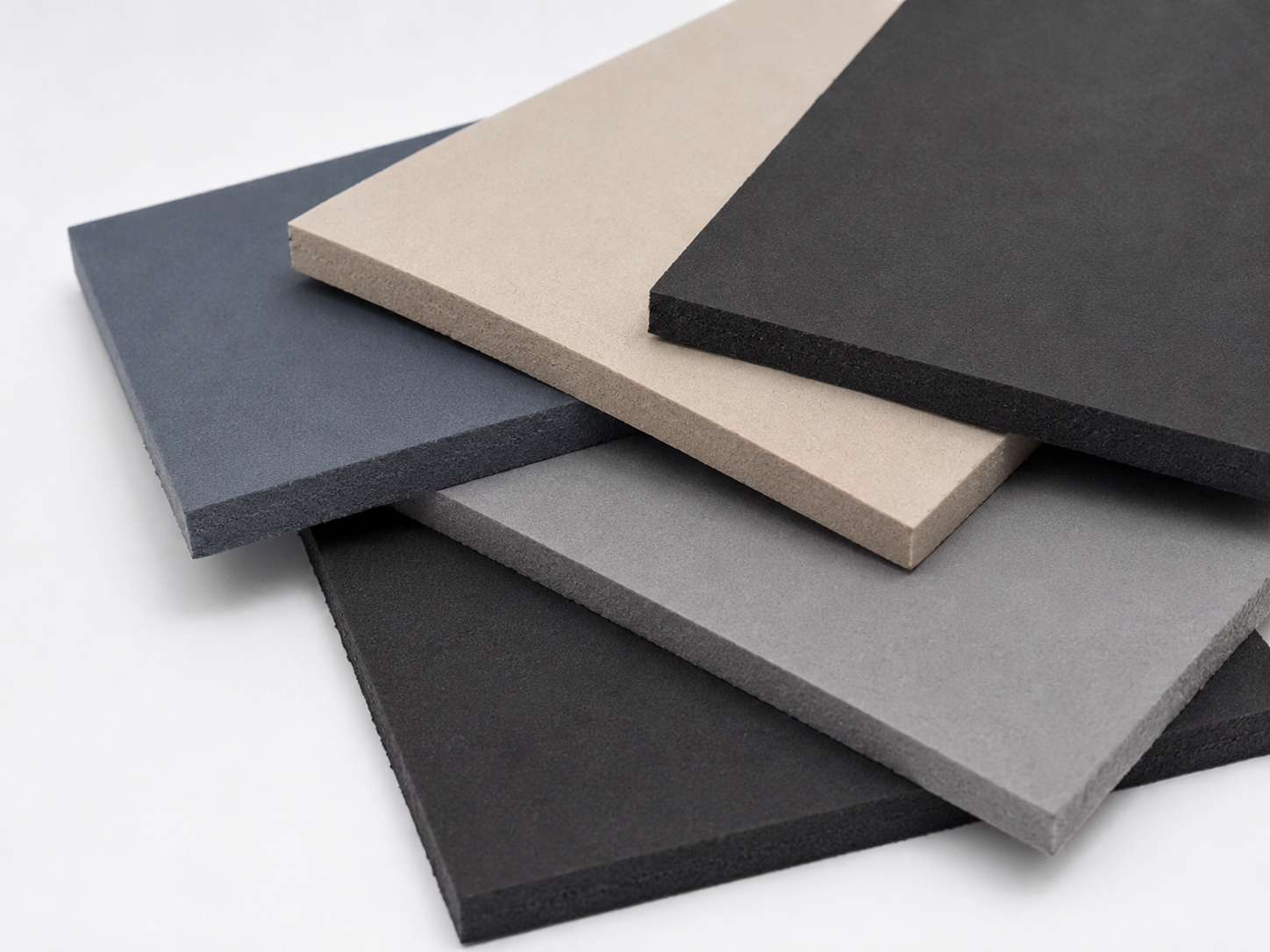
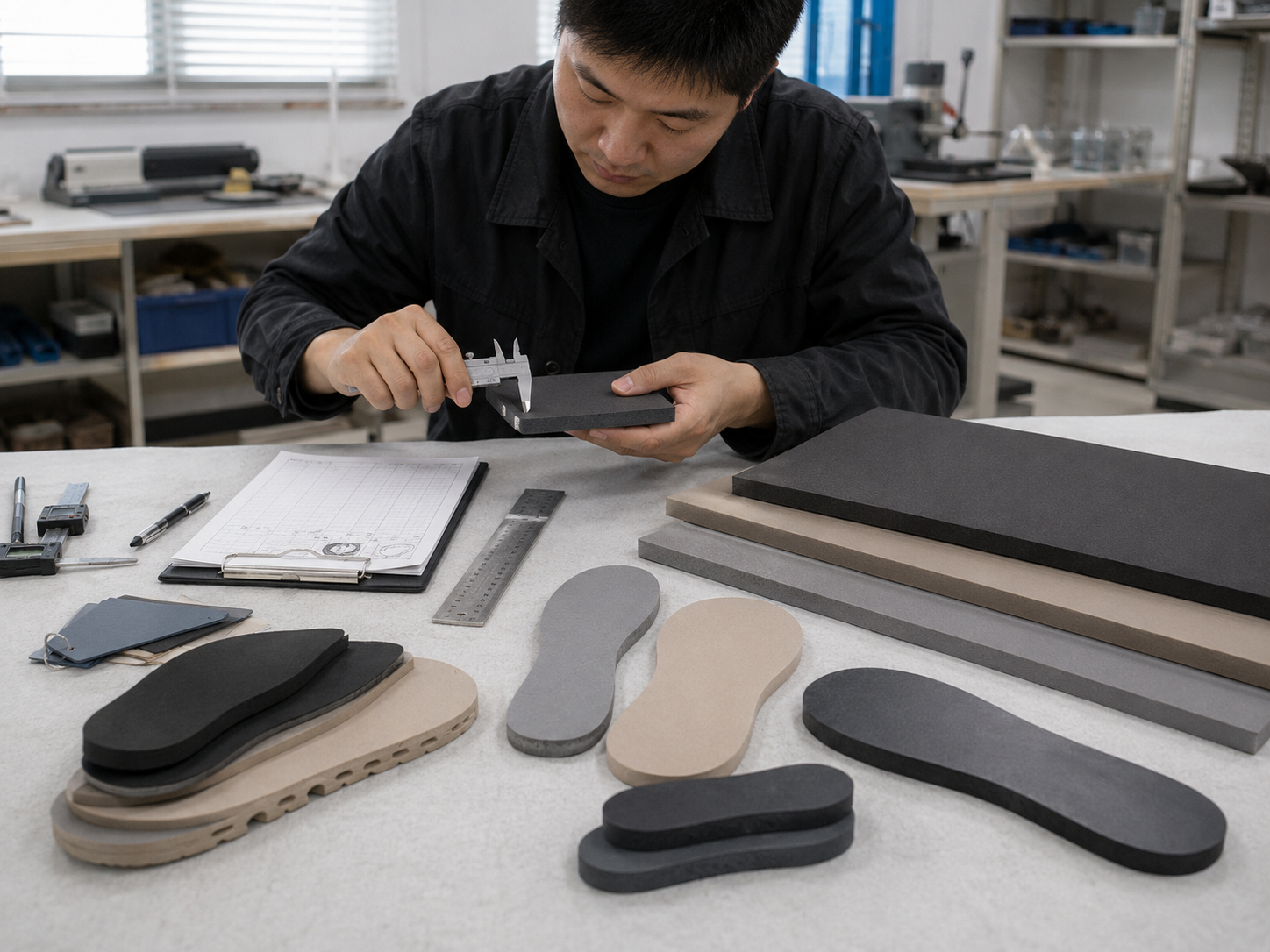
It shows superior bonding compatibility and can firmly adhere to various mainstream footwear materials including textile fabrics, microfiber leather and PU synthetic leather. Custom thickness, density and color options are available to satisfy both lightweight insole production and lightweight midsole development requirements. Formulated with low odor, it features prominent weather resistance and anti-aging performance, resisting hardening and embrittlement after long-term wear. The sheet maintains flat surface and consistent thickness across the whole slab, facilitating layout blanking and large-scale mass production.Dedicated raw material for shoe material processing plants and casual footwear manufacturers, this closed-cell microcellular foamed rubber sheet can be widely die-cut into finished insoles, lightweight casual shoe midsoles, slipper cushion pads and inner shoe buffer linings. It is also applicable for luggage shock-absorbing lining, craft backing materials and various cushioning components requiring moderate elasticity.
For standardized processing: lay rubber sheets flat on the cutting platform and rest for 10 minutes to fully release internal stress before marking, layout and die cutting. Adjust cutting pressure of hydraulic clicker press properly according to sheet thickness to guarantee smooth, burr-free cut edges. Conduct sample adhesion tests to confirm suitable adhesive types and process parameters before glue bonding or hot melt lamination. Avoid excessive stretching during handling to prevent uneven thickness. Cover unused sheets with protective film promptly to isolate dust contamination.
For warehouse storage: place rubber sheets horizontally on racks inside cool, dry and ventilated warehouses. Keep away from heat sources, direct sunlight, grease and corrosive solvents to prevent material aging and hardening. Do not stack overweight cargo on sheets to avoid permanent indentation. Wrap leftover sheets with protective film against dust and moisture.
Implement regular workshop maintenance regulations: inspect sheet flatness before daily cutting operations and promptly clear foam residues on workbenches. Conduct weekly random sampling inspection on elasticity and thickness uniformity to ensure stable batch quality. Prevent prolonged direct contact between sheets and high-temperature hot platens without isolation protection to avoid surface melting damage. Rubber scraps generated during cutting can be collected centrally for recycling to support low-carbon sustainable manufacturing.